Used scooter: what to check before you buy
How to choose a used scooter (Vespa, Honda SH, Beverly): paperwork and frame number, belt and variator, test ride, transfer costs and price negotiation.
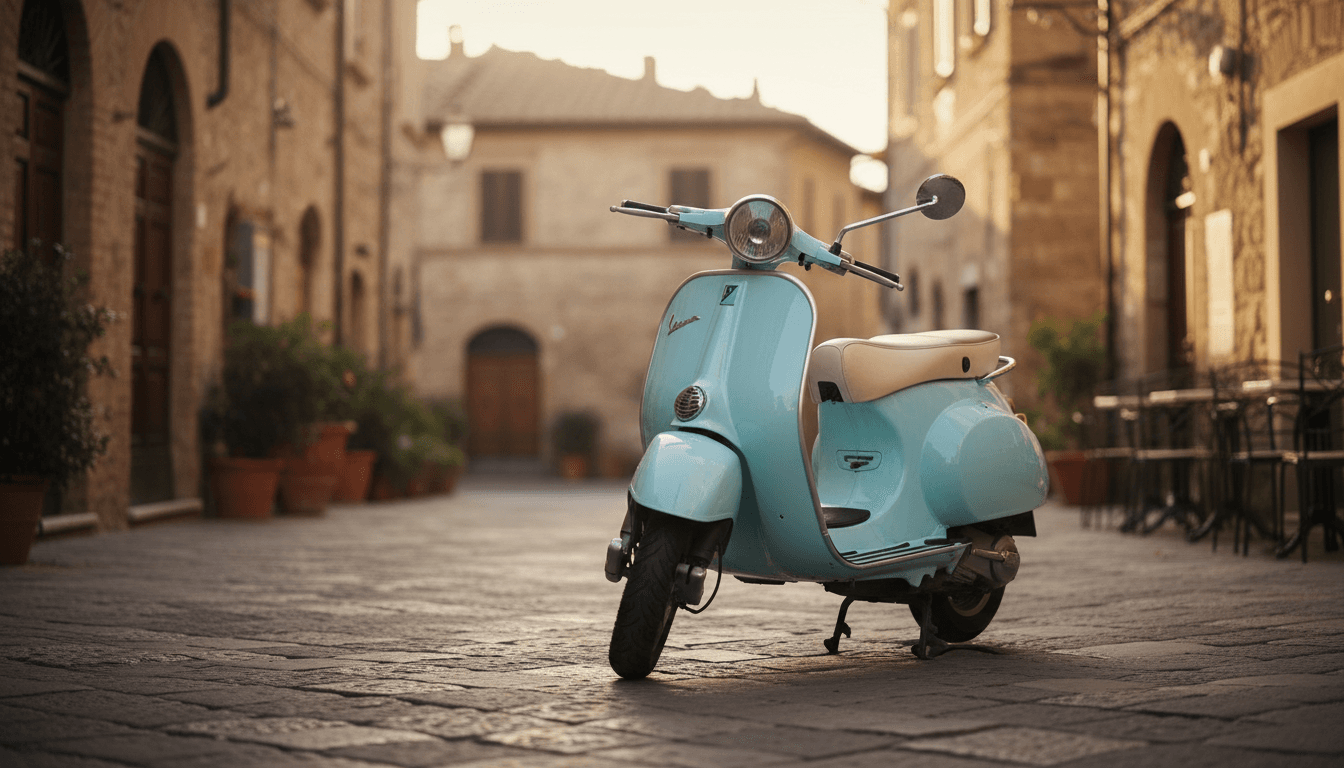
A used scooter is the sensible choice for city riders who want to spend little: a Honda SH, a Vespa GTS or a Piaggio Beverly holds its value and is easy to resell. That is also why the market is full of badly treated examples, with altered mileage or murky paperwork. This guide tells you what to check, in what order, and how much the ownership transfer weighs, so you arrive at the negotiation with a clear head.
1. Start with the paperwork, not the bodywork
Before looking at the scooter, look at the papers. Ask for the ownership certificate or the Documento Unico and the seller's ID: the registered owner must match the person selling. With the plate you can order a PRA search (a few euros online) to check for administrative liens or mortgages, and verify mileage recorded at inspections through the Portale dell'Automobilista, where the service is free.
Then compare the chassis number stamped on the vehicle with the one on the documents: they must be identical. On Vespas, for example, the number is stamped on the body shell. If the numbers differ, or the stamping looks tampered with, walk away.
2. Mileage and service history
A scooter with 15,000 km and a filled-in service book is worth more than one with 8,000 declared km and no proof. Ask for workshop invoices and receipts. Big-wheel scooters like the SH remain very reliable with tens of thousands of kilometres, as long as oil, filter and transmission have been looked after. Be wary of sellers who cannot remember where they had it serviced.
3. Transmission: belt, rollers and variator
The heart of an automatic scooter is the CVT variator with its belt. In city use, with constant starts and stops, the transmission wears faster. A belt can look intact yet be worn in width, so check thickness, width, cracks, side marks and dust inside the casing. If you feel vibrations or jerks when pulling away, belt, rollers, variator and clutch probably need work together. The right replacement interval is the one in the owner's manual for that specific version.
In negotiation: if the belt has not been changed for a long time, factor it into the price. It is normal maintenance, but not free.
4. Engine, starting and smoke
Ask to see a cold start: it should fire without insisting. Check exhaust smoke colour, idle stability and any metallic noises. Look for oil leaks around the engine and transmission. On two-stroke models such as old Vespa PX, check the oil mixer and compression. Rust on the exhaust is a known weak point on some models.
5. Frame, forks and suspension
Look for signs of a fall: bent levers, replaced mirrors, panels with mismatched screws or cracks, handlebars not perfectly aligned. With the scooter stationary, check the fork does not leak oil and the shocks are not soft. On the test ride, at moderate speed, it should track straight without wandering.
6. Brakes, tyres and electrics
Check pad thickness, disc condition and that the brake lever has a regular travel. Aged tyres (check the DOT code) should be replaced even if the tread is fine. Test lights, indicators, brake light and horn, and check the battery holds charge: a new battery is a small expense, but a weak one signals neglect.
7. The test ride
Ride for at least 15 minutes, with starts, braking and a faster stretch. Listen for vibrations, transmission noise, hot-start trouble and a stand that does not retract. If the seller refuses a test ride, that is a red flag.
8. What the ownership transfer costs
For a plated scooter the transfer works as for a motorcycle: authenticated bill of sale, PRA registration and an updated registration document. Industry guides put the DIY total at around 100 euros, made up of stamp duty, ACI fees and registry rights, while agencies and counters cost more for the service. Mopeds are cheaper. Late registration brings penalties, so do not delay. You cannot activate a new insurance policy until the transfer is complete.
On road tax, if the transfer takes place before the due date the new owner handles it; otherwise the due payment stays with the previous owner. Always confirm figures with ACI or the agency.
9. Negotiating the price
Put everything you found on the table: belt, tyres, brakes, battery. Each item has an estimable cost, and a concrete list works far better than a vague too expensive. Compare with similar listings by model, year and mileage, and set a ceiling before you meet the seller. If you can, have a trusted mechanic look at the scooter: it is the best money spent in the whole process.
Quick checklist
- Matching documents and owner, clean PRA search.
- Chassis number identical to the papers.
- Service book and workshop invoices.
- Belt, rollers and variator in good condition.
- No signs of falls, suspension working regularly.
- Brakes, tyres and lights in order, test ride done.
- Transfer costs and insurance budgeted.
With this method you pick a used scooter without nasty surprises. If you are looking for a Vespa, SH or Beverly, you can browse listings on VendiVoce and compare models and prices.
Further reading
- [1] QuotidianoMotori, Comprare una Vespa usata
- [2] FMS2, Cinghia Honda SH 125 150
- [3] Insella, Prima di comprare un Honda SH 300 usato
- [4] QuotidianoMotori, Passaggio di proprietà moto e scooter 2026
Further reading
- Comprare una Vespa usata: guida pratica per non sbagliare — QuotidianoMotori
- Cinghia Honda SH 125/150: ogni quanto cambiarla e quali sintomi controllare — FMS2
- Prima di comprare un Honda SH 300 usato: pregi, difetti, cosa controllare — Insella
- Passaggio di proprietà di moto e scooter: cosa cambia nel 2026 — QuotidianoMotori
Related articles
Electric 125 scooter in Italy: licence, costs, worth it?
B or A1 licence, purchase price, annual costs of a petrol 125 and a worked example of charging and break-even: when an electric 125 scooter really pays off.
Used motorcycle: what to check before you buy
A complete checklist for buying a used motorcycle in Italy: PRA lien check, frame number, crash signs, test ride, inspection and ownership transfer costs.