Used electric car: what to check before you buy
Battery state of health, remaining warranty, degradation and cables: the checklist to buy a used EV without surprises.
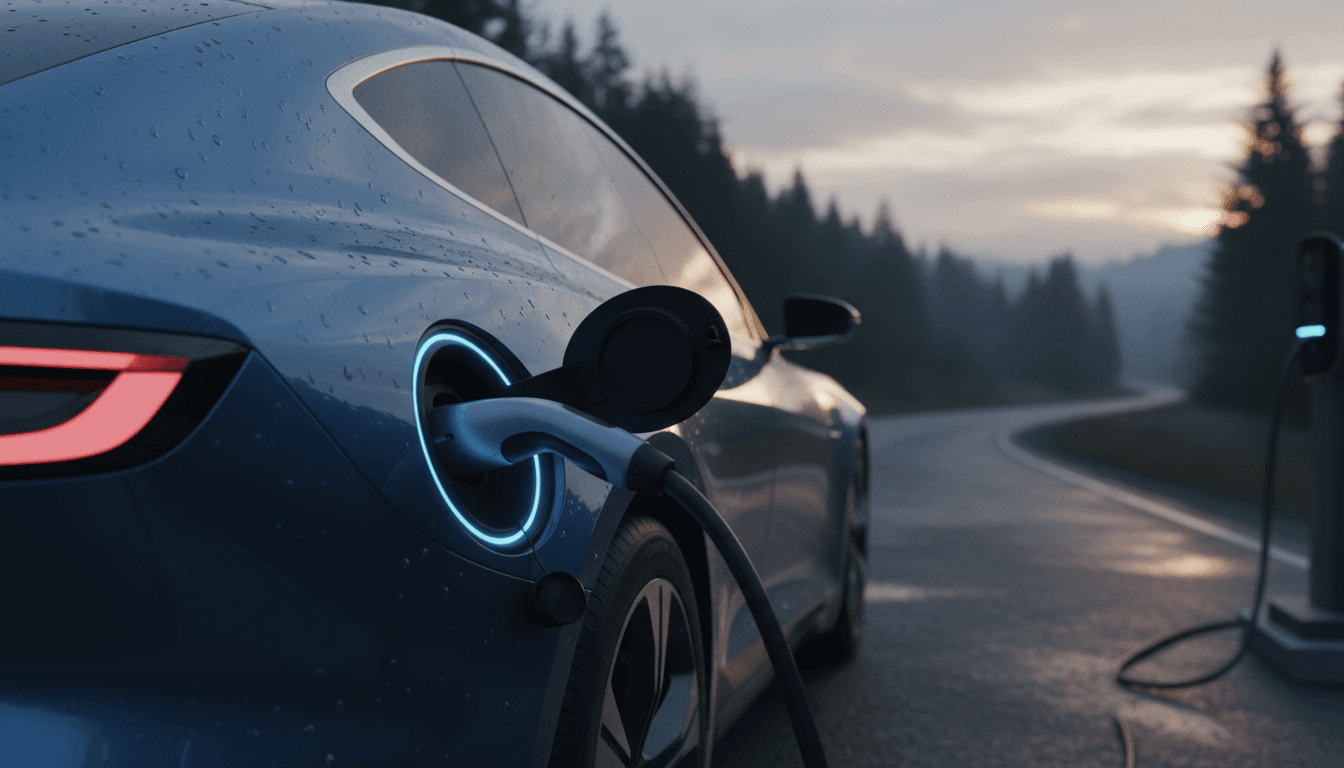
Buying a used electric car can be a great deal: used prices are falling and many recent models still pack plenty of technology. But an EV is not judged like a petrol car. Here are the checks that genuinely matter before you sign, so you do not end up with nasty surprises.
Battery state of health (SOH)
The battery is the heart, and the most expensive component, of an EV. The figure to check is called SOH, State of Health, expressed as the percentage of original capacity remaining. An SOH of 90% means the battery holds 90% of its capacity when new. Below 85% on a car only a few years old is a warning sign. Many makers show the figure in the on-board menu or via an app; if the seller cannot provide it, ask for a workshop diagnosis before buying.
Remaining battery warranty
Almost every maker warranties the battery separately from the rest of the car: they typically guarantee a minimum capacity, often 70%, for eight years or 160,000 km. It is the single most important protection for a used buyer, because it covers the very component that is most expensive to replace. Check how many years and kilometres of warranty remain: two identical cars can be worth very differently for this reason alone.
Real range and degradation
Quoted new-car range is always optimistic, and on a used car it should be read with even more caution. Battery degradation is normal and gradual, but it depends heavily on how the car was used and charged. A car mostly charged slowly on AC and kept between 20% and 80% ages better than one constantly hammered on ultra-rapid chargers. Ask for the usage history and do a realistic calculation of the range you actually need.
Cables, charger and compatibility
An often-forgotten detail: check the car comes with the correct charging cables, both the one for a domestic socket and the one for public chargers. They are expensive accessories to buy again. Also check the maximum charging power the car supports, on both DC and AC, because it determines how long you will spend plugged in on longer trips.
History, servicing and software
Even with fewer mechanical parts, an EV still needs maintenance: brakes, tyres, battery coolant, filters. Check that services have been done and recorded. Also verify the on-board software is up to date: many makers release updates that improve range, charging and features, and a car left behind can behave worse than it should.
The electric test drive
During the drive, beyond the usual checks, pay attention to regenerative braking: it should be smooth and adjustable. Confirm charging starts correctly by plugging the car into a charger if possible, and check that all battery functions — preconditioning, charge management — respond. An odd noise from the cooling pump or recurring error messages are signals not to ignore.
The right price and depreciation
Used EVs have depreciated more sharply than petrol cars in recent years, driven by falling new-car prices and fast-moving technology. For you as a buyer that is often an advantage: you can take home a recent car at a fraction of its list price. But compare several listings of the same model and year, because the spread is wide and depends heavily on battery condition and equipment. A price far below the average deserves scrutiny: it often hides a low SOH, a warranty that has already expired, or an undeclared past accident.
Watch for updates and subscriptions
Some features on modern EVs are tied to subscriptions or the first owner's account: connected navigation, advanced driver assistance, functions activated for a fee, sometimes even part of the range unlockable via software. Before buying, check what stays included after the transfer and what will need renewing or reactivating at your expense. On tech-heavy cars this detail can noticeably change daily use and the real value of the deal.
In short
A used electric car bought sensibly is a smart purchase, but the golden rule is one: the battery above all. Get the SOH, check the remaining warranty, weigh how it was charged and make sure cables and software are in order. With these checks, a used EV becomes an opportunity rather than a gamble.
Further reading
Related articles

600kW Chargers: What It Means for a Used EV
Electra is bringing 600 kW charging to the A4 and A10 motorways by 2027. But fast charging stresses batteries, here is what to actually check before buying a used EV.
Charging an EV at Night: How Much You Really Save
With September 2026 prices in hand: home charging in the F2/F3 time bands can save up to 826 euros a year versus petrol. But without a parking spot for a wallbox, the math changes completely.