Solid-State Batteries by 2027: Why Even CATL Is Tempering the Hype (And What It Means If You're Buying a Used EV Right Now)
CATL has confirmed to investors its target of pilot solid-state battery production by 2027, while warning that mass adoption remains years away, not before 2030. Here is what that actually changes, today, for anyone buying or selling a used EV in Italy.
What CATL actually said
On August 11, 2026, CATL, the world's largest maker of electric vehicle batteries, confirmed to investors its target of starting pilot production of fully solid-state cells by 2027 [1]. This is not a brand-new claim; the Chinese company has repeated it for months, but confirming it just five months before 2027 begins signals the programme is still on track despite well-known technical hurdles [2].
CATL's chief scientist, Wu Kai, has explained the goal as reaching level 7-8 on a nine-point technology readiness scale (TRL) by 2027: a milestone that would allow small-batch production and real-world validation, not yet mass manufacturing [3]. Today, by the company's own account, the technology sits at level 4, meaning it is still in lab-scale validation.
From liquid to solid: what actually changes
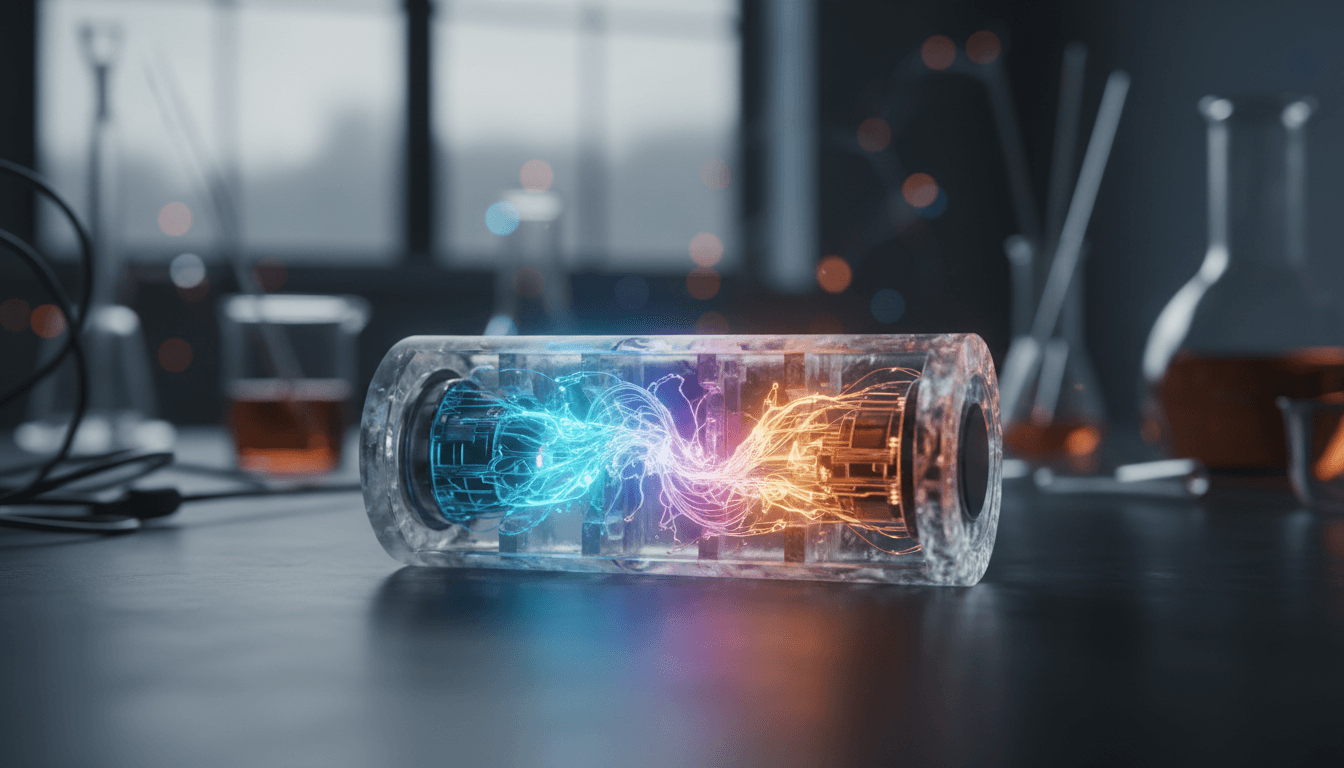
Solid-state batteries replace the flammable liquid electrolyte with a solid material, ceramic, polymer, or sulfide-based, promising higher energy density, faster charging and lower thermal risk. CATL's prototypes already reach around 500 Wh/kg, roughly 40 percent above today's lithium-ion cells [4]. On paper that means either more range at the same weight, or lighter, more compact packs for the same range.
BYD is chasing the same milestone
CATL is not running this race alone. BYD, the world's largest EV maker, is also targeting small-scale production of dual-electrolyte cells by 2027, having filed six new patents in recent months aimed squarely at one of solid-state's oldest weaknesses: unstable contact between the electrolyte and the electrodes [5]. Between them, the two companies control roughly half of the global EV battery market, so their solid-state race will likely set the real timeline for when this technology reaches the road, far more than any single automaker's marketing promises [6].
Why mass production still won't arrive before 2030
Here is the part sensational headlines usually leave out: CATL itself is urging caution. CEO Robin Zeng has said technical and manufacturing challenges will keep solid-state batteries away from mass adoption until at least 2030 [2][3]. Large-scale, cost-effective production would require the ability to build cells for at least a million vehicles a year, a level nobody expects to reach before that date. The first commercial batches, moreover, will be reserved for premium platforms priced above roughly 250,000 yuan, about 37,000 dollars, hardly the segment of cars bought and sold every day on Italy's used market.
The real effect on Italy's used-EV market, right now
While the trade press debates solid-state chemistry, Italy's used electric car market is already facing a far more concrete problem. According to an alarm raised by fleet association Aniasa on August 7, 2026, residual values of electric vehicles coming off corporate fleets have dropped by an average of 18 percent over the past year [7]. The main drivers have nothing to do with solid-state, which remains years from market, and everything to do with the rapid evolution of current battery tech, longer range, faster charging, new platforms, that makes cars registered just two or three years ago less appealing, compounded by the lack of a shared standard for certifying battery State of Health, or SoH.
Here is the key point for anyone reading a solid-state 2027 headline and wondering if it affects their next purchase: it does not. When solid-state genuinely reaches mass volumes, it will start with high-end premium models, not overnight reshape the value of a three-year-old electric hatchback listed for sale today.
The real problem isn't the chemistry, it's SoH transparency
The concrete risk for anyone buying or selling a used EV in Italy in 2026 is not that a better technology will arrive in twelve months, that happens in every industry, all the time, but that there is still no standardized, verifiable way to know what the battery you're paying for is actually worth. An SoH above 85-90 percent is generally considered good on a car that is two to four years old with 50,000 to 80,000 km on the clock; below that threshold, the price should drop proportionally, not stay anchored to a new car's list price.
What to actually do if you're buying or selling a used EV
Anyone weighing a purchase should not wait for solid-state: 2027 will bring pilot batches on premium vehicles, not the compact hatchback or city car sitting on today's used listings. What does make sense is insisting on a verified SoH report, not just the range estimate shown on the dashboard, which tends to be optimistic, checking how many years of battery warranty remain, typically eight years from first registration for the more serious manufacturers, and comparing the asking price against the 30-40 percent average discount the market currently applies to a well-kept two-to-four-year-old EV versus new.
Sellers, meanwhile, would do well to get SoH certified by an authorized centre before listing the car: in a market where trust in the battery matters as much as the spec sheet, a verifiable figure improves the odds of closing at the right price, instead of having to argue it away by pointing at battery news that, in practice, won't touch that car for at least another decade.
The bottom line
CATL and BYD's 2027 milestone is real technical progress, not just marketing: publicly reaffirming a specific technology target, TRL 7-8, pilot production, just five months before the deadline is a sign of seriousness. But the gap between a pilot batch and a shift in the used-car market is typically measured in years, not months. For anyone buying or selling a used EV in Italy in 2026, what matters today is not the chemistry of the future, but transparency about the current battery's actual health.
Further reading
- electrive.com, CATL targets 2027 start for solid-state battery pilot production, August 11, 2026
- CarNewsChina, CATL joins BYD in targeting 2027 solid-state battery trial production, August 10, 2026
- HDmotori.it, CATL corre sulle batterie allo stato solido, August 2026
- EVINDIA, CATL Solid-State Battery: 2027 Pilot and 500 Wh/kg Details, August 2026
- Automoto.it, BYD accelera sulle batterie allo stato solido: 6 nuovi brevetti, August 2026
- Greenmove (HWupgrade), CATL, nuovi piani per batterie allo stato solido: battaglia con BYD per il 2027, August 2026
- Fleetime.it, Auto elettriche usate: Aniasa lancia l'allarme valori residui, August 7, 2026
Further reading
- CATL targets 2027 start for solid-state battery pilot production — electrive.com
- CATL joins BYD in targeting 2027 solid-state battery trial production — CarNewsChina
- CATL corre sulle batterie allo stato solido. Produzione in piccoli lotti entro il 2027 — HDmotori.it
- CATL Solid-State Battery: 2027 Pilot & 500 Wh/kg Details — EVINDIA
- BYD accelera sulle batterie allo stato solido: 6 nuovi brevetti e produzione mirata al 2027 — Automoto.it
- CATL, nuovi piani per batterie allo stato solido: battaglia con BYD per il 2027 — Greenmove (HWupgrade)
- Auto elettriche usate: Aniasa lancia l'allarme valori residui — Fleetime.it
Related articles
600kW Chargers: What It Means for a Used EV
Electra is bringing 600 kW charging to the A4 and A10 motorways by 2027. But fast charging stresses batteries, here is what to actually check before buying a used EV.
Charging an EV at Night: How Much You Really Save
With September 2026 prices in hand: home charging in the F2/F3 time bands can save up to 826 euros a year versus petrol. But without a parking spot for a wallbox, the math changes completely.