Dacia Spring 2026: price, range, incentives
The new Dacia Spring grows in size, range and power while keeping its list price, but the ecobonus that made it a 6,900-euro deal ran dry months ago. Here is what it really costs today, and whether buying new or hunting a used one makes more sense.
No longer a repurposed emerging-market car
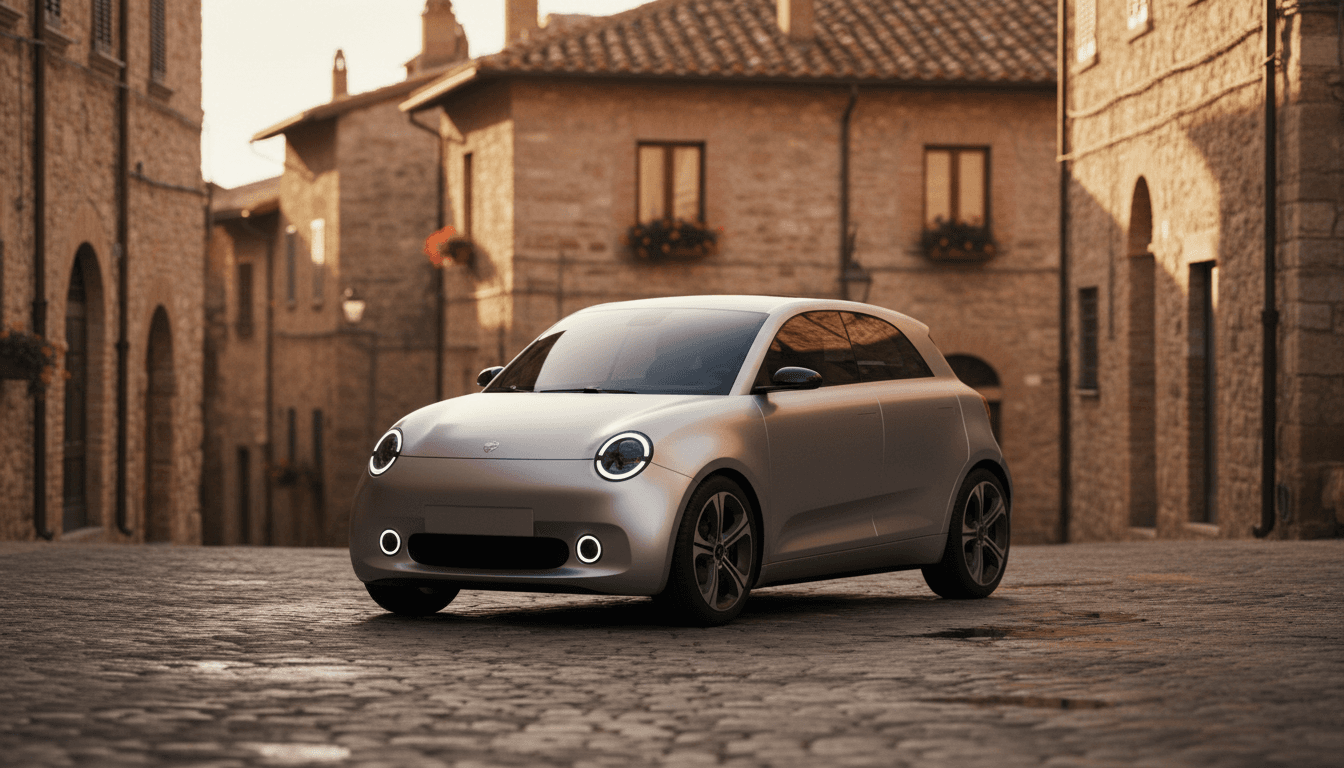
For years the Dacia Spring was, in substance, a car designed for the Chinese market and shipped to Europe with light tweaks. The new generation flips that script: it is developed in Europe from the ground up, shares its platform with the Renault Twingo E-Tech, and is built in Novo Mesto, Slovenia, rather than China. It is the clearest sign yet that Dacia is treating its cheapest electric model as a proper product rather than a stopgap.
The body grows: 18 cm wider and 15 cm longer than the outgoing car, with a boxier design, squared-off LED taillights and a less rounded nose. Weight stays contained at just over 1,200 kg, which shows up in the declared consumption of roughly 12.7 kWh per 100 km.
Battery and range: two sizes, one chemistry
The real technical shift sits under the floor. The Spring becomes the first Renault Group model to use LFP (lithium iron phosphate) cells, offered in two capacities: 24.3 kWh on the Expression trim, rated at 225 km WLTP, and 27.5 kWh on the Extreme, rated at 250 km WLTP. LFP chemistry is cheaper than the classic NMC pack and ages more gracefully, a detail that matters a lot to whoever buys this car used in five years.
Standard charging is a 6.6-7 kW AC port, taking about three hours twenty minutes from 20 to 80 percent, with a 40 kW DC fast-charging option available for 600 euros that cuts the same 20-80 percent charge to roughly 29 minutes. This is still not a car built for long motorway trips, but for anyone covering 30-40 km a day between home, work and town, real-world range is no longer the constraint it used to be on the old Spring.
Two motors, two trims
The lineup simplifies into two combinations. The Spring Expression pairs the smaller battery with a 70 hp (52 kW) motor, while the Spring Extreme steps up to 100 hp (75 kW) alongside the 27.5 kWh pack. Compared with the previous generation, which launched with just 45 hp, that power jump meaningfully changes how the car copes with ring roads and overtaking, a weak point that dogged reviews of the first Spring.
The Extreme adds copper-toned trim details, power rear windows, power mirrors and a 10-inch touchscreen with wireless Apple CarPlay and Android Auto. A 650-euro Techno pack lets Expression buyers add extra tech content without stepping up a trim.
What it actually costs today
List prices start at 17,900 euros for the Spring Expression 70 hp and rise to 19,700 euros for the Extreme 100 hp — figures that stay broadly in line with the outgoing model despite the car growing in every dimension and every spec sheet line. That is the literal point behind the headline the Italian trade press ran with: it grows in everything except price.
Here is the part many articles published earlier this year have not updated: those prices are, today, the full price.
The incentive that is no longer there
Through early 2026, headlines circulated about a 6,900-euro Spring, reached by stacking up to 11,000 euros of state ecobonus (for buyers with ISEE income under 30,000 euros scrapping a Euro 5 or older vehicle) on top of dealer discounts. That deal was real, but it drew on specific PNRR-linked funds that have since run dry. The Sogei-run portal held one last click day on 18 March 2026; the window stayed open only a few hours before funds ran out again, with more than 55,000 vouchers issued in total. The PNRR-linked bonus closed for good on 30 June 2026, and as of early September 2026 no reopening date has been announced.
In practice, anyone finding a Spring advertised at a few thousand euros today is reading a stale offer. The only state measures still active are conversion grants for LPG (400 euros) and methane (800 euros) retrofits on already-registered cars — nothing for buying new electric. For now, the only savings on a new Spring come from manufacturer and dealer discounts, which vary month to month and need checking case by case.
New or used: how to actually decide
Anyone shopping a Spring today has two real paths. The first generation (2021-2025) trades on the Italian used market for roughly 7,900 to 16,400 euros depending on year, mileage and trim, with higher-mileage 2021-2022 cars dropping below 9,000 euros. That is the right call for buyers who just want a cheap city runabout, can live with real-world range closer to 150-180 km, and do not need the latest driver-assist systems.
The new Spring, at full list price, makes more sense for buyers who want the more durable LFP battery, genuinely usable range outside the city, and a 100 hp motor that will not struggle on the motorway. Without the ecobonus, though, its price edge over rival small EVs narrows — it is worth comparing total cost of ownership (insurance, the reduced or waived road tax most regions apply to EVs, lower servicing bills) before ruling out a similarly priced used hybrid or petrol car.
The short version
The new Dacia Spring is objectively a better car than before: bigger, more powerful, with a more durable LFP battery and faster charging, at the same list price. But that list price, with the ecobonus gone for months now, is what buyers actually pay today. Before falling for a headline with a suspiciously low number, it is worth checking when the article was published.
Sources / Further reading [1] InElettrico, Dacia Spring: il focus sugli allestimenti e sui prezzi, 20/02/2026 [2] Quattroruote, Dacia - Tutte le novita (e i prezzi) della Spring per il 2026, 13/10/2025 [3] Motor1 Italia, Nuova Dacia Spring, cresce in tutto ma non nel prezzo, 05/09/2026 [4] Auto361, Cambiare auto a settembre 2026: cosa conviene fare ora che il bonus elettriche e finito, 01/09/2026 [5] alVolante, Ecobonus 2026, fondi gia esauriti. Cosa fare se sei rimasto senza, 19/03/2026 [6] AutoUncle, Dacia Spring usata, prezzo da 7.900 euro, 01/09/2026
Further reading
- Dacia Spring: il focus sugli allestimenti e sui prezzi — InElettrico
- Dacia - Tutte le novita (e i prezzi) della Spring per il 2026 — Quattroruote
- Nuova Dacia Spring, cresce in tutto ma non nel prezzo — Motor1 Italia
- Cambiare auto a settembre 2026: cosa conviene fare ora che il bonus elettriche e finito — Auto361
- Ecobonus 2026, fondi gia esauriti. Cosa fare se sei rimasto senza — alVolante
- Dacia Spring usata - prezzo da 7.900 euro — AutoUncle
Related articles
600kW Chargers: What It Means for a Used EV
Electra is bringing 600 kW charging to the A4 and A10 motorways by 2027. But fast charging stresses batteries, here is what to actually check before buying a used EV.
Charging an EV at Night: How Much You Really Save
With September 2026 prices in hand: home charging in the F2/F3 time bands can save up to 826 euros a year versus petrol. But without a parking spot for a wallbox, the math changes completely.