EV Drivers Report Higher Satisfaction Than Petrol Drivers (2026 Data): What It Means for Used Buyers in Italy
The new 2026 J.D. Power study says EV drivers are happier than petrol drivers. Yet in Italy used EV prices keep falling anyway — here is what buyers and sellers should know right now.
The survey making headlines: EV drivers are happier
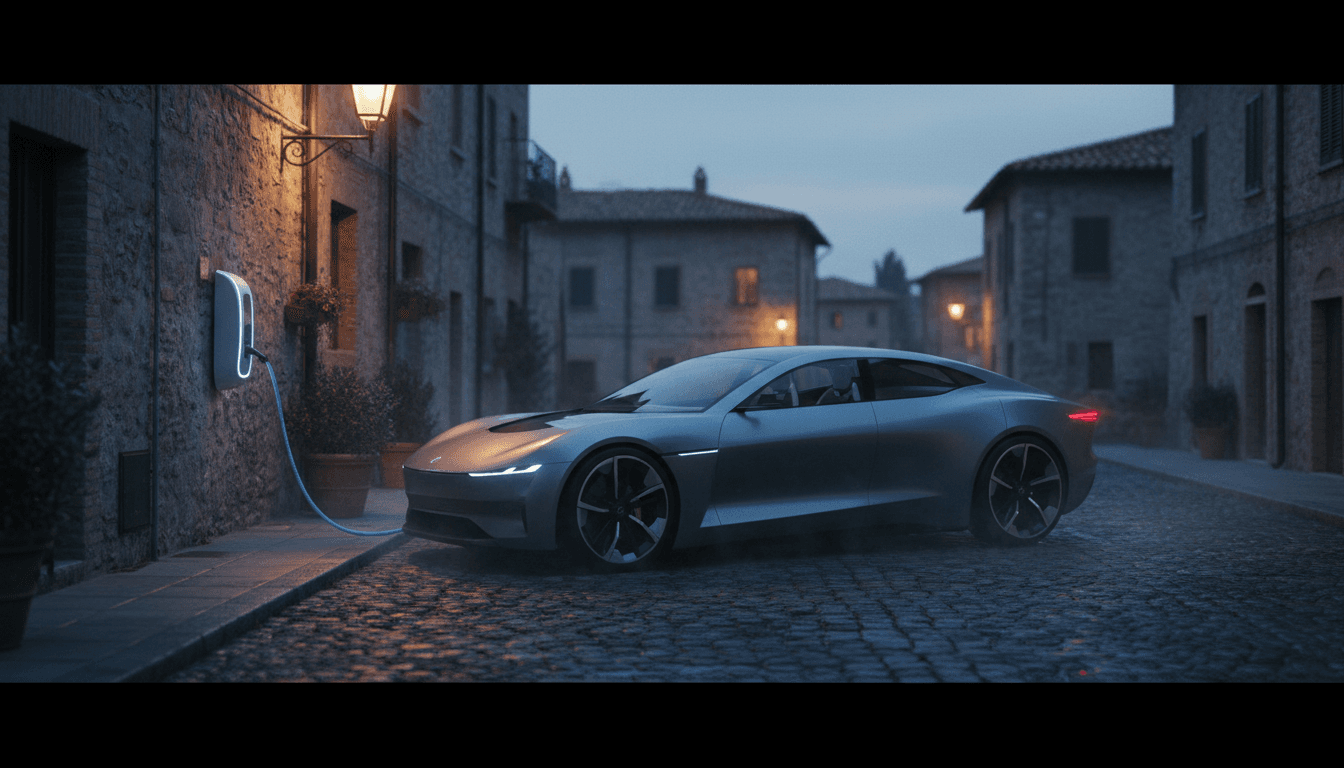
In the United States, J.D. Power's new 2026 APEAL Study [1] paints an unambiguous picture: drivers of electric vehicles report noticeably higher satisfaction than drivers of petrol cars. BEV owners scored an average of 910 out of 1,000, versus 850 for combustion vehicles, a 22-point jump year over year — the sharpest gain of any powertrain category. The widest gap is in powertrain satisfaction specifically, where EVs beat combustion cars by 109 points: silence, instant acceleration and the absence of vibration keep winning over daily drivers.
But there is a paradox that makes the headline more interesting than it first appears. As GoodCarBadCar's analysis pointed out [2], while BEV owner satisfaction is soaring, U.S. EV sales fell 13% over the same period. In other words: people who already own an EV love it, but that love is not converting enough new buyers. That gap between stated satisfaction and actual purchase behaviour is exactly what makes the used market — Italy included — so unpredictable right now.
The Italian numbers: record charging growth, no incentives
In Italy the picture is even more layered. On one hand, the public charging network hit a new all-time record: as of 30 June 2026 there were 84,564 public charging points installed, 17,003 more than a year earlier, with over half of new installations being fast or ultra-fast chargers [4]. Finding a plug is getting easier by the month, even on motorways, where active points rose from 963 in June 2024 to 1,516 in June 2026.
On the other hand, Italy remains the only major European market with no state incentives for private BEV purchases, despite the DPCM Automotive being in force [3]. The result is a BEV share still stuck around 8-10% of new registrations, against a European average approaching 23%. The overall Italian car market is growing (+9.6% in the first half of 2026), but that growth is coming mostly from other powertrains, not pure electrics [3]. It is precisely this gap between an increasingly ready infrastructure and private demand held back by the absence of discounts that makes the Italian EV market such an outlier compared with the rest of Europe.
So why do used EV prices keep falling?
This is where it connects to the used market. In 2026, second-hand EV prices dropped 30-45% below new, driven by a wave of vehicles coming off lease and long-term rental contracts — Tesla Model 3, Renault Zoe, Volkswagen ID.3 and Nissan Leaf chief among them — flooding the market with thousands of 3-5-year-old cars with modest mileage [5]. On top of that, a price war among manufacturers is compounding the effect: when a new list price gets cut 20% overnight to match Chinese competitors, the identical used model takes an immediate hit in value.
Forecasts point to a further 10-15% decline by the end of 2026, with prices expected to stabilise in 2027 [5]. For buyers, this is arguably the best window in years to pick up a used EV at a sensible price. For sellers, it is a moment to reset valuation expectations to what the market will actually pay today, not what a similar car fetched twelve months ago.
Battery health and what to actually check before buying
Survey satisfaction scores mean little if, standing in front of a listing, you do not know what to inspect. The key figure is the battery's State of Health (SOH) — its remaining capacity compared with new [6]. A well-managed battery typically retains 85-92% of its original capacity after 8 years or 160,000 km, which also happens to be the typical manufacturer warranty threshold. If SOH drops below 70%, replacing the battery pack can cost between €6,000 and €12,000 — a figure that should always factor into price negotiations.
In practice, before closing a deal on a used EV it is worth asking for an up-to-date SOH report (many models display it on-board or via an app), checking the fast-charging history since heavy use of ultra-fast chargers accelerates degradation, and confirming whether any remaining battery warranty is transferable to the new owner.
What this means for buyers and sellers on VendiVoce
The takeaway from this summer's data is that driver satisfaction and used-market value are currently moving on separate tracks. People who already own an EV are happy with their choice; people still deciding find a used market with falling prices and charging infrastructure that has matured well beyond big cities, but zero state discount to nudge the decision along. On VendiVoce that translates into practical advice for both sides: sellers of used EVs should price to today's real market, not last year's, while buyers have more negotiating room than they have had in years — provided they check SOH and charging history carefully before signing anything.
Further reading
- 2026 U.S. Automotive Performance, Execution and Layout (APEAL) Study — J.D. Power
- JD Power 2026 APEAL: BEV Satisfaction Up 22, Sales Down 13% — GoodCarBadCar
- Mercato auto Italia: il primo semestre chiude a +9,6%, con giugno che conferma la spinta (+10,6%). Italia unica tra i grandi mercati europei senza incentivi ai privati per acquisto di auto BEV — UNRAE
- Colonnine di ricarica in Italia: sfiorata quota 85.000 — Rinnovabili.it (dati Motus-E)
- Auto elettriche usate, prezzi in caduta nel 2026: affare nascosto o rischio che pochi stanno valutando? — Flopgear.it
- Auto elettrica usata nel 2026: conviene davvero? Guida tecnica con prezzi, modelli e controllo batteria — Auto361.it
Related articles
600kW Chargers: What It Means for a Used EV
Electra is bringing 600 kW charging to the A4 and A10 motorways by 2027. But fast charging stresses batteries, here is what to actually check before buying a used EV.
Charging an EV at Night: How Much You Really Save
With September 2026 prices in hand: home charging in the F2/F3 time bands can save up to 826 euros a year versus petrol. But without a parking spot for a wallbox, the math changes completely.