Electric Cars Overtake Petrol in Europe: What It Means If You're Buying or Selling Used
In May 2026, battery-electric cars outsold petrol models in Europe for the first time ever. Here's what that milestone actually means if you're eyeing a used EV right now, with prices falling and Italy's charging network expanding fast.
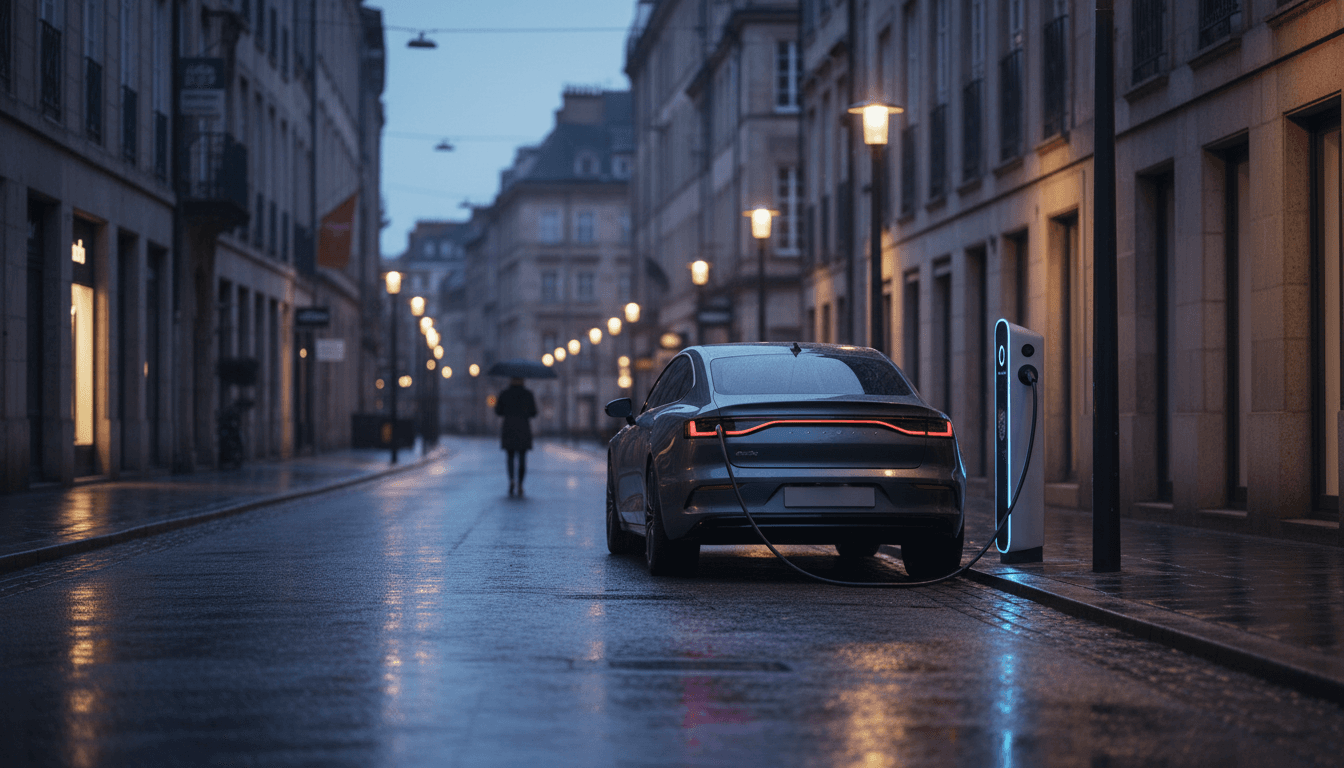
The tipping point has arrived, though not everywhere yet
In May 2026, something happened that felt distant just two or three years ago: across the EU, EFTA and UK combined, battery-electric car (BEV) registrations outsold petrol cars for the first time. Electric vehicles reached a 23.3% market share against 21.7% for petrol, a gap of roughly 18,000 units in a single month, the first monthly overtake of its kind on record for that wider region.
It is worth being precise here, because headlines tend to simplify. Looking at the European Union alone, without EFTA and the UK, the overtake has not actually happened yet: petrol still led at 22% versus 21.3% for electric in May. And on a cumulative basis for the first months of 2026, petrol remains ahead across Europe overall, with around 1.297 million units sold against 1.247 million for electric, even though the trend line is unmistakable: BEVs are up 31.2% year on year while petrol sales have fallen 17%. Still, over the first half of 2026 the European Union's cumulative electric vehicle share crossed 20% for the first time, a milestone that not long ago was being pencilled in for the end of the decade.
Why the headline number is not the real story
For anyone selling or shopping for a used car, the interesting part is not the overtake itself but what is driving it: more affordable new models reaching showrooms, corporate and long-term rental fleets cycling through their electric vehicles faster, and new-car pricing becoming more aggressive under pressure from Chinese manufacturers and margin-squeezed European brands. That combination has a fast, direct effect on the used market: when new electric cars get cheaper, two- and three-year-old ones depreciate faster too, which is good news if you are the one buying.
Used EV prices are already falling
The numbers back this up. In Italy, the median price of a used electric car has dropped to around 22,000 euros, falling below the median price of a used plug-in hybrid for the first time. A year earlier, electric cars cost more than 4,300 euros more than plug-in hybrids on average, so this represents a price drop of nearly 20% in twelve months. Forecasts point to a further decline before the end of 2026, with prices expected to stabilise in 2027. Electric cars still make up only a small slice of Italy's used car transactions, but that is exactly why this transition phase matters: 2019-2022 models are now mature, reliable and often come with modest mileage, since a large share arrives from corporate fleets or long-term rental contracts that have just wrapped up.
Italy's charging network is no longer a good excuse
One of the most common arguments against buying a used EV, the fear of not finding enough chargers, is losing force by the month. As of 30 June 2026, Italy's public charging points passed 84,500, more than 17,000 higher than a year earlier, with over half of the points installed in the past twelve months being fast or ultra-fast chargers, helped along by PNRR recovery-fund investment. Lombardy remains the best-covered region with over 18,000 points, followed by Piedmont, Veneto, Lazio and Emilia-Romagna. Anyone living in one of those regions, or more broadly across northern Italy, now faces a much smaller public-charging problem than they would have two years ago. Buyers in southern Italy or less-served areas still need to weigh their driving habits carefully, check whether a home wallbox is realistic, and be honest about the real-world range of the model they are considering.
What this means if you are selling
If you own an electric car that is a few years old and are thinking about selling, timing and preparation matter more than ever right now. With used EV supply growing and new-car list prices getting more competitive, waiting does not automatically pay off: every fresh batch of recent electric models entering the used market adds direct competition in your exact price bracket. Being ready with a well-prepared listing, documented battery history (state of health, any warranty replacements, share of fast-charging cycles) and a price aligned with real current market values is what separates selling within a few weeks from sitting unsold for months.
How to approach a used EV purchase right now
For buyers, the practical advice has not changed, but the surrounding conditions have become friendlier: always check the battery's state of health (many dealers and platforms now offer a dedicated report), favour cars with a charging history that leans towards slow or home charging rather than constant fast-charging, confirm how much residual battery warranty remains (often 8 years or 160,000 km from the manufacturer), and factor in the real cost of installing a home wallbox if you do not already have one. With prices falling and the charging network expanding, 2026 is arguably the first year in which buying a used electric car in Italy is a rational choice for a much wider audience than the early adopters who have driven the segment until now. The European sales overtake will not change anyone's life the morning they go shopping for a car, but it is the clearest signal yet that the used-EV market is entering its adult phase.
Further reading
- Mercato auto Europa maggio 2026: sorpasso elettriche su benzina, dati immatricolazioni — NewsAuto.it
- Le elettriche hanno superato le vendite delle auto a benzina in Europa — ClubAlfa.it
- Auto elettriche da record in Ue nel primo semestre 2026: superata quota 20% — Auto.Everyeye.it
- Auto elettriche, la rete di ricarica italiana accelera: oltre 84.500 colonnine pubbliche — Motorbox.com (dati Motus-E)
- Auto usate, prezzi in calo ma le elettriche corrono: +18,5% nel 2026 — TecnoAndroid.it
Related articles
600kW Chargers: What It Means for a Used EV
Electra is bringing 600 kW charging to the A4 and A10 motorways by 2027. But fast charging stresses batteries, here is what to actually check before buying a used EV.
Charging an EV at Night: How Much You Really Save
With September 2026 prices in hand: home charging in the F2/F3 time bands can save up to 826 euros a year versus petrol. But without a parking spot for a wallbox, the math changes completely.