Electric cars in 2026: is it really worth switching?
Total costs, real-world range, charging, incentives and the battery: what to really weigh before choosing an electric car this year.
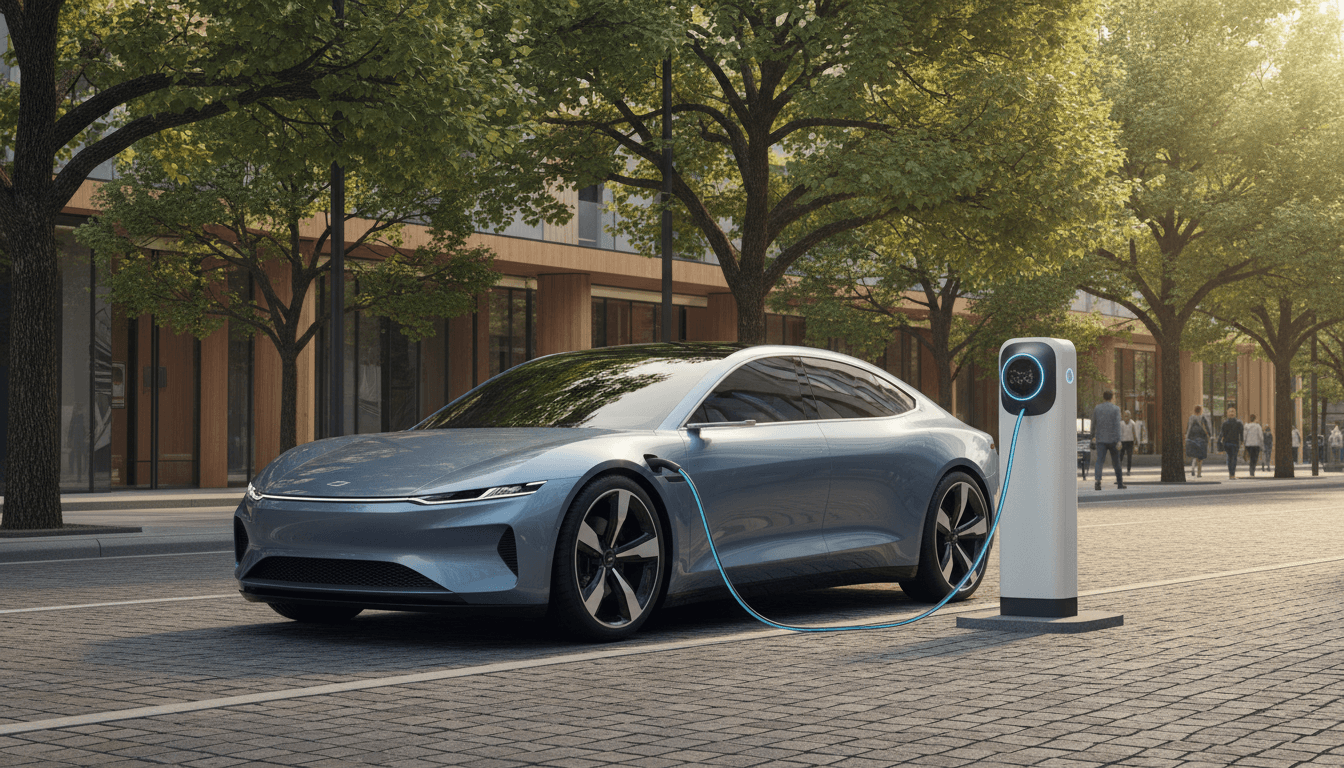
In 2026 the electric car is no longer a technological gamble, but whether it is the right choice still depends on how and how much you drive. Before switching, it pays to think through real costs, range, charging and incentives — rather than being led by enthusiasm or prejudice alone.
Total cost, not just the sticker price
An EV still costs more to buy on average than an equivalent petrol car, but that is only part of the sum. Maintenance is simpler (no oil, clutch, belt or exhaust) and electricity costs less than fuel, especially when charging at home overnight. Over the long run, and for high-mileage drivers, the total cost of ownership often matches or beats the petrol advantage.
Real-world range versus the brochure
Brochure ranges are optimistic: in real use — with the climate control on, motorway speeds and winter cold — expect 20-30% less. For city trips and the commute, almost every current model is more than enough. The sticking point is the long journey: there, charging power and the network along your route matter far more than the quoted kilometres.
Charging: home, work or public
Being able to charge at home or at the office is a huge head start, in both convenience and cost. Without a garage or a dedicated socket, life with an EV is possible but takes more planning: check how many public chargers there really are near you, the price per kWh and the speeds. More than anything else, this is the factor that decides whether an EV suits you.
Incentives, road tax and city access
Check the national and regional incentives in force at the time of purchase, because they change often. On top of those come recurring perks: exemption or reduction of road tax for several years in many regions, free access to numerous restricted-traffic zones and, in some cities, cheaper parking. Added together, these line items make a real dent in the yearly cost.
The battery: lifespan, warranty and resale value
The battery is the most expensive component and the main worry for buyers. The good news is that modern batteries last far longer than once feared: most makers guarantee a minimum capacity, typically 70%, for eight years or 160,000 km. On the used market, check the battery's state of health and the remaining warranty — they are what protects your investment.
Who it suits, and who it does not
An EV is at its best for those who cover a lot of city or regular-route kilometres and can charge at home: that is where the savings peak and the quiet, smooth drive wins people over. It makes less sense for low-mileage drivers, anyone with no way to charge privately, or those who often take long trips through poorly served areas. In those cases, a hybrid can be the better compromise.
The verdict
In 2026 the electric car really is worth it for a growing share of drivers — but not for everyone in the same way: the answer depends on your driving profile more than on the technology. Do an honest sum of your mileage and your charging options. On VendiVoce you will find electric and hybrid cars from private sellers and dealers, so you can compare models and prices at your own pace.
Further reading
Related articles
600kW Chargers: What It Means for a Used EV
Electra is bringing 600 kW charging to the A4 and A10 motorways by 2027. But fast charging stresses batteries, here is what to actually check before buying a used EV.
Charging an EV at Night: How Much You Really Save
With September 2026 prices in hand: home charging in the F2/F3 time bands can save up to 826 euros a year versus petrol. But without a parking spot for a wallbox, the math changes completely.