Used car in Rome: Fascia Verde and Euro class
What to check before buying a used car in Rome: permanent Fascia Verde bans, diesel smog blocks, ecological Sundays from 15 November 2026 and where to verify the current ordinance.
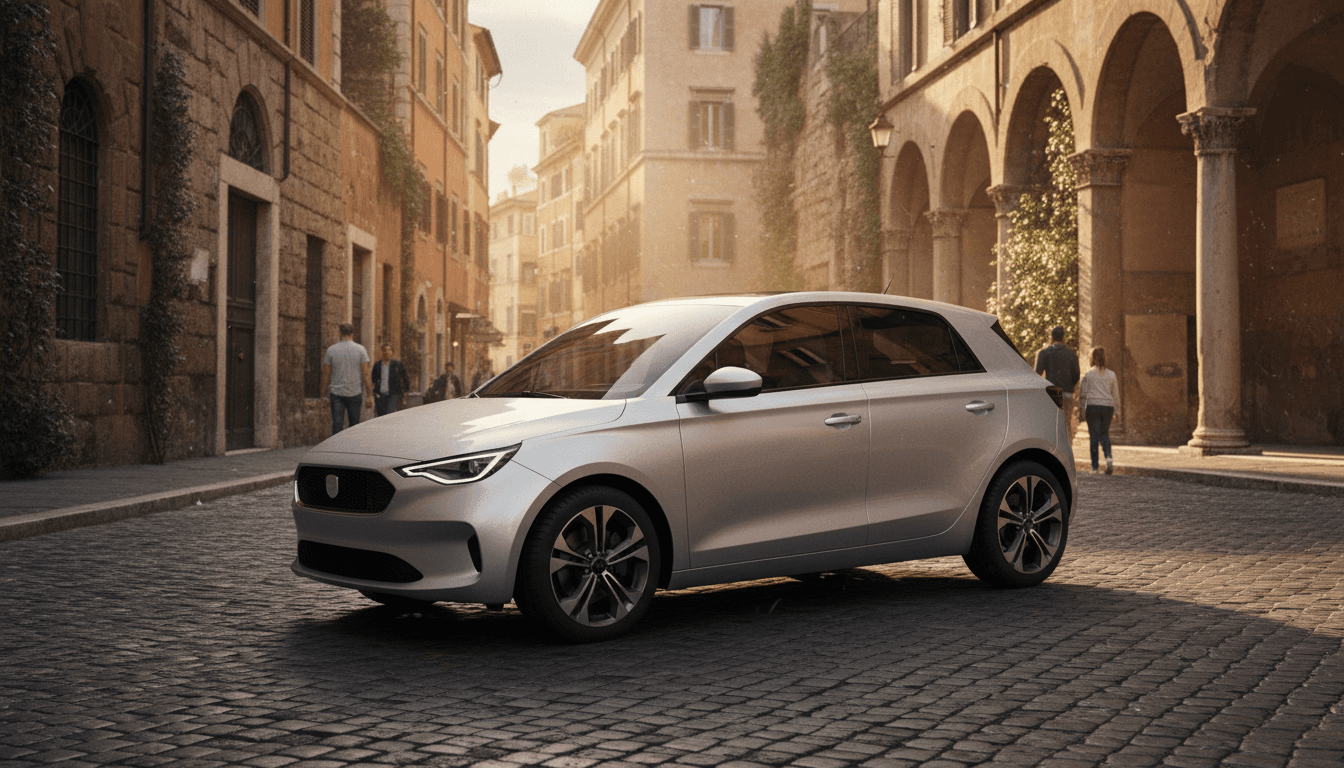
You are shopping for a used car in Rome and notice that a bargain is an old Euro 4 diesel or a very old petrol car. Before you sign, ask one question: will I be able to use it where I need it? Rome's Fascia Verde, the large environmental low-emission zone, and its smog-related traffic bans change from one season to the next, and the Euro class printed on the registration document can be the difference between a handy car and one that sits idle. This guide explains what to check, which rules are fairly stable and where you must verify the latest ordinance.
Why Euro class affects value in Rome
In large Italian cities, traffic restrictions follow the vehicle's environmental class, shown on the registration document in field V.9. A Euro 6 car is least exposed to bans, while older vehicles are hit hardest. For buyers this means two cars with the same model, year and mileage can have very different usefulness. For sellers the opposite applies: an older diesel in a city with recurring restrictions sells more slowly and often at a discount.
What the Fascia Verde bans permanently
The Fascia Verde is the Italian capital's widest restricted zone. According to ACI's L'Automobile for the season starting in November 2026, the ordinary rules stay the same as the previous year: petrol cars up to and including Euro 2 and diesel cars up to and including Euro 3 may not enter, drive or park in the zone. If you are considering a car that old, it has a structural limit in Rome: it basically cannot use that area.
For Euro 4, 5 and 6 there is no permanent entry ban; limitations apply mainly during pollution episodes.
Euro 4, 5 and 6 diesels: smog-episode bans
Trade sources describe a tiered system: at the orange pollution level the block covers Euro 4 diesels, at the red level it extends to Euro 5 and Euro 6 diesels, within time bands that press reports put at roughly 7:30 to 20:30. These are temporary stops, but they recur in winter spells of stagnant air.
On one point the sources disagree and you must check yourself: the fate of Euro 4 diesels. A SicurAuto article reports the Region again spared Euro 4 diesels, with an ordinance expiring on 31 October 2026; other outlets spoke of a block arriving in November 2026 unless postponed; the most recent source consulted says there are no new restrictions. Rome Mobilità's ordinance 145/2025 covers 1 November 2025 to 31 October 2026, so it is about to expire. Before buying a Euro 4 diesel, read the text currently in force on the Roma Mobilità site or ask the city for confirmation.
Ecological Sundays
For the 2026-2027 season five ecological Sundays are planned, with a block in the Fascia Verde from 7:30 to 12:30 and from 16:30 to 20:30. The first is 15 November 2026. Exemptions change every year and concern some vehicle and user categories: read the ordinance to see whether your car, hybrid or electric included, is admitted. Do not assume a mild hybrid is always exempt.
How to verify the Euro class before buying
- Ask for the registration document and read field V.9: the class is there, not in the advert.
- If the advert does not state it, be wary: sellers who omit it often have a reason.
- Compare registration year and class: some Euro 5 cars were registered very close to the switch to Euro 6.
- Run a PRA search to check the data is consistent.
- Check road tax and the last inspection: they weigh as much as the environmental class.
Which fuel to choose if you live in Rome
If you drive mostly in town, a Euro 6 petrol, LPG or hybrid is the choice with the least downtime risk, and hybrids benefit from low consumption in traffic. Diesel makes sense if you cover many out-of-town kilometres. LPG remains a cheap and widespread option but you must check the tank expiry date. A recent Euro 5 diesel can be a fair compromise if your annual mileage is high, as long as you accept a few stops on smog-alert days.
For non-residents there is the other side: the historic centre ZTL has its own hours and permits, and a used car bought in Rome but registered to someone without a permit still cannot enter the centre.
Price and negotiation: use the Euro class in your favour
If the car is exposed to bans, the seller should reflect that in the price. Compare two adverts identical in model and mileage but with different classes and bring the difference to the negotiation. If you are selling, do the opposite: put the Euro class up front in the advert and, if it is the latest in the range, present it as added value.
Takeaway
In Rome, before buying a used car, check the Euro class in field V.9. Petrol up to Euro 2 and diesel up to Euro 3 are excluded from the Fascia Verde; Euro 4, 5 and 6 diesels can be stopped during smog episodes; for Euro 4 diesels the rule must be checked against the new season's ordinance. A recent Euro 6 is the safest pick. On VendiVoce you can filter listings by fuel and year, but the final check always belongs on the registration document and the ordinance in force.
Sources and further reading
- [1] Roma Mobilità, ordinance 145/2025
- [2] SicurAuto, Rome ZTL: 2026 hours, map and permits
- [3] SicurAuto, Fascia Verde Rome: the Region again spares Euro 4 diesels
- [4] ACI L'Automobile, Fascia Verde Rome
- [5] Motorionline, Rome car block and Euro 6 diesels
Further reading
Related articles
Winter Tyres in Italy 2026: Rules From 15 November
From 15 November 2026 to 15 April 2027 winter tyres or chains return: where the rule applies, which tyres to choose, speed index and fines.
Italy diesel excise cut ends: what changes Nov 8
Italy's diesel excise cut expired on 7 November 2026: what it was really worth, the history of this year's cuts, and what it means for anyone driving, buying or selling a used diesel.