Buying a Used Automatic Car in 2026: The Guide You Actually Need Before You Buy
Hybrids now dominate new-car sales, licence code 78 is reshaping who can drive what, and not all automatic gearboxes age the same way: what to know before buying a used automatic in 2026.
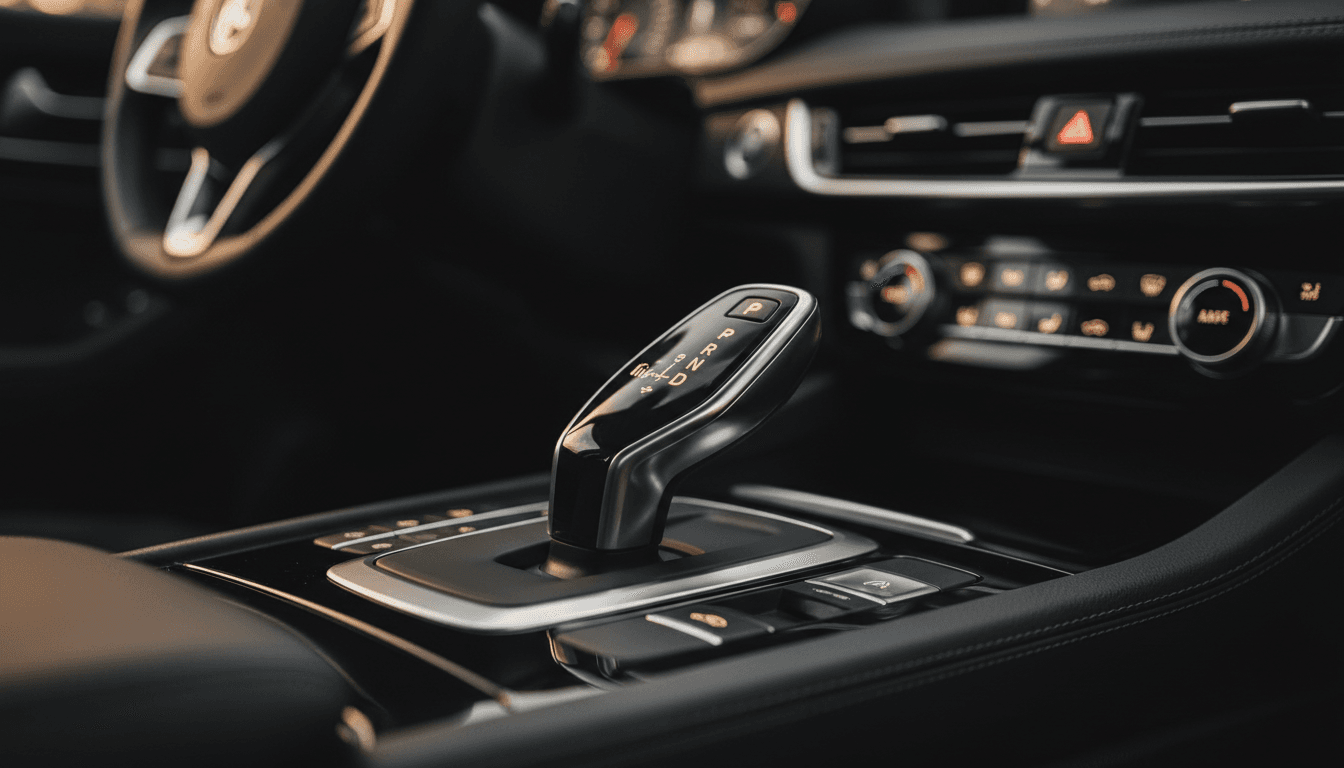
The quiet handover: how automatic became the default
By June 2026, hybrids — mild and full combined — accounted for more than 46% of new car registrations in Italy, according to market data compiled by the Ministry of Infrastructure and Transport [1]. Almost none of those cars offer a manual gearbox: full hybrids simply do not come with one, since there is no real benefit to pairing a clutch pedal with a system that constantly switches between a combustion engine and an electric motor [5]. So when someone searches for a used automatic car today, they are not chasing a niche preference — they are following a shift the new-car market already made years ago.
The numbers trace a clean progression. In 2013, automatic-transmission cars made up less than 15% of new sales in Italy; by 2020 that had climbed to 32.4%; and in 2024 automatics crossed the psychological halfway mark for the first time [4][6]. A decade ago, manual was the near-universal default outside premium trims. Today automatic is the default on crossovers, SUVs, hybrids and EVs, while manual mostly survives on entry-level city cars and a handful of sports models [6].
Why demand for used automatics is accelerating
Two forces are compounding. The first is simple fleet turnover: the wave of automatic cars first registered five or six years ago is now reaching the used market in real volume, and supply is catching up with demand that has already matured online. The second is less discussed but just as concrete: since 2013, Italy has allowed learners to take the practical driving test in an automatic-only car, and a growing share of newly licensed drivers now hold a category B licence carrying the EU code 78 restriction, which permits driving only vehicles without a manually operated clutch [3][7]. For anyone who took their test that way, buying a manual car is not a matter of taste — it is simply not allowed, unless they retake a full practical exam (practice alone does not remove the restriction) [7].
There is fresh regulatory movement here too, even if it does not touch code 78 directly. Ministerial decree no. 294, signed on 17 November 2025 and published in the Official Gazette in late December, raised the mandatory in-school driving hours for a category B licence from six to eight, split into modules covering city, extra-urban, motorway and night driving; the new rules apply to learners who start their course from 22 April 2026 onward [2][3]. Code 78 itself is untouched — a public petition has been asking for its abolition for some time, without success so far [7] — but the reform underlines how the licensing system keeps producing drivers who are, in practice, automatic-only by law.
Three mechanisms, three different risk profiles on the used market
Not all automatic gearboxes are built the same, and the difference matters a great deal when buying used.
The torque converter is the oldest design and, somewhat counterintuitively, today the most robust. Units like the ZF 8HP, used across BMW, Jeep, Alfa Romeo and Land Rover, have a reputation for comfortably passing 200,000 km with routine maintenance [6]. Fluid should generally be changed every 80,000–100,000 km even when the manufacturer labels it lifetime-fill — skipping that service is the single biggest cause of premature failure [6].
Dual-clutch gearboxes (DSG and similar) are the most common on the used European market, but also the most delicate. Dry-clutch versions paired with small engines (typically under 1.4–1.6 litres) have shown more cases of premature clutch wear and mechatronic control-unit faults over the years; oil-bath versions, usually paired with more powerful engines, have generally proven more reliable [6][5]. The recommended fluid-change interval is shorter, around 60,000 km, and a mechatronic or clutch repair can run from 500 to over 2,000 euros [6].
Continuously variable transmissions (CVT), common on Japanese models, are mechanically simple and durable when properly serviced, but depend on a metal belt or chain that on some models has shown premature wear if the fluid is not changed regularly — roughly every 80,000 km [6][5].
A pre-purchase checklist
Four checks make the biggest difference before signing for a used automatic. First, ask for the service book and confirm whether and when the transmission fluid was changed, even if the manufacturer calls it maintenance-free. Second, take a test drive long enough to include a standing start, low- and high-speed shifts, and a firm braking event, paying attention to harsh downshifts, vibration or a slipping sensation. Third, on DSG or dual-clutch models, have a shop pull any stored fault codes with an OBD scanner even if the dashboard warning light is off. Fourth, look up the typical failure mileage for that specific model — a brand-specific forum or an independent specialist workshop usually already knows which gearbox generations tend to cause trouble.
The practical takeaway
Buying a used car with an automatic gearbox in 2026 is no longer a niche choice — it is the natural consequence of a market that has already voted decisively, and of a licensing system that keeps producing more automatic-only drivers every year. The mechanical risk is real, but it is concentrated and predictable: knowing which type of gearbox you are buying, checking its maintenance history, and budgeting for the correct fluid-change interval removes most of the surprises. VendiVoce lists used cars and motorcycles every day — when you are shopping for an automatic, run through these checks before you message the seller, not after.
Sources / Further reading
[1] Ministero delle Infrastrutture e dei Trasporti — Auto: 146,423 registrations in June (+10.59% year on year) [2] Ministero delle Infrastrutture e dei Trasporti — Ministerial decree no. 294 of 17.11.2025, mandatory driving hours [3] La Patente di Guida — Mandatory driving hours for category B licence 2026: what changes from 22 April [4] Moveo (Telepass) — How many Italians still drive a manual car? And why [5] BusinessOnline.it — Hybrid cars with automatic transmission: models, prices and brands [6] Automobile360.it — Types of automatic transmission in 2026: a complete buying guide [7] Change.org — Petition: category B licence with automatic transmission, abolish the code 78 restriction
Further reading
- Auto: 146.423 immatricolazioni a giugno (+10,59% rispetto allo stesso mese dell'anno precedente) — Ministero delle Infrastrutture e dei Trasporti
- Decreto ministeriale n. 294 del 17.11.2025 - guide obbligatorie — Ministero delle Infrastrutture e dei Trasporti
- Guide obbligatorie patente B 2026: cosa cambia dal 22 aprile — La Patente di Guida
- Quanti italiani hanno ancora l'auto con il cambio manuale? E perche — Moveo (Telepass)
- Auto ibride con cambio automatico. Modelli, prezzi e marche — BusinessOnline.it
- Tipi di cambio automatico nel 2026: guida completa per scegliere il giusto — Automobile360.it
- Esame patente B con cambio automatico: abolizione del divieto del codice 78 — Change.org
Related articles
Buying a Used LPG Car in 2026: Does It Pay Off?
Before buying a used LPG car in 2026, here is what actually matters: tank age, system testing, regional road tax and traffic bans, and how many kilometres it takes to break even.
Odometer Fraud: How to Spot It Before You Buy Used
A survey published today finds nearly one in three used-car buyers runs into a tampered odometer. Here's how to check for free before you sign, and what a seller risks for doing it.