Tesla Recalls 20,349 Model 3 and Model Y Over Blinding Headlights: How to Check for Open Recalls Before Buying Used
After a two-year standoff with US regulators, Tesla must recall over 20,000 Model 3 and Model Y cars for low beams that are too bright. What happened, why Europe is not affected, and how to check for open recalls before buying a used car.
What actually happened
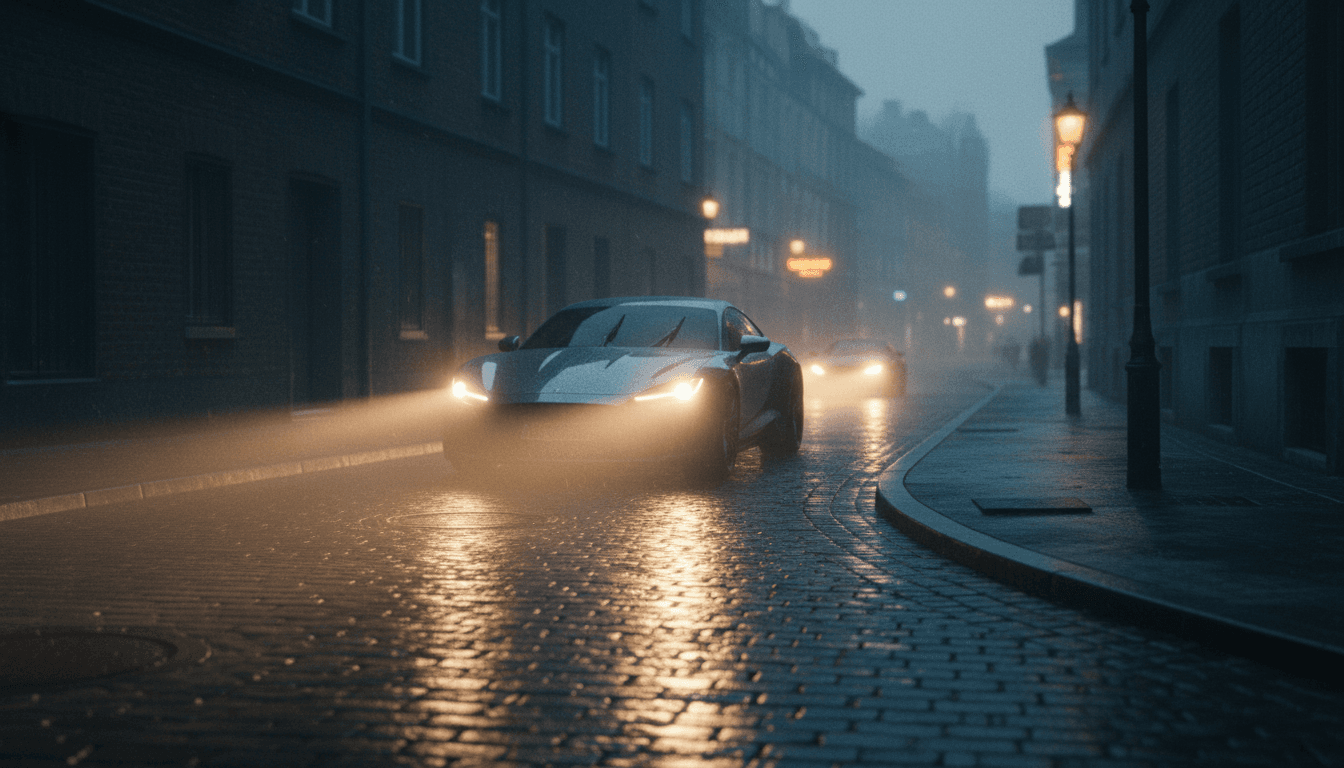
On August 4, 2026, Tesla filed a recall with the US National Highway Traffic Safety Administration (NHTSA) covering 20,349 vehicles: 18,735 Model Y units built between 2020 and 2023, and 1,614 Model 3 units from 2017 to 2023. The count grew by 432 vehicles after Tesla reviewed its service records. The defect sits in the low-beam headlights: in the upper-outer zone of the beam pattern, lab tests measured light intensity of up to 230.1 candela against a maximum federal limit of 125.
In practical terms, that means an oncoming driver at night can be momentarily blinded at exactly the moment they need clear vision most - going into a curve, approaching an intersection, or spotting a pedestrian at the roadside. It is not a cosmetic footnote; NHTSA judged it serious enough to force a physical recall.
A two-year saga that started in Canada
The most interesting part of this story is not the recall itself but how long it took to get here. The defect first surfaced through Transport Canada's compliance testing program, which flagged the low beams on a 2019 Model 3 as non-compliant. Tesla learned of the issue on January 16, 2024, and opened an initial recall on March 9 of that year. In the following weeks, though, it petitioned NHTSA for an exemption, arguing the defect was inconsequential to safety and did not warrant a large-scale fix.
NHTSA rejected that petition only on July 17, 2026 - more than two years after the first report - forcing Tesla to reopen and widen the campaign to the current 20,349 vehicles. Notification letters to owners are scheduled to go out on September 15, 2026, but in an unusual twist for a recall of this size, Tesla has not yet said what the fix will actually be: a software recalibration, a hardware swap, or a simple realignment at a service center. This is not even the automaker's first recent brush with the issue - just months earlier, Tesla recalled more than 63,000 Cybertrucks over similarly over-bright front lights, suggesting a recurring difficulty keeping lighting output inside federal limits.
Why the same Model 3 in Europe is not (yet) affected
Anyone who owns, or is shopping for, a used Model 3 or Model Y in Italy is probably wondering whether this touches their car. As things stand, the answer is no: this is a recall opened in the United States under the federal FMVSS 108 standard, not a European campaign. No European authority has opened an equivalent proceeding over this specific defect.
The difference is not just bureaucratic. In the US, the system runs on self-certification: the manufacturer declares its vehicle meets federal standards, and NHTSA checks after the fact, through spot testing and recalls when something does not add up - exactly what happened here. Europe works the other way around: type approval is granted before a vehicle ever reaches the road. A national authority has to approve the vehicle type, including individual components such as headlamp units, before it can be registered and sold, and each component carries its own approval mark. Neither system is automatically better, but this explains why a defect like this one tends to get caught earlier, on a pre-production prototype, rather than later, on twenty thousand cars already on the road.
The right question to ask before buying used
Beyond the Tesla story, this is a useful reminder for anyone shopping for a used car or motorcycle, electric or not: before signing anything, it is worth checking whether the vehicle is subject to an open recall campaign. In Italy, that check is easier than most buyers assume, and it can be done three ways:
- The manufacturer's own portal. Almost every brand, Tesla included, lets you enter the vehicle identification number (VIN) into a dedicated tool to check for pending recalls.
- The Ministero delle Infrastrutture e dei Trasporti (Italy's transport ministry) website, which coordinates official recall notices nationwide and has already handled large-scale cases such as the Takata airbag campaigns.
- The UNRAE portal (richiami.unraeservizi.com), which aggregates recall campaigns for most brands active in Italy from a single VIN lookup.
It is worth distinguishing two levels of severity. A standard recall involves a repair that can be scheduled at a convenient time, with no restriction on driving the car in the meantime. A stop-drive recall, on the other hand, means the vehicle should not be driven at all until the fix is completed - as was the case with some of the more critical Takata airbag campaigns, where continuing to drive with the faulty part posed an immediate risk.
What to do if your car is affected
If you are selling a car and discover it is subject to an open recall, the right move is to have the fix carried out at an authorized center before listing it, or to disclose it clearly to the buyer. A pending recall does not make the sale illegal, but it is information a buyer has a right to know, and hiding it undermines exactly the trust that a change of ownership depends on. If you are the one buying, ask the seller for proof that any open recalls have already been closed, or factor the outstanding work into the price negotiation.
Adding a recall check to your pre-purchase checklist, alongside service records, maintenance history, and roadworthiness inspection status, takes five minutes and can save real headaches later - whether you are looking at a 30,000-euro Model Y or a ten-year-old city car.
Sources
- Tesla Spent Two Years Calling Its Headlights Harmless. The NHTSA Called It A Recall - Carscoops
- Tesla recalls 20,000 Model 3/Y for headlights that are too bright - Electrek
- Tesla richiama 20.349 auto: fari che accecano in strada - InsideEVs Italia
- Tesla Has to Fix 20,000 Vehicles With Too-Bright Headlights It's Known About Since 2024 - Gizmodo
- Tesla recalls 20,349 cars after NHTSA rejects its headlight defence - TheNextWeb
- Tesla recalls more than 63,000 Cybertrucks because the front lights are too bright - Barchart
- FAQ - Type approval of vehicles - European Commission
- Takata airbag recall campaigns: check now if your vehicle is involved - Ministero delle Infrastrutture e dei Trasporti
- Richiami ufficiali auto: cosa sono e come verificarli - Owny
Further reading
- Tesla Spent Two Years Calling Its Headlights Harmless. The NHTSA Called It A Recall — Carscoops
- Tesla recalls 20,000 Model 3/Y for headlights that are too bright — Electrek
- Tesla richiama 20.349 auto: fari che accecano in strada — InsideEVs Italia
- Tesla Has to Fix 20,000 Vehicles With Too-Bright Headlights It's Known About Since 2024 — Gizmodo
- Tesla recalls 20,349 cars after NHTSA rejects its headlight defence — TheNextWeb
- Tesla recalls more than 63,000 Cybertrucks because the front lights are too bright — Barchart
- FAQ - Type approval of vehicles — European Commission
- Campagne di richiamo airbag Takata: verifica ora se il tuo veicolo e coinvolto — Ministero delle Infrastrutture e dei Trasporti
- Richiami ufficiali auto: cosa sono e come verificarli — Owny
Related articles
Used cars: physical buttons or touchscreen?
From January 2026 Euro NCAP penalises cars that hide indicators, the horn and hazard lights inside touch menus. What that means if you are buying a used car from the all-touch years, and what to check before you sign.
Buying a Used Car With a Black Box: 2026 Guide
Buying a used car that already has an insurance black box installed is not a problem, but it is not an automatic perk either: the discount and the driving history stay with the previous owner. What Italy's 2024 data-portability law actually changed, and what to do before and after the ownership transfer.