Renault 5 E-Tech's August 2026 update: more range, an LFP battery and Gemini on board. Buy new now, or wait for a used one?
Renault has just updated the 5 E-Tech with more range across the board, a new LFP-battery entry trim, and Google Gemini on board. Here is what actually changed, and whether it makes more financial sense to buy new now or wait for the first used units to hit the market.
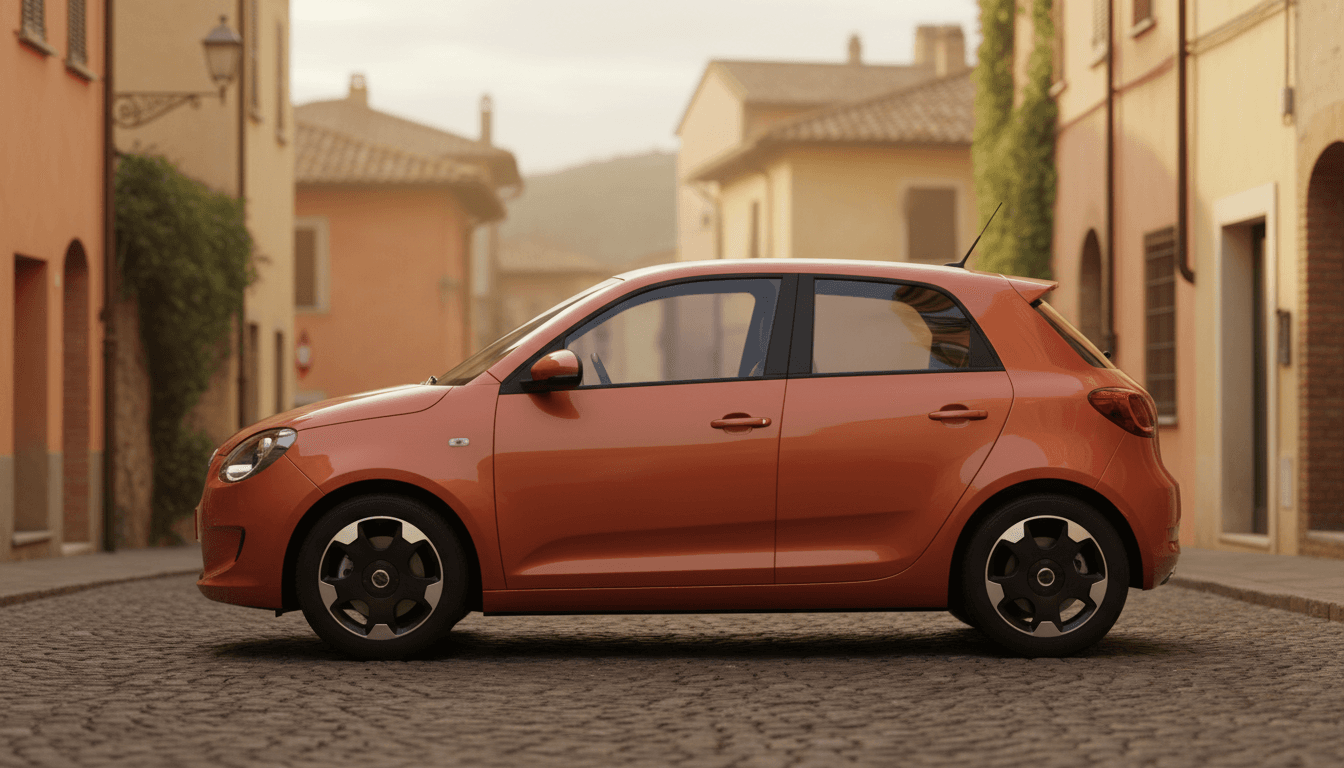
What actually changed in the late-August update
Renault refreshed the 5 E-Tech Electric line just days ago, and the most concrete news for anyone shopping the segment is range, which increases across most of the lineup [1][2][3]. The 40 kWh, 120 hp version climbs from 312 to 315 km WLTP, while the range-topping 52 kWh version now reaches up to 430 km, up from 410 [3]. The gain does not come from a bigger battery pack: it comes from aerodynamic work on the underbody and new door mirrors, plus tighter optimisation of the battery-management electronics [3]. Smaller additions include 4G connectivity for the e-call system and a magnetic wireless phone charger compatible with the Qi2 standard, able to top up a phone by 50 percent in an hour [3].
The real story: a new LFP entry trim
The more interesting change for buyers, though, is not the headline number on the priciest trim — it is the arrival of a new entry-level Five with a 36.5 kWh battery, lithium-iron-phosphate (LFP) chemistry and cell-to-pack construction, paired with a smaller, 110 hp motor shared with the Twingo E-Tech [1][2][3]. That configuration returns a declared 305 km WLTP: not the biggest number in the range, but respectable for a trim built specifically to hold the price down [1][3]. LFP chemistry is nothing new in the cheap end of the electric city-car market — the Dacia Spring and the base MG4 already use it — but it is a first for the 5, and a deliberate one: LFP cells cost less to produce than nickel-manganese-cobalt (NMC) packs, tolerate repeated fast-charging sessions better, and generally degrade more slowly over time, in exchange for slightly lower energy density per kilogram.
Pricing and trims in Italy
The Italian 5 E-Tech lineup currently starts at roughly 29,990 euros for the Techno 120 hp Urban Range trim, with the Comfort Range 150 hp versions climbing to around 33,940-34,390 euros; some dealer promotions have shown entry prices closer to 26,990 euros, though those figures move often and need checking trim by trim [4]. Full pricing for the new LFP Five was not yet public at the time of writing, but Renault has positioned it explicitly to compete with the Peugeot e-208 for the more affordable end of the electric B-segment, the bracket under 25,000 euros before any incentives.
Gemini on board: useful, or just marketing?
Since late June 2026, Renault cars running the openR Link infotainment system have been receiving a free over-the-air update that replaces the old Google Assistant with a Gemini-based voice assistant [5]. The difference is more than cosmetic: Gemini has direct access to vehicle functions like climate control, navigation and remaining range, and it understands natural-language requests instead of rigid voice commands, across 13 languages including Italian; a future Gemini Live mode promises even more fluid conversation [5]. It is genuinely convenient, but on its own it is not a strong reason to pick a 5 over another EV in the same class: within a few months the same assistant will roll out across most of the Renault range, Clio included, so it stops being an exclusive advantage for the 5 [5].
New now, or wait for a used one: the depreciation math
This is the question that actually matters for anyone reading a listings blog rather than a spec sheet. The 5 E-Tech has been on sale since late 2024, so the first units are now around the year-and-a-half mark: over the next 12-18 months the used market will start seeing its first examples with real mileage behind them, right as Italy's purchase incentives for new EVs have largely run dry through 2026. As a benchmark for how steep early depreciation gets on a compact electric, a used Renault Zoe today starts around 2,800 euros, and a low-mileage Fiat 500e can already be found for 10,000-12,000 euros — in several cases 50-60 percent below its new-car sticker price [6]. There is no guarantee the 5 will follow exactly the same curve, since it is newer, in stronger demand, and still carries a real waiting list — but the underlying principle holds: the first stretch of depreciation, roughly years zero to three, is almost always the most painful one to pay as a buyer, and it is also the stretch where a patient shopper gains the most by waiting.
What to check on a used 5, once it arrives
For anyone aiming to buy used in a year or two, two things matter far more than the colour chart. The first is battery chemistry: early 5s only ever came with NMC packs, while the newer trims add the LFP option described above, so it is worth asking a seller directly which chemistry a given car has, since it affects expected longevity. The second is the battery's state-of-health (SoH) certificate, which can be read from the Battery Management System through dedicated diagnostic equipment, or obtained as an official report from the manufacturer for roughly 50-150 euros. On any used EV above 10,000 euros, that check is worth the cost before signing anything, and it is about to become standard practice across Europe once the battery passport requirement takes effect from 2027 for all packs above 2 kWh [7].
The practical takeaway
If you need an electric city car in the next few months and the budget allows it, the August update makes the 5 E-Tech a genuinely stronger buy than before, especially in the new LFP entry trim: more real-world range, a battery chemistry that should hold up better over time, and a starting price built to compete. If you can afford to wait instead, let the market do the hard work for you: within a year or two the first used 5s will start showing up at meaningfully lower prices, and by then the right question to ask a seller will not be how many horsepower it has, but which battery it runs and what that battery is actually worth today.
Further reading
- La Renault 5 ha più autonomia e nuove personalizzazioni — Motor1 Italia
- Novità per Renault 5: più autonomia, nuova entry-level LFP e nuovi colori — Greenmove (HWupgrade)
- Renault 5 gains more range and new entry-level LFP version — electrive.com
- Listino Renault 5 E-Tech prezzo — alVolante.it
- Google Gemini su Renault openR link: come funziona e su quali modelli arriva — Quattroruote
- Citycar elettriche 2026: tutti i modelli e i prezzi — AutoScout24
- Ogni auto elettrica dovrà avere un certificato di salute della batteria: cosa cambia per chi compra e chi vende — Business Online
Related articles
Buying a Used LPG Car in 2026: Does It Pay Off?
Before buying a used LPG car in 2026, here is what actually matters: tank age, system testing, regional road tax and traffic bans, and how many kilometres it takes to break even.

Odometer Fraud: How to Spot It Before You Buy Used
A survey published today finds nearly one in three used-car buyers runs into a tampered odometer. Here's how to check for free before you sign, and what a seller risks for doing it.