Farewell to the PureTech Engine: Stellantis Closes Douvrin, What It Means for Used-Car Buyers
On 30 October 2026 the French plant behind the controversial wet-belt 1.2 PureTech engine shuts down. Here is which models are affected and how to buy or sell a used one without nasty surprises.
The end of an era in Douvrin
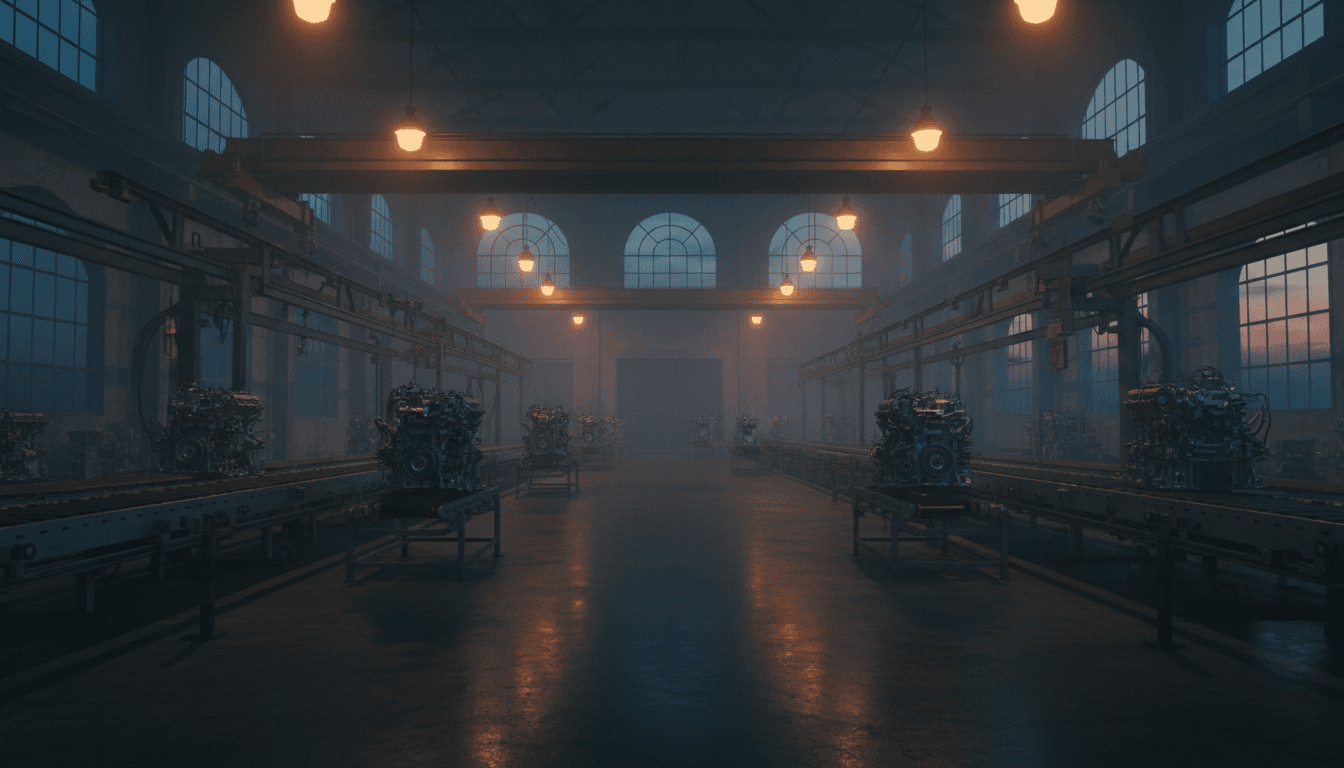
Stellantis has confirmed that its historic French plant in Douvrin will close on 30 October 2026. The factory has been running since 1969 as Francaise de Mecanique, a joint venture born from an agreement between Peugeot and Renault. Over more than fifty-five years it has produced between 40 and 50 million engines, including the celebrated PRV V6. In recent years, though, Douvrin became known for a far less flattering reason: it is where the controversial second-generation 1.2 PureTech (EB2 Gen2) is assembled, the three-cylinder turbo with a wet timing belt that has caused one of the most serious reputational blows in the French group's recent history [1][2].
Right next to the old production hall, ACC (Automotive Cells Company) - the battery joint venture between Stellantis, TotalEnergies and Mercedes-Benz - will run its new gigafactory: an almost symbolic handover from Europe's most criticised combustion engine to electric-vehicle cells [3].
Why the PureTech still makes headlines
The PureTech's problem was never the three-cylinder layout itself, which owners generally liked for fuel economy and flexibility, but the design choice of running the timing belt inside the oil bath instead of in open air, unlike the vast majority of modern engines. Over time the belt's rubber degrades and the debris ends up in the sump, where it can clog the oil pump filter and starve vital engine components of lubrication, sometimes leading to total failure [4].
The newer chain-driven versions (rolled out more systematically from 2023, especially on hybrid variants) are not entirely trouble-free either: owners report chain slip, P0012-P0017 diagnostic codes and faulty camshaft bolts on engines built before 17 February 2024 [5].
Which models are affected
The wet-belt 1.2 PureTech equipped a huge share of the Stellantis (ex-PSA) range and beyond, including: Peugeot 108, 208, 2008, 308, 3008, 408 and Partner/Rifter; Citroen C1, C3, C3 Aircross, C4 (including Cactus), C4 Picasso/SpaceTourer, Berlingo, C5 Aircross and C5; Opel Corsa, Crossland, Mokka, Astra and Grandland; the entire DS3, DS3 Crossback, DS4 and DS7 Crossback line-up. A number of Toyota models born from platform-sharing deals with the French group received the same engine too [6][7].
Belt or chain: how to tell before you sign
Anyone looking at a used car with this engine should ask the seller, first thing, whether it has a belt or a chain: the registration document and the engine code (also stamped in the boot or on the driver's-side door pillar) let you tell them apart without opening the bonnet. Alternatively, a trusted mechanic can identify the type in a few minutes [7].
If the wet belt is fitted, the real life-insurance policy for the engine is oil-change frequency: every 10,000 km or once a year, especially for cars used mostly on short, low-speed urban trips, where rubber-debris contamination builds up faster. It is also worth asking about a chain-conversion kit, a bolt-on job requiring no structural changes that typically costs around 500 euros plus VAT and, according to several specialists, is built to last as long as the engine itself [4][5].
Class actions and refunds: where things stand
Owner frustration has already produced concrete legal consequences across Europe. In France a collective action counts more than 4,800 participants, while in Spain the Afestel association has sought total compensation of 1.15 million euros. To contain the fallout, Stellantis opened a dedicated platform for refund requests from owners who already paid out of pocket to replace the belt on 1.0 or 1.2 PureTech engines (EB family) [8][9]. Italy does not yet have a structured class action comparable to the French or Spanish ones, but reports and complaints from drivers billed several hundred euros for the repair keep reaching consumer associations [10].
A checklist for buying or selling a used PureTech car
Anyone facing a listing with this engine should ask for: the service book with the full oil-change history, a check of the engine code to establish whether it is belt- or chain-driven, a cold start-up during the test drive to catch any metallic rattle (often the first symptom of wear), and, where possible, an endoscope inspection of the belt housing by a specialised workshop. Sellers, for their part, have every reason to document regular maintenance: it is the strongest argument for justifying the asking price and closing the deal without excessive discounts.
Is a used PureTech car still worth buying?
Closing Douvrin does not erase the hundreds of thousands of Peugeot, Citroen and Opel models already on the used market with this engine: the issue therefore concerns today's buyers, not just tomorrow's. With due caution and documented maintenance, the risk can be managed; ignoring the wet-belt's history, on the other hand, means risking a repair bill that can run into the thousands just months after purchase.
Further reading
- Stellantis chiude la fabbrica dei PureTech: il vero nodo e un altro — Motor1 Italia
- Stellantis chiude la fabbrica dei motori PureTech: finisce un'era a Douvrin — Motori.it
- Stellantis dice addio al motore PureTech: la storica fabbrica di Douvrin chiude, si apre l'era dell'elettrico — Automoto.it
- Cinghia distribuzione motori 1.2 PureTech: usura, difetti e soluzioni — Sicurauto.it
- Problemi motore PureTech 1.2 a catena: nuovi difetti all'albero a camme — Inforicambi.it
- Motore 1.2 PureTech, l'elenco completo delle auto che montano la versione a bagno d'olio — Everyeye Auto
- Stellantis 1.2 Puretech: problemi, lista modelli a cinghia e a catena — AutoAppassionati.it
- In Spagna una class action contro il PureTech — AlVolante.it
- Motori Purtech di Stellantis: e online la piattaforma per i risarcimenti — AlVolante.it
- Motori PureTech, risarcimenti milionari richiesti a causa di difetti tramite class action. Le auto e marche coinvolte — BusinessOnline.it
Related articles
Buying a Used LPG Car in 2026: Does It Pay Off?
Before buying a used LPG car in 2026, here is what actually matters: tank age, system testing, regional road tax and traffic bans, and how many kilometres it takes to break even.
Odometer Fraud: How to Spot It Before You Buy Used
A survey published today finds nearly one in three used-car buyers runs into a tampered odometer. Here's how to check for free before you sign, and what a seller risks for doing it.