Pay Italian Car Tax Online: Bollo Step by Step
How to calculate and pay the Italian bollo auto online with SPID or CIE and pagoPA: channels, fees, mistakes to avoid, deadlines and what to check when buying a used car.
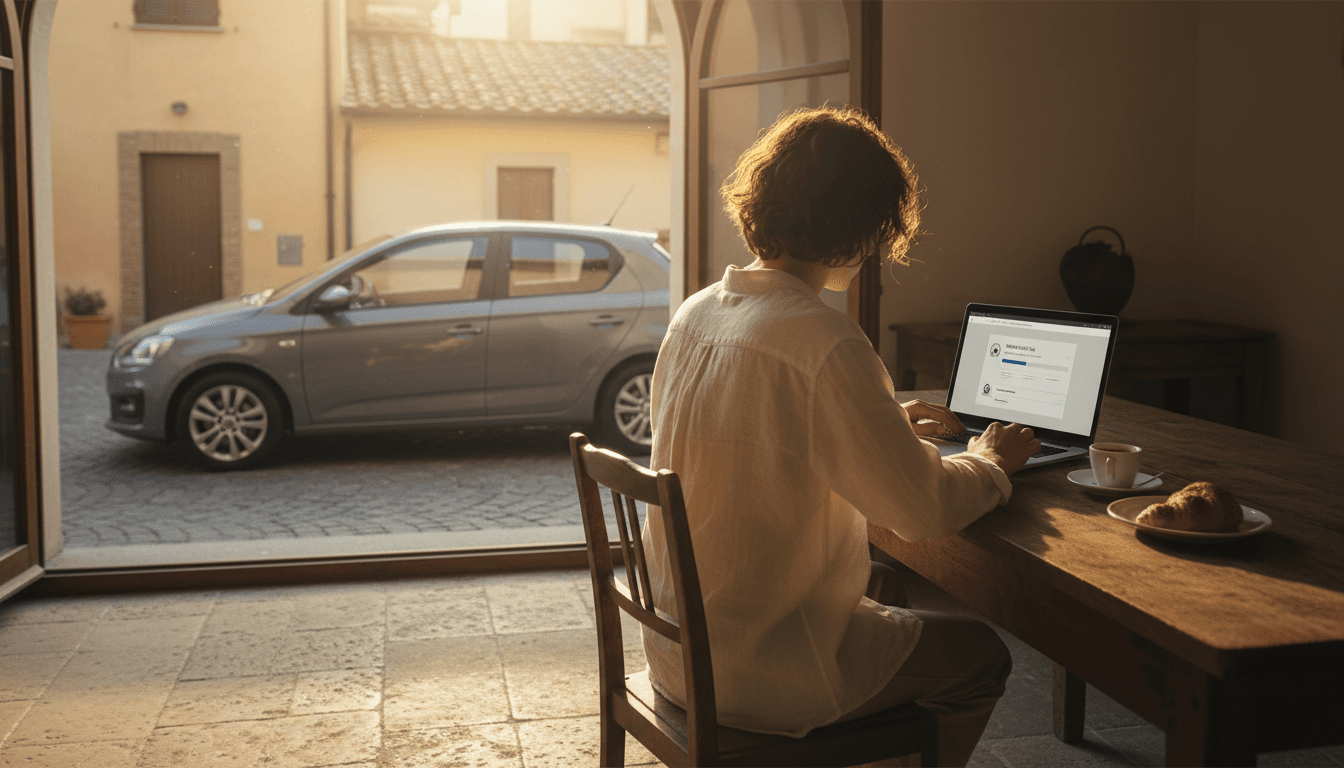
Paying the Italian car tax, the bollo auto, online is now the fastest way to stay legal: you need the plate number, a digital ID and a few minutes. The catch is that there are many channels, fees vary, and picking the wrong service can cost you time or a double payment. This guide covers how to pay, how to check the amount and what to verify before you confirm.
How the bollo is calculated
The bollo is a regional tax tied to the vehicle's power. It is based on the kW shown on the registration certificate, and decimals are dropped: a car rated at 47.80 kW is taxed as 47 kW. If the kW figure is missing, the maximum horsepower is used instead. For cars above 100 kW you pay the base amount up to 100 kW plus the kW above that at a higher rate. Above 185 kW a surcharge called the superbollo applies, paid separately.
Since 2007 the EU emissions class also matters: the older the class, the more you pay. Electric, methane, LPG and hydrogen vehicles are excluded from that differentiation. Each region can also set its own exemptions or reductions, for instance for electric cars in their first years, so the same model can cost different amounts depending on where the owner lives.
Payment channels
Almost every service runs on pagoPA, Italy's public payment platform. The main options are:
- the ACI portal (the online bollo payment service, known as BolloNet), with login through SPID, CIE or CNS;
- your region's own website, where online payment is available;
- online banking, if your bank supports pagoPA;
- the IO app, by scanning the notice's QR code or typing in the details;
- post offices, tobacconists and authorised shops, ACI branches and car-paperwork agencies.
The ACI online service only covers participating regions, and features differ: some allow only the current payment, others also past periods or a view of earlier payments. The fee depends on the payment service provider you choose and is shown before you confirm, so it pays to compare.
Paying online, step by step
- Log in to the ACI portal or your regional site with SPID or CIE, which pulls in the vehicle data automatically.
- Enter the plate and vehicle type, then choose the payment type, such as renewal or first payment.
- Check the calculated amount against the official ACI calculator or your region's tariff table.
- Pick the payment provider, looking at the fee.
- Confirm and download the pagoPA receipt straight away. Keep it: it is your proof if the regional database is slow to update.
The superbollo works differently: ACI provides a tool that fills in the F24 form for you.
The most common mistakes
The usual slips are simple but costly:
- selecting the wrong taxing authority, meaning a region other than your own;
- confusing the bollo with other items in your banking app, such as insurance or tolls;
- entering the wrong year or due date;
- paying the same notice twice;
- using a pagoPA notice that has already expired.
If a search by plate returns no notices, that does not mean nothing is owed. It only means there is no pre-filled notice, and you must set up the payment manually with plate and due date.
Deadlines and the new rules for new registrations
The standard rule is that the bollo is due by the end of the month after the one in which it expires: if it expires in July, you pay by 31 August. If you tend to forget, ACI offers a free reminder service, RicordaLaScadenza, that sends an email or text a few days before.
A reform is under way that, for vehicles registered from 2026, sets the first payment by the last day of the month after registration, with fixed yearly deadlines in the registration month and a single annual payment. According to trade press, vehicles already registered on 31 December 2025 stay under the current regime, but sources disagree on the exact start date in every case, so check your region's or ACI's website before relying on the new calendar.
If you paid but the system does not show it
Payments sometimes take a while to appear. Wait a few days, then keep the receipt and contact your regional authority or an ACI branch, quoting the unique payment identifier. For duplicate or undue payments, refunds depend on regional rules, and the ACI Gov portal collects refund and exemption requests.
If you are late instead, the system can calculate penalties and interest automatically, but not every channel handles past years the same way: in that case use the ACI or regional portal that supports payment by plate and a past due date. If several years have gone by, also read our guide to unpaid bollo and the ravvedimento procedure.
The bollo when you buy a used car
If you are buying a used car in Italy, ask the seller for recent payment receipts and check the bollo status by plate before you sign. The debt follows the vehicle, not the person, and an arrears problem becomes yours after the ownership transfer. Checking is free and takes a minute, so do it before agreeing on the price. Power also matters: some regions grant exemptions for lower-power cars in their first years, but only where the rules say so, so always check the rules of the place where you will register.
Final checklist before you pay
- plate and tax code match the registration papers;
- year and payment type are correct;
- the amount matches the official ACI or regional calculation;
- the authority shown is your region or autonomous province;
- you compared the fees of the payment providers;
- you saved the receipt as a PDF with a backup copy.
In short: use SPID or CIE, pay through pagoPA, compare fees, download the receipt and confirm the exact deadline on your regional site. Follow these steps and the bollo is settled in five minutes, with no penalties.
Sources and further reading
Amounts and deadlines can vary by region, so always check the official site before paying. [1] [2] [3] [4]
Further reading
Related articles
Italy Home EV Charger Bonus 2026: Apply Now
From today, 22 September 2026, Italian residents and condominiums can apply for a grant covering 80% of the cost of installing a home EV charger, up to 1,500 or 8,000 euros. Here is how it works, and why it matters even if the car you're buying is used.

Electric car tax in Italy 2026: what you pay by region
Five years of national exemption, then it is down to the region: from zero euros in Turin to hundreds elsewhere for the identical used EV. Here is how the 2026 electric car tax really varies by region.