LPG and Methane Retrofit Incentive Reopens July 29: What It Means for Used Car Buyers and Sellers
From noon on July 29, 2026, the 400-euro LPG and 800-euro methane retrofit vouchers are bookable again: here is who should convert, and what it means for anyone buying or selling a used gas-powered car.
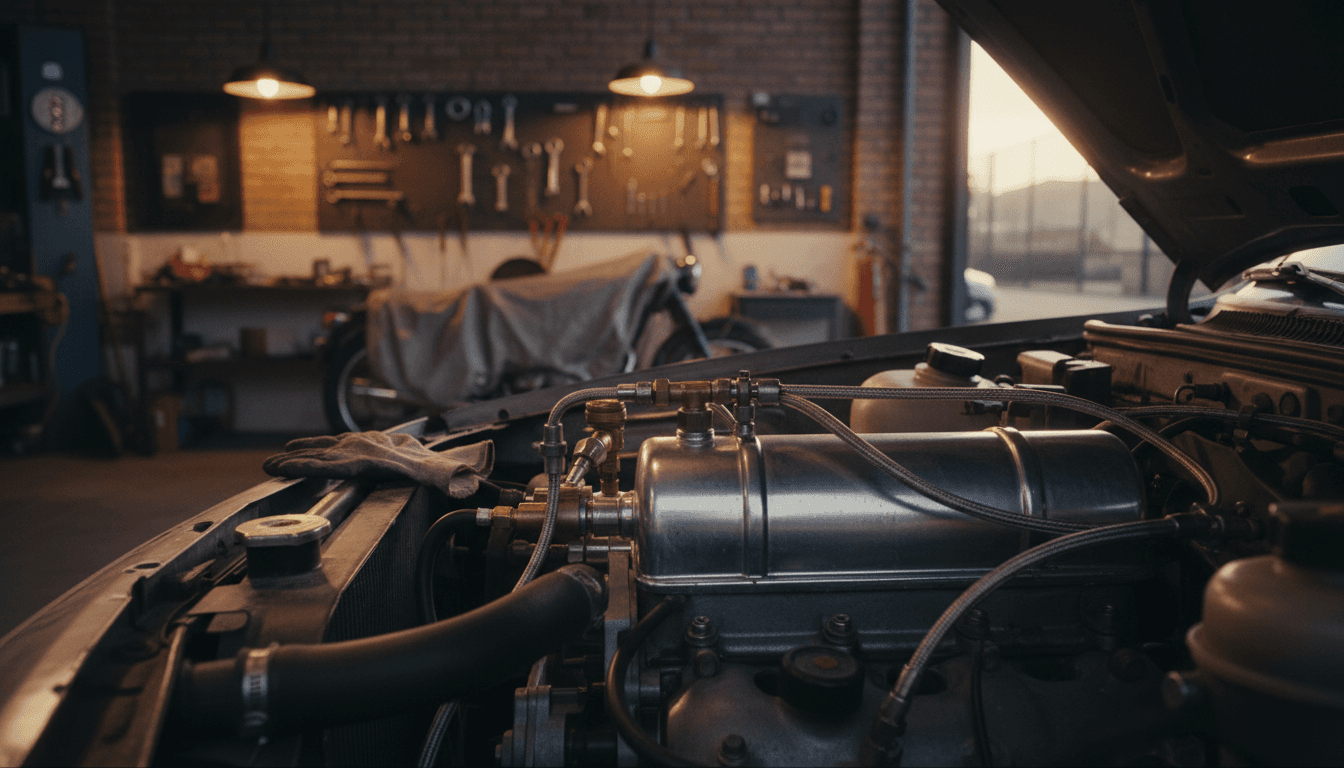
What changes from July 29, 2026
At noon on Wednesday, July 29, 2026, the LPG and methane retrofit channel reopened on the ecobonus.mimit.gov.it portal, alongside the one for low-emission commercial vehicles. It is the first useful window of 2026 for anyone who wants to convert their car to a cheaper fuel and get an immediate discount on the invoice. The budget allocated for retrofit is 4 million euros, assigned in chronological order until exhausted: as has happened before with this kind of measure, whoever books first through an authorized installer is guaranteed the contribution, while those who wait risk being shut out within a few weeks.
The contribution is fixed and applied directly as a discount on the price of the job: 400 euros for an LPG system, 800 euros for a methane system. It can be requested by individuals and companies installing a new system, type-approved under Italian regulations or UNECE Regulation No. 115, on category M1 vehicles no older than Euro 3. The incentive cannot be combined with other Ecobonus contributions already received on the same vehicle, and the booking must be made by the authorized workshop or installer, not directly by the owner.
Who actually benefits from converting
For anyone selling or buying used on VendiVoce, this touches a very concrete slice of the market: a large share of the Euro 3, Euro 4 and Euro 5 petrol cars still on Italian roads today is compatible with retrofit. Converting a car to LPG costs on average between 1,000 and 2,000 euros, while methane runs 1,500-2,000 euros; with the bonus, the real discount on the job reaches 30-40% for LPG. These numbers change the math especially for high-mileage drivers: LPG delivers fuel savings of 45-55% compared with petrol, around 600 euros every 10,000 km, and the break-even point sits at roughly 29,000 km driven. Someone doing 15,000 km a year recoups the investment in under two years; anyone doing far less might be better off looking at other options, including simply buying a used car that has already been converted.
Moving fast matters
The window opens and closes quickly when funds are this limited. Anyone interested should contact an authorized LPG or methane installer right away, confirm the vehicle meets the requirements (emissions class, M1 category, no previous Ecobonus contribution already claimed on it), and get the incentive booking started before the budget runs out. With just 4 million euros available nationwide, the number of accepted applications will be limited: in previous rounds of similar measures, the funds were committed within a few weeks of opening.
Buying a used LPG or methane car: the other route
Not everyone has the time or inclination to manage a conversion. For anyone shopping for a used car on VendiVoce, the alternative is buying a vehicle that already runs on gas. The used market tells a clear story: in the first half of 2026, alternative gas fuels reached 5.2% of used-car transactions, the highest share in Europe, driven mostly by LPG. Methane, by contrast, remains a sharply shrinking niche when it comes to new cars, just 4 registrations in 2025 versus 1,242 in 2024, but that is precisely why used prices stay attractive for anyone with a convenient filling station nearby and high annual mileage. LPG, on the other hand, can rely on a network of more than 4,000 filling points across Italy, far more widespread than methane, a factor worth weighing for buyers outside major cities.
What to check before converting or buying
Before committing to a conversion, it is worth checking two things: the condition of the engine, since an LPG or methane system only makes sense on a mechanically sound car expected to last several more years, and the maintenance costs of the system itself, starting with the periodic tank inspection (every 10 years, between 300 and 900 euros) and the checks required under current regulations. Anyone buying a used car that has already been converted should always ask for the system's documentation, the date of the last tank inspection, and the type-approval certificate. These are details worth stating clearly in a VendiVoce listing, because they are the difference between a genuine bargain and a problem postponed by a few months, and they help sellers ask a fairer price than for a gas car with no paperwork to show.
With the click day already open and a budget set to run out fast, the window to take advantage of the bonus is short. But even for those who miss it, the underlying message still holds: on Italy's used car market, gas keeps gaining ground, and knowing the numbers and deadlines helps buyers and sellers act with more confidence.
Further reading
- Al via l'Ecobonus per i veicoli commerciali a basse emissioni e al retrofit GPL/Metano — MIMIT - Ministero delle Imprese e del Made in Italy
- Ecobonus retrofit Gpl e metano, dal 29 luglio 2026 riaprono i contributi per trasformare l'auto — Motor1 Italia
- Bonus GPL e metano 2026: fino a 800 euro per convertire l'auto usata — Quattroruote
- Ecobonus veicoli commerciali: al via gli incentivi per basse emissioni e retrofit GPL/metano — Teleborsa
- Ecobonus 2026, al via gli incentivi per veicoli commerciali e retrofit GPL-Metano: chi può beneficiarne e come funzionano — Consumerismo.it
- Il mercato dell'usato in Italia nel 1° semestre 2026 — Carvago Blog
- Auto a metano usate 2026: conviene ancora? Costi e modelli — Autosupermarket
Related articles
Italy Home EV Charger Bonus 2026: Apply Now
From today, 22 September 2026, Italian residents and condominiums can apply for a grant covering 80% of the cost of installing a home EV charger, up to 1,500 or 8,000 euros. Here is how it works, and why it matters even if the car you're buying is used.
Electric car tax in Italy 2026: what you pay by region
Five years of national exemption, then it is down to the region: from zero euros in Turin to hundreds elsewhere for the identical used EV. Here is how the 2026 electric car tax really varies by region.