Italy's 2026 LPG and Methane Retrofit Bonus: How the Up-to-800 Discount Works, and What It Means If You Own or Are Buying a Used Car
From 29 July 2026, Italian workshops can book an invoice discount of 400 euros for LPG conversion and 800 euros for methane. How the bonus works, when it actually pays off, and what to check before buying a used LPG or methane car.
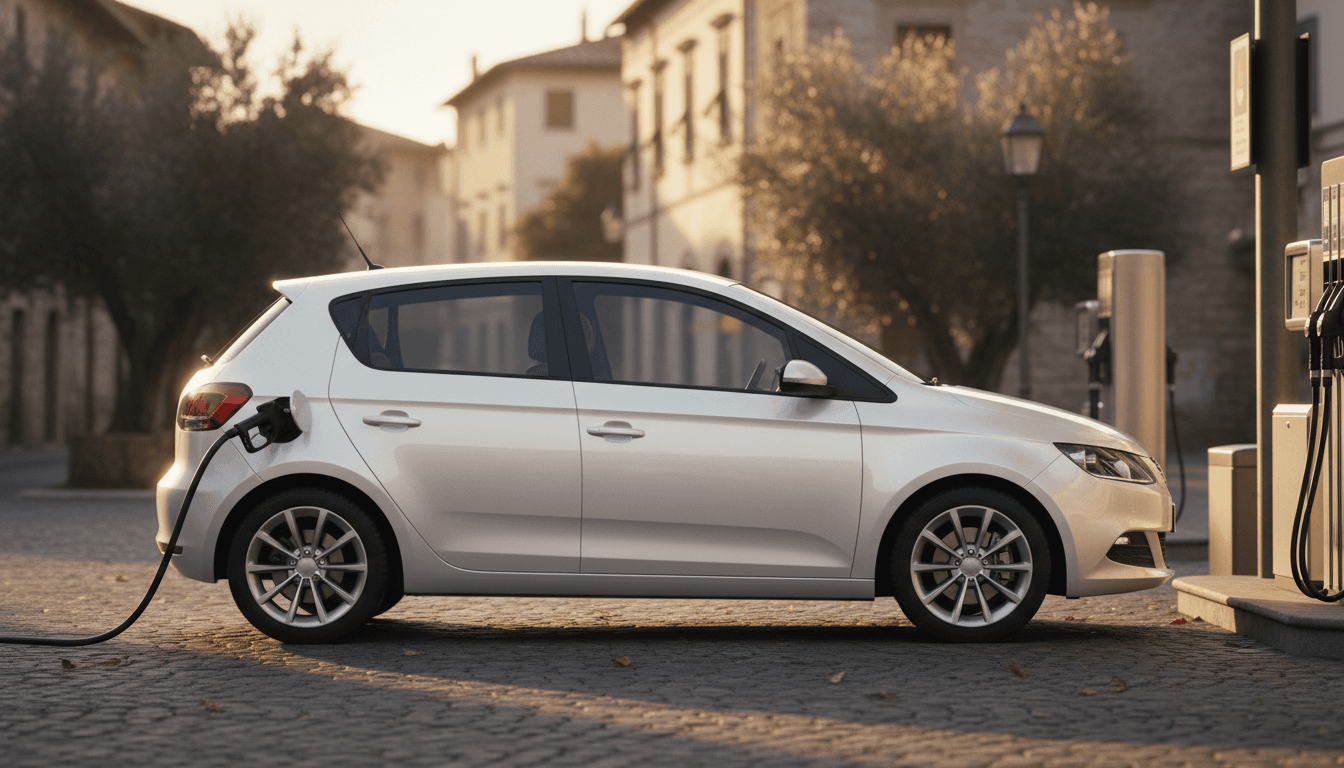
What changes from 29 July 2026: Italy brings back the LPG and methane bonus
After months of anticipation, Italy's Ministry of Enterprise and Made in Italy has published the decree reviving state incentives for converting already-registered cars to gas. From noon on Wednesday 29 July 2026, authorized workshops can book, through the Ecobonus platform, an invoice discount of 400 euros for installing an LPG system and 800 euros for switching to methane [1]. The measure, in force since early July, puts roughly 21 million euros on the table through 2030, with just 4 million earmarked for 2026 alone [1][2].
That is not a minor detail: industry estimates suggest this year's pot covers little more than 10,000 conversions, in a country with over 3.2 million cars already running on dual petrol-LPG fuel [5]. Anyone hoping to use it should move quickly.
Who qualifies, and which cars are eligible
The bonus is open to both private individuals and businesses or professionals using the vehicle for work. Only car dealers and traders of M1-category vehicles are excluded [3]. On the car side, you need an already-registered M1 passenger vehicle, certified at least Euro 3, that is not already fitted with an LPG, methane or dual-fuel system. Eligible emissions classes run from Euro 3 to Euro 6 [3], so cars with a few years on the clock can qualify too, as long as they pass their regular roadworthiness inspection.
The installed system must be brand new, complete, and traceable to a single manufacturer: no mixing components from different brands into one kit, and it must carry Italian type-approval or approval under UN Regulation No. 115 [4]. It's a safety-and-traceability requirement, but it narrows the field to certified workshops and kits.
How it actually works: no reimbursement to wait for
The most interesting part, for anyone who has chased a state incentive before, is the mechanism. There's no application to file and no refund to wait for: the affiliated workshop checks fund availability, books the incentive on the Ecobonus platform, and applies the discount directly on the invoice at the time of installation. The workshop then recovers the amount as a tax credit [4]. For the car owner, the bonus simply means a lighter bill, with no paperwork to chase.
Does converting a used car to LPG or methane actually pay off?
Fitting an LPG system today typically costs between 1,200 and 2,000 euros, up to 2,500 for more sophisticated kits, so the 400-euro bonus covers roughly a fifth of the bill [7]. The math works best for high-mileage drivers: with LPG priced around 0.70-0.80 euros a litre against petrol that stays above 1.70 euros, someone driving at least 15,000-20,000 km a year can save 600 to 800 euros annually, even accounting for consumption running 10-20% higher in litres than petrol [7]. Above 25,000 km a year, savings top 1,300 euros, with the investment paying back in two to three years [7]. Methane, with a smaller network of stations but even cheaper fuel, tends to suit drivers with predictable routes near known refuelling points.
Low-mileage drivers, by contrast, rarely recoup the cost in a reasonable time; the bonus helps, but it doesn't flip the underlying economics.
Buying a used LPG car: the checklist most buyers skip
This matters directly to used-car shoppers too: Italy's used LPG fleet remains large, even as new LPG registrations have been trending down in recent years as hybrids gain ground. Before signing anything, three things on the logbook and the tank are worth checking:
- Tank replacement: by law, the cylinder must be replaced every 10 years from the date the system was certified (5 years for the older, now rare, DGM national type-approval). If that deadline is close, factor it into the negotiated price.
- System inspection: the first check happens 4 years after registration, then every 2 years; without a valid inspection, the car fails its periodic roadworthiness test and can't legally circulate.
- Registration paperwork: an aftermarket system not recorded on the vehicle's logbook is a bureaucratic, and often insurance, headache best resolved before the purchase, not after you've paid for it.
On a platform like VendiVoce, where every listing starts from a video the seller narrates in person, asking the seller to film the tank's label and the logbook page covering the gas system is a simple way to check these details before ever seeing the car in person.
The catch: modest funding against much larger potential demand
The real limit of this measure isn't its requirements, which are fairly broad, but its budget: 4 million euros for 2026 is a modest sum against a much larger pool of convertible cars. Industry groups have welcomed the incentive's return after a decade in which gas conversions are estimated to have collapsed by around 82% between 2012 and 2025, but they describe it as a first step rather than a structural fix [6]. Anyone wanting to use it should contact an authorized workshop as soon as possible: once the annual budget runs out, requests go on a waiting list until the next allocation.
The practical takeaway
With EV purchase incentives having run dry at the end of June 2026, the LPG and methane retrofit bonus is now the only active state incentive for cutting fuel costs without buying a different car. It isn't for everyone: it rewards high-mileage drivers who can find a workshop with funding still available. But for anyone who owns, or is about to buy, a petrol or diesel car with a few years on it, this is 2026's first real chance to bring down the cost of a fill-up.
Sources
- Quattroruote, Bonus GPL e metano 2026: fino a 800 euro per convertire l'auto usata, 28 July 2026
- L'Espresso, Ecco gli incentivi per Gpl e metano: 21 milioni per convertire l'auto a gas, 29 June 2026
- Sky TG24, Bonus Gpl 2026, incentivi per convertire l'auto a gas: a chi spettano, 1 July 2026
- M3 Motorcube, Incentivi retrofit GPL e metano 2026: bonus fino a 800 euro, requisiti e come fare domanda, 30 July 2026
- Luigi Melita, Incentivi retrofit GPL e metano: sconto in fattura da 400 e 800 euro, ma i fondi 2026 bastano per 10.000 conversioni, 29 July 2026
- Motorionline, Incentivi retrofit auto 2026: tornano i bonus per la conversione a GPL e metano, 2 July 2026
- Donne in Auto, Costo impianto GPL: quanto costa davvero nel 2026 e quando conviene, March 2026
Further reading
- Bonus GPL e metano 2026: fino a 800 euro per convertire l'auto usata — Quattroruote
- Ecco gli incentivi per Gpl e metano: 21 milioni per convertire l'auto a gas — L'Espresso
- Bonus Gpl 2026, incentivi per convertire l'auto a gas: a chi spettano — Sky TG24
- Incentivi retrofit GPL e metano 2026: bonus fino a 800 euro, requisiti e come fare domanda — M3 Motorcube
- Incentivi retrofit GPL e metano: sconto in fattura da 400 e 800 euro, ma i fondi 2026 bastano per 10.000 conversioni — Luigi Melita
- Incentivi retrofit auto 2026: tornano i bonus per la conversione a GPL e metano — Motorionline
- Costo impianto GPL: quanto costa davvero nel 2026 e quando conviene — Donne in Auto
Related articles
Italy Home EV Charger Bonus 2026: Apply Now
From today, 22 September 2026, Italian residents and condominiums can apply for a grant covering 80% of the cost of installing a home EV charger, up to 1,500 or 8,000 euros. Here is how it works, and why it matters even if the car you're buying is used.

Electric car tax in Italy 2026: what you pay by region
Five years of national exemption, then it is down to the region: from zero euros in Turin to hundreds elsewhere for the identical used EV. Here is how the 2026 electric car tax really varies by region.