Google Assistant Retires, Gemini Takes the Wheel: What It Means for Owners (and Buyers) of Connected Cars
From September 4, 2026 Google is retiring Assistant from Android Auto in favor of Gemini. Here is which cars are affected, why the Italian rollout is lagging and English-only, and what to check before buying a used car with Google-based infotainment.
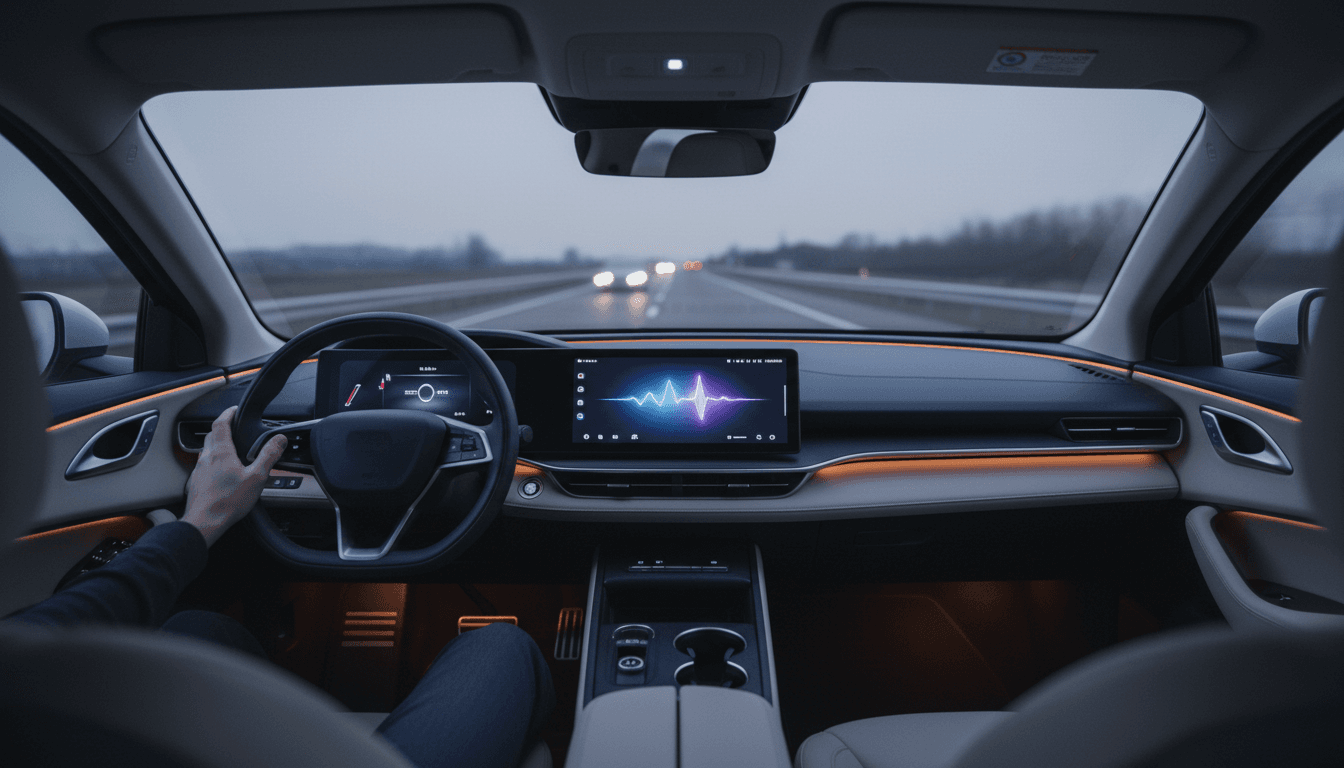
September 4, 2026: Google Assistant retires, and the change reaches your car
Starting in September 2026, Google began pulling Google Assistant from phones, tablets, Wear OS watches, earbuds and, crucially for drivers, from Android Auto. The rollout takes several weeks, and once it hits a given device there is no way back: Gemini, Google's generative AI platform, takes over, built to handle more complex requests and hold more natural conversations than the old voice assistant ever could. Google originally promised to finish this transition by the end of 2025, then pushed it back because Gemini was not yet ready to cover everything Assistant did, a telling sign that the switch has not been painless even on Google's own timeline.
Android Auto and Google built-in are not the same thing, and the difference matters when you buy used
For anyone selling or buying a car, one technical distinction matters more than any other: Android Auto simply mirrors your smartphone onto the car's screen, so the voice assistant lives on the phone and changes whenever the phone updates, not the car. Cars with Google built-in (running the Android Automotive operating system) instead carry an onboard computer with Google embedded directly in the vehicle, independent of any phone, which means the manufacturer has to push a model-specific over-the-air update before Gemini shows up. These are two entirely separate update paths, and on a used car it is worth figuring out which one you are actually dealing with before assuming everything will behave the way it did in the showroom.
Which brands already have Gemini on board
The switch to Gemini on Google built-in systems started ahead of the September 4 date and is rolling out brand by brand. General Motors led the way on Buick, Cadillac, Chevrolet and GMC from model year 2022 onward, covering roughly 4 million eligible vehicles in the United States. Volvo has brought Gemini to most of its Google built-in lineup, from the C40 to the EX40, EC40, XC40, S60, V60, XC60, V90, S90, XC90, EX90, ES90, EX30 and EX60. Polestar has received the update across its full US lineup too. Renault is among the first European brands to move: the Megane E-Tech Electric, Austral, Scenic E-Tech Electric, Espace and Rafale, all running the openR link infotainment system built on Android Automotive, are on the list of models affected by the assistant switch.
Italy is getting the rollout late, and for now only in English
This is the part an Italian buyer needs to keep in mind: the Gemini rollout on Android Auto started in the United States, in English, and is only gradually reaching other markets and languages, with no firm timeline from Google. That means an Italian driver could end up, for weeks or months, with Google Assistant already switched off on their phone or car and Gemini still unavailable in Italian on that particular channel, a genuine gap during which some voice features may feel more limited than usual, regardless of how new the car is.
Gemini's early growing pains behind the wheel
Even where the rollout has already landed, the handover has not been smooth. A number of users, especially in the United States where the update is further along, report that Gemini does not always talk to Android Auto's integrated apps properly: a voice command starts, then the task stalls halfway through, particularly for simple requests like sending a direct command to a connected device. There is also a known limitation carried over from earlier testing: without a data connection, fewer features are available than under the old Assistant, which could handle some basic tasks offline. In a country with plenty of patchy coverage, mountain tunnels, rural stretches, some underground garages, that is not a minor detail for anyone who relies on voice assistance every day behind the wheel.
What this means if you are buying or selling a connected used car
Anyone shopping for a used car with advanced infotainment now has a few practical questions worth asking before signing anything:
- Check whether the onboard system is Android Auto (phone projection, standard on most cars sold from 2018 onward) or Google built-in embedded in the vehicle itself: in the first case the assistant depends on the buyer's own phone, in the second on the manufacturer.
- For Google built-in cars, ask the seller whether the manufacturer is still pushing software updates for that specific model and year: a model that has been out of production for a while may never receive Gemini at all, leaving its voice features to gradually fall behind.
- During the test drive, actually run the voice assistant through real commands, navigation, messages, calls, and check what happens with no data connection by temporarily switching off mobile data on the paired phone.
- Ask whether the seller has noticed any recent glitches tied to the assistant transition: this in-between phase, with Gemini still maturing across different car models, is exactly when such issues tend to surface most often.
- Remember that once Assistant is removed from a device there is no going back: there is no shortcut to restore the old system if the new one turns out to be inconvenient in its first few months.
The practical takeaway
Swapping Google Assistant for Gemini is not just a story for tech enthusiasts: it changes how thousands of cars, new and used, communicate with the person driving them. Anyone buying a used car with Google-based infotainment should treat this transition as one more thing to check during negotiation, the same way you would check the service record or battery health: a voice system that works well today could behave differently a few months from now, and whether a car runs Android Auto or Google built-in decides who actually controls that update, the manufacturer or the driver's own phone.
Sources
- Google Assistant va in pensione: sulle auto arriva Gemini, Motor1 Italia [1]
- L'IA manda in pensione l'Assistente Google, sara sostituito ovunque da Gemini, ANSA [2]
- Google Assistant is disappearing from Android Auto soon, and Gemini isn't ready to replace it, XDA Developers [3]
- Addio Google Assistant in auto anche su Android automotive: arriva Gemini, TuttoAndroid [4]
- Gemini su Android Auto resta lento: a quattro mesi dal rollout molti utenti sono ancora senza, AndroidLab [5]
- Using Google apps and services built into your car, Google Support [6]
- Google Gemini arriva sulle auto Volvo e Polestar: cosa cambia a bordo, TecnoAndroid [7]
- Gemini sostituisce Google Assistant nei veicoli Renault con sistema multimediale openR link integrato, Derapate [8]
Further reading
- Google Assistant va in pensione: sulle auto arriva Gemini — Motor1 Italia
- L'IA manda in pensione l'Assistente Google, sara sostituito ovunque da Gemini — ANSA
- Google Assistant is disappearing from Android Auto soon, and Gemini isn't ready to replace it — XDA Developers
- Addio Google Assistant in auto anche su Android automotive: arriva Gemini — TuttoAndroid
- Gemini su Android Auto resta lento: a quattro mesi dal rollout molti utenti sono ancora senza — AndroidLab
- Utilizzare le app e i servizi Google integrati nella tua auto - Cars with Google built-in — Google Support
- Google Gemini arriva sulle auto Volvo e Polestar: cosa cambia a bordo — TecnoAndroid
- Gemini sostituisce Google Assistant nei veicoli Renault con sistema multimediale openR link integrato — Derapate
Related articles
Used cars: physical buttons or touchscreen?
From January 2026 Euro NCAP penalises cars that hide indicators, the horn and hazard lights inside touch menus. What that means if you are buying a used car from the all-touch years, and what to check before you sign.

Buying a Used Car With a Black Box: 2026 Guide
Buying a used car that already has an insurance black box installed is not a problem, but it is not an automatic perk either: the discount and the driving history stay with the previous owner. What Italy's 2024 data-portability law actually changed, and what to do before and after the ownership transfer.