Italy's 2026 Fuel Station and Car Insurance Reform: What It Means for Used Car Buyers and Sellers
Italy's government has approved a fuel-station network reform with 120 million euros for EV charging conversions and a mandate to make car insurance more risk-based: here's what it means for used car buyers and sellers.
What the government just changed
On 23 July 2026, Italy's Council of Ministers approved the annual Competition Bill (Ddl Concorrenza), which includes a structural overhaul of the country's fuel station network. Business Minister Adolfo Urso called it a historic turning point, one the sector had been waiting years for. The stated goal is fewer fuel stations, but bigger and more modern ones, capable of offering lower prices and better service in a network regulators consider excessively fragmented compared with the rest of Europe.
Nearly 120 million euros to convert pumps into charging points
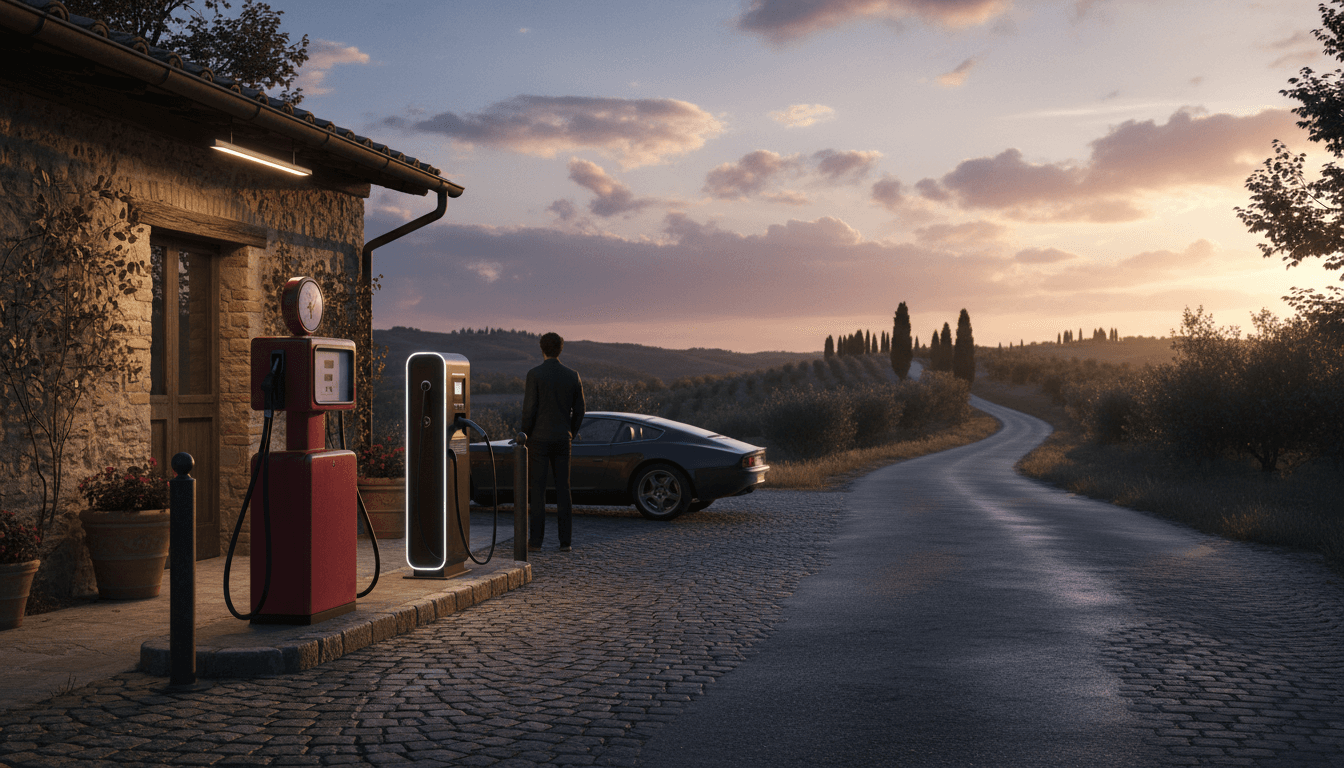
For everyday drivers, the part of the reform that matters most is the conversion incentive. The government has set up a fund worth 120 million euros, split into 40 million a year between 2028 and 2030, financed through revenue from CO2 emissions-allowance auctions. Station owners who convert their site into an EV charging hub, or into a biofuel distribution point, can claim a grant covering 50 percent of the costs, up to a cap of 60,000 euros. Owners who close down instead of converting are entitled to compensation of up to 20,000 euros. From 2028, every new authorization for a fuel station will also require at least one alternative-fuel option on site: electricity, biofuels, or hydrogen. The old system of tacit approval is being replaced with explicit municipal authorization, which should slow the opening of new conventional pumps while speeding up the rollout of charging points.
Car insurance: risk will start to matter more than your postcode
The bill also hands the government a mandate to reform mandatory car insurance, known in Italy as RC Auto, with three stated goals: pricing premiums more in line with actual risk, improving the direct-compensation claims system, and cracking down on insurance fraud. A revision of the bonus-malus system is also planned, intended to reward careful drivers more consistently and to narrow the long-standing regional gap in premiums that has historically hit drivers in southern Italy and newly licensed motorists hardest.
If you're selling a used car
Anyone listing a used diesel or petrol car, especially in a smaller town or rural area, would be wise to keep an eye on how the local fuel network evolves over the coming years. Rationalizing the network doesn't mean pumps vanish overnight, but some areas could see fewer conventional fueling points over the medium term, a factor increasingly attentive buyers already weigh when evaluating a combustion car. On the flip side, anyone selling an electric or plug-in hybrid in an area where the charging network is expanding now has an extra selling point: as charging convenience grows, so does the appeal of the used-EV market.
If you're buying a used car
For buyers, the reform adds two new variables to the cost-benefit calculation. The first is infrastructure: before choosing between a used combustion car and a used EV, it's worth looking not just at today's charging situation in your area but at the conversion plans scheduled for 2028 to 2030. The second is insurance: if RC Auto pricing becomes more tied to individual risk, drivers with a clean record living in lower-risk areas could see cheaper premiums, a detail worth factoring in when comparing two similarly priced used cars with different insurance profiles.
A realistic timeline
It's worth keeping expectations grounded. The 120 million euro fund covers 2028 to 2030, and the alternative-fuel requirement for new authorizations also kicks in from 2028. The RC Auto mandate still needs to be turned into implementing decrees, a process that in Italy typically takes months, if not years. Nobody buying or selling today should expect fuel prices or insurance premiums to shift overnight, but it's a good moment to start planning purchases and sales with a two-to-three-year horizon in mind.
Practical takeaways for the used-car market right now
If you're selling: for an electric or hybrid vehicle, it's worth mentioning nearby charging points in your listing, a detail that will only grow more relevant. If you're buying: before finalizing a combustion car purchase in a peripheral area, ask the local station operator directly about conversion plans. And for everyone, now is a good time to start comparing RC Auto quotes across insurers, since the price gap between similar risk profiles may widen before the reform settles into a fairer baseline.
Further reading
- Il governo vara il Ddl concorrenza con la riforma della rete carburanti — ANSA
- Comunicato stampa del Consiglio dei Ministri n. 182 — Governo Italiano - Presidenza del Consiglio dei Ministri
- Ddl Concorrenza: via libera del Cdm alla riforma della rete carburanti. Urso: svolta storica — Ministero delle Imprese e del Made in Italy
- DDL Concorrenza 2026: cosa cambia per RC Auto e distributori di carburante — Quattroruote
- Rete carburanti, arriva la riforma: 120 milioni per colonnine elettriche e biocarburanti. Rc Auto piu' in linea con i rischi — Uomini e Trasporti
- Ddl Concorrenza, il Consiglio dei Ministri approva la riforma della rete carburanti. Urso: una svolta storica — GestoriCarburanti.it
Related articles
Italy Home EV Charger Bonus 2026: Apply Now
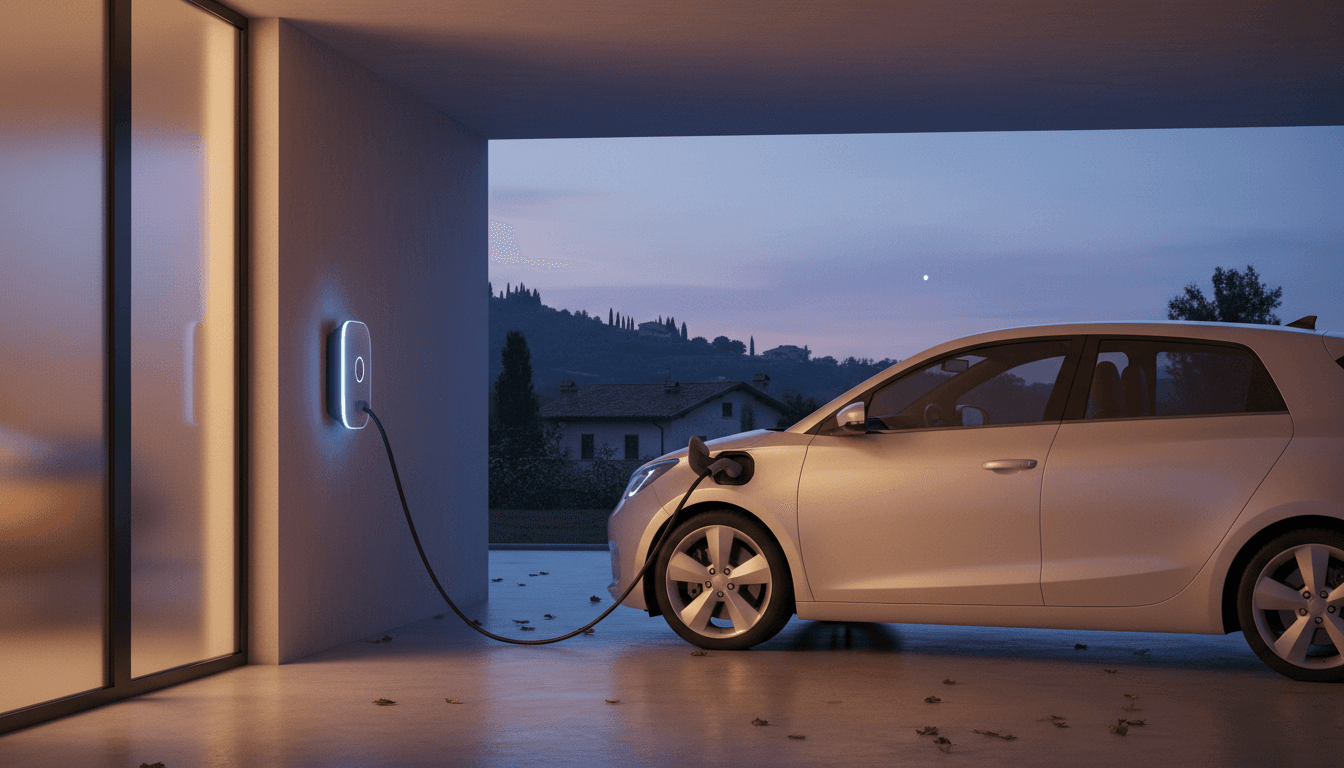
From today, 22 September 2026, Italian residents and condominiums can apply for a grant covering 80% of the cost of installing a home EV charger, up to 1,500 or 8,000 euros. Here is how it works, and why it matters even if the car you're buying is used.
Electric car tax in Italy 2026: what you pay by region
Five years of national exemption, then it is down to the region: from zero euros in Turin to hundreds elsewhere for the identical used EV. Here is how the 2026 electric car tax really varies by region.