Euro 5 diesel ban in Italy: where it applies
Since 1 October 2026 Euro 5 diesels are banned in Lombardy's big cities, scrapped in Piedmont, and unclear in Veneto and Emilia-Romagna. Hours, MoVe-In, costs and what to do if you buy or sell.
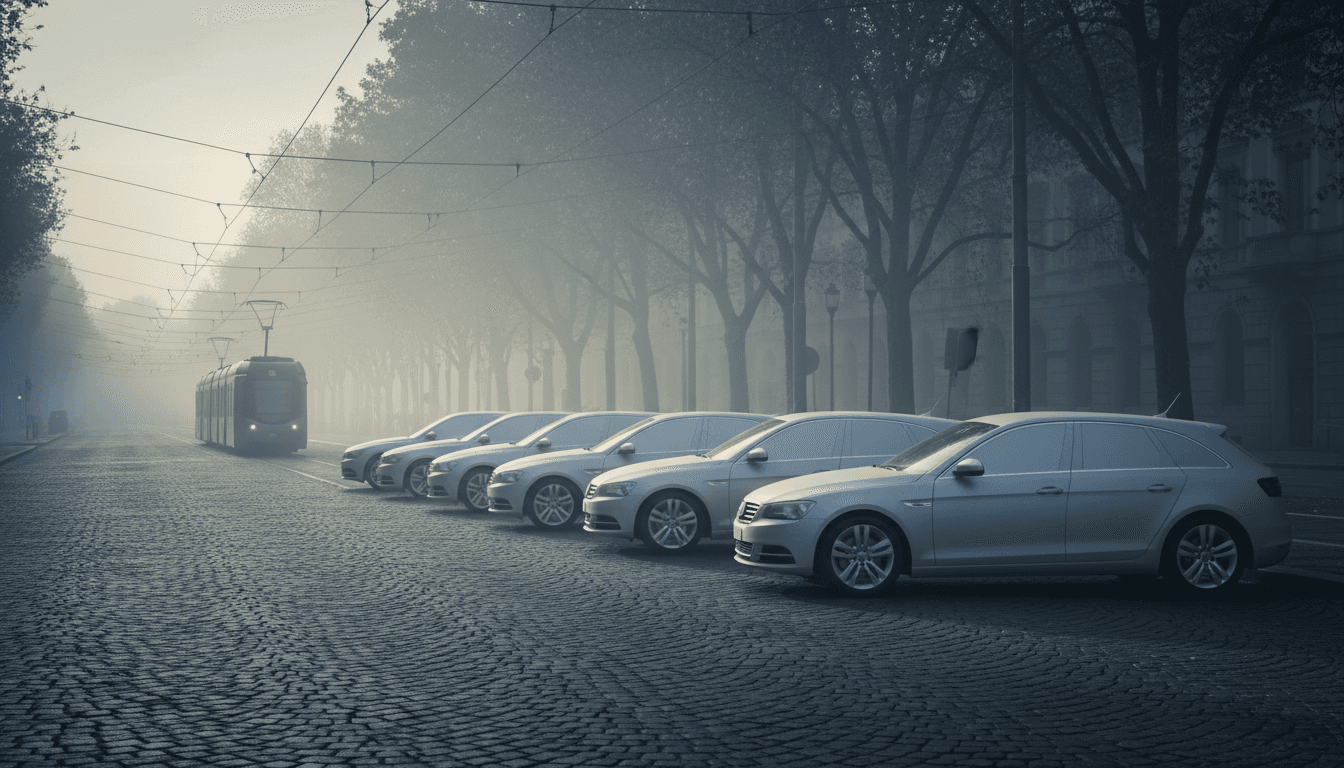
Since 1 October 2026, Euro 5 diesel cars are no longer free to drive in some of northern Italy's biggest cities. But the ban is not the same everywhere: regions have rewritten their plans several times in recent months, and the press does not always agree on the details. This guide sets out what is confirmed, what depends on your municipality, and what to do if you own, or are about to buy, an Euro 5 diesel. [1][2][3]
What the Euro 5 diesel ban actually is
The measure comes from Law 105/2025, which pushed the Po Valley Euro 5 diesel stop back by a year, and from Lombardy's regional resolution XII/4843 of 28 July 2025. It covers diesel passenger cars (category M1) approved to the Euro 5 standard, which means roughly cars first registered between 2011 and 2015. Other vehicle categories follow later: minibuses and medium commercial vehicles from 1 October 2027, everything else from 1 October 2028. [1][3]
Press estimates put the number of cars at risk across the north in the millions, which explains the pressure to delay or soften the ban. Piedmont alone cites about 307,000 Euro 5 diesels affected by the measure it ended up replacing. [2]
Lombardy: the ban is on, all year round
Lombardy is the clearest case. The ban applies in Milan, Monza, Bergamo and Brescia, the municipalities with more than 100,000 residents. It runs Monday to Friday, excluding midweek public holidays, from 7:30 to 19:30, and unlike some other regions it stays in force all year rather than only in winter. [1][2][3]
Milan has a twist: its Area B has restricted many Euro 5 diesels since October 2024, so city residents notice little change. The real news is for people commuting in from the province or from other Lombard cities. [1][2]
MoVe-In: the black-box escape route
If you would rather keep your car, you can join MoVe-In, Lombardy's programme that lets you drive in restricted areas up to an annual kilometre cap, tracked by a black box fitted to the vehicle. Once the kilometres run out, the normal ban applies again. [1]
Costs reported by Quotidiano Motori: at most 50 euros in the first year (30 euros for the black box installation plus 20 euros for the service), 20 euros for renewals, and 20 euros in year one if you already have a compatible black box. Enrolment lasts 12 months and does not renew automatically. [1]
Watch the fine print. First, at the time of the sources we read, the kilometre cap for Euro 5 diesels in the regional area still had to be set by a regional decision. Second, MoVe-In does not cover temporary PM10 emergency blocks and does not guarantee access to ZTL zones. Third, entering Milan's Area B needs a separate exemption, with a reported cap of 2,000 km a year for Euro 5 diesels, and members give up the ordinary Area B access days (50 for non-residents, 25 for residents). [1]
Exceeding the annual cap is costly: the reported fines run from 163 to 658 euros. And if you sell the car, the vehicle goes back to ordinary rules if less than 50% of the cap was used; beyond 50% it is treated as over the limit until the yearly expiry. [1]
Piedmont, Veneto, Emilia-Romagna: a murkier picture
In Piedmont, the structural ban planned for the Turin metropolitan area and Novara does not take effect. The region chose offsetting measures instead, including a 14 million euro fund promoting HVO fuel, with indicative contributions of 50 to 100 euros a year through fuel cards. Temporary measures remain possible during high pollution. [2]
For Veneto and Emilia-Romagna the sources disagree. A July article from Automoto describes seasonal limits: in Veneto from 1 October to 30 April, Monday to Friday, 8:30 to 18:30; in Emilia-Romagna from 1 October to 31 March, same hours, in municipalities above 30,000 residents and the Bologna urban area. Motor1, in a September piece, says these two regions opted for substitute measures and that only Lombardy has the ban. [2][3]
So what should you do? Do not rely on a single outlet. Open your municipality's and region's websites and read the ordinance currently in force. Local rules can be stricter than regional ones and change often.
What to do if you own an Euro 5 diesel
- Check the emissions class on the registration document (field V.9): the Euro class counts, not the registration year.
- Work out how much you really need the car in the city. If you enter a restricted zone only a few days a year, MoVe-In or public transport may be enough.
- If you are selling, expect the ban to weigh on value: an Euro 5 diesel is less attractive to buyers in Milan, Bergamo, Brescia or Monza, but still a fine choice where no limits apply. State the class honestly and where the car has been used.
- If you are buying, always ask for the Euro class and think about where you will drive: a cheap Euro 5 diesel can be the wrong choice if you must enter a Lombard city every day.
The bottom line
The Euro 5 diesel ban is real in Lombardy (Milan, Monza, Bergamo, Brescia, weekdays 7:30 to 19:30, all year), has been scrapped in Piedmont, and depends on local ordinances in Veneto and Emilia-Romagna. MoVe-In is cheap but comes with mileage caps. Before you buy or sell an Euro 5 diesel, check your own area on official sources: it moves the price and usefulness of the car more than almost anything else.
Further reading
- Quotidiano Motori, Move-In Lombardia: how to keep driving an Euro 5 diesel
- Automoto.it, Euro 5 diesel: Piedmont cancels the ban, 13 July 2026
- Motor1 Italia, Euro 5 diesel ban: where and from when
Further reading
Related articles
Winter Tyres in Italy 2026: Rules From 15 November
From 15 November 2026 to 15 April 2027 winter tyres or chains return: where the rule applies, which tyres to choose, speed index and fines.
Italy diesel excise cut ends: what changes Nov 8
Italy's diesel excise cut expired on 7 November 2026: what it was really worth, the history of this year's cuts, and what it means for anyone driving, buying or selling a used diesel.