Car Touchscreens: Italy's New Highway Code Fines and the 2026 Return of Physical Buttons
Italy's Highway Code reform, open for consultation until September 13, proposes fines up to 250 euros for touching or watching an in-car screen while driving, just as Euro NCAP starts penalizing touch-only cars. Here is what it means for used-car buyers.
The touchscreen dashboard paradox
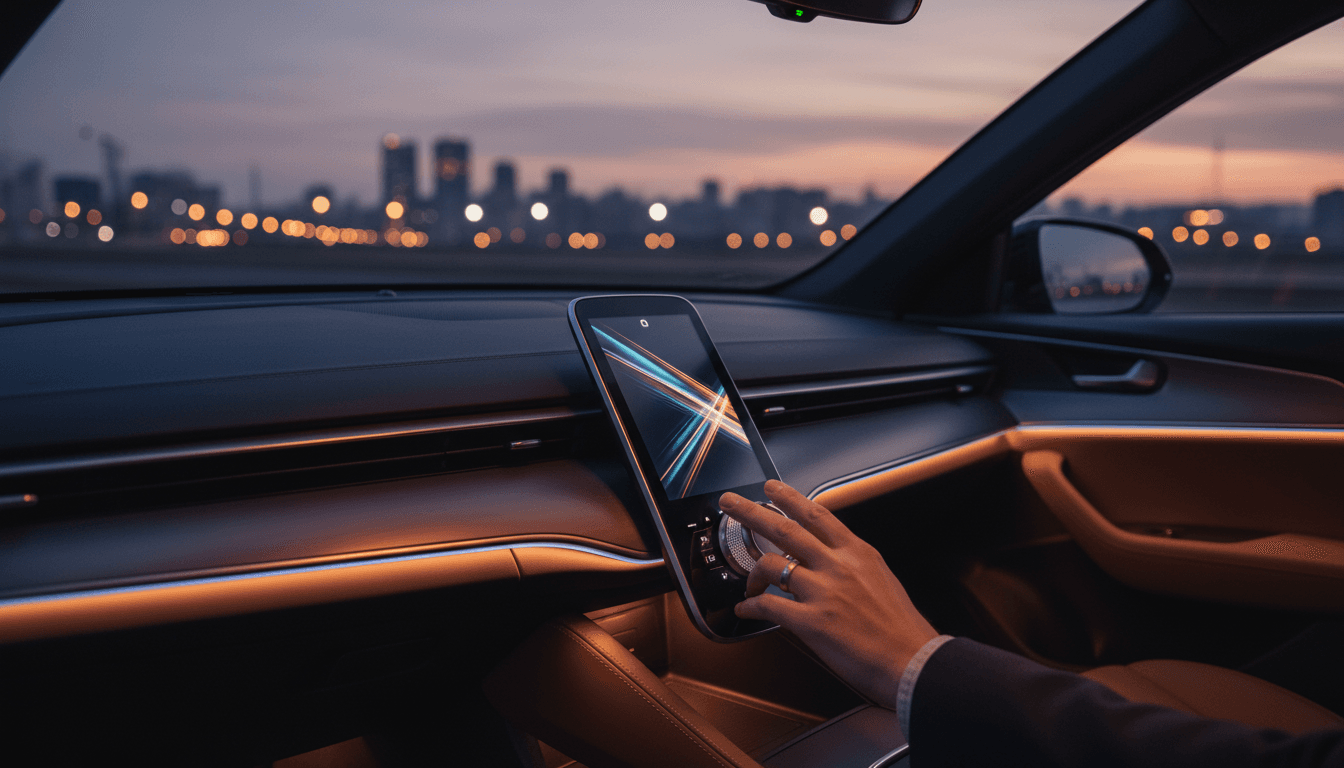
Over the past several years, carmakers raced to strip buttons from dashboards, swapping physical switches for glass and gesture menus that made a cockpit look like a tablet. That trend is now reversing from two directions at once: road-safety regulation and crash-test criteria. In Italy, a draft reform of the Highway Code (Codice della Strada) takes direct aim at screen-related distraction. In parallel, Euro NCAP, the body that awards star ratings to cars sold across Europe, rewrote its scoring rules starting in 2026 [2][6]. For anyone buying or selling a used car, understanding both shifts matters now, because the resale appeal of a touch-only cabin could look different a few years from now.
What the Highway Code reform actually proposes
The reform is still a draft. It is open for consultation until 13 September 2026, and roughly a hundred industry operators and associations can submit comments and amendments before it becomes law [1][3]. So these are not yet penalties in force, but the direction is unmistakable. The guiding principle is that drivers must keep constant attention on the road and avoid anything that pulls their gaze away, whether toward the cabin or outside the car [1]. Hands-free calls stay allowed, along with voice assistants for dictating messages or setting a route, glancing at the navigation screen without touching it, and receiving calls over Bluetooth. Everything else that requires touching or staring at a screen would require pulling over safely first [1][4].
The fines: from 150 to 250 euros, and a suspended licence
The figures circulating in the draft are specific. General distraction, meaning looking away from the road for any cabin-related reason, would carry a 150-euro fine and a 5-point deduction from the driving licence [1]. Using a phone, radio or other radiotelephone device while driving would jump to 250 euros, still with 5 points off, plus a 15-day licence suspension [1]. A separate clause targets drivers who watch video on an in-car screen after bypassing the lockout every manufacturer installs by default to block playback while moving; that carries a proposed 250-euro fine and a 5-point loss [2][4]. That detail matters directly for used-car buyers, since some aftermarket infotainment units on the used market have been modified or unlocked by a previous owner or installer to remove exactly that lockout.
Euro NCAP rewrites the rulebook for 2026
On 27 November 2025, Euro NCAP announced what it calls the biggest overhaul of its protocol since the rating system launched in 2009, effective from January 2026 [6][7]. The headline change concerns the human-machine interface: a car can no longer earn five stars unless it offers physical controls, buttons or stalks, for essential functions like turn signals, hazard lights, the horn, wipers and the emergency call system [2][6]. A screen tap is no longer enough. Euro NCAP now scores the placement, clarity and usability of controls, rewarding cars that keep tactile switches for climate control and other frequently used functions. It is a sharp course correction after five years of all-touch dashboards, driven by growing evidence that touch interfaces pull a driver's eyes off the road for longer than a physical control the driver can operate by feel alone.
Who is already bringing buttons back
The market is moving ahead of the final rules. Volkswagen has publicly admitted that going all-in on touch was a mistake, and announced a return to physical controls for volume, dual-zone climate, ventilation and hazard lights starting with upcoming models including the ID.2all [5]. Mercedes-Benz and Hyundai are following a similar path, reintroducing knobs and switches alongside their screens. Not every automaker is in the same position: the Volvo EX30, for instance, controls hazard lights only through the touchscreen, a choice that could become a real liability under the new protocol [6]. For used-car shoppers, that means a model's touch-first layout is no longer just a style preference. It is starting to affect the safety rating and, in all likelihood, how much buyers are willing to pay down the line.
What it means if you are buying or selling a used car
The Highway Code fines target driver behaviour, not a specific car's design; anyone can be fined for misusing a screen regardless of the model behind the wheel. But the combination of tighter enforcement and Euro NCAP's new criteria is changing what buyers weigh when they choose a cabin, especially for a car they expect to keep for years. Sellers with a model that keeps physical controls for the essentials, turn signals, hazard lights, horn, climate, have a real, non-cosmetic selling point to highlight. Buyers should treat it as seriously as the overall safety rating, particularly for a used car meant for daily driving over the long run.
A practical checklist before you sign
Before buying a used car with a heavily digital dashboard, a few concrete checks are worth the extra five minutes. First, confirm whether emergency functions, hazard lights, horn, the eCall system, have a dedicated physical control or run only through the touchscreen. Second, test the climate control and volume while parked, and count how many taps a simple action actually takes. Third, ask whether the infotainment unit is factory-original or has been modified with modules or cables that unlock video playback while driving, a modification that would now expose the driver to a fine under the draft Code. Fourth, check the car's original Euro NCAP rating and note that ratings awarded before 2026 do not reflect the new human-machine interface criteria, so they are not directly comparable with ratings issued afterward.
The takeaway
An all-touch dashboard, once a shorthand for modern design, is becoming something worth weighing more carefully, for drivers and for anyone buying or selling a used car. Italy's Highway Code fines remain a draft until 13 September, but the direction lines up with Euro NCAP's new protocol and with automakers already bringing buttons back. There is no need to wait for the rules to take effect: paying closer attention to physical controls is a smart move for the next car, new or used.
Further reading
- New Highway Code: driving distraction, fines and smartphone use, NewsAuto.it
- Touchscreens are dangerous in cars, says Euro NCAP, NewsAuto.it
- Driving distraction: fines, points and bans under the new Highway Code, Quattroruote.it
- Highway Code crackdown on distraction: fines for headphones and video in cars too, Autoblog.it
- Volkswagen returns to physical buttons: going all-touch was a mistake, HDmotori.it
- Physical buttons beat touchscreens in Euro NCAP's new safety rules, Carwow.co.uk
- Euro NCAP brings back car buttons by 2026, Euro Weekly News
Further reading
- Nuovo Codice della Strada: distrazione alla guida, multe e uso dello smartphone — NewsAuto.it
- Il touch screen e pericoloso sulle automobili, lo dice l'Euro NCAP — NewsAuto.it
- Distrazione alla guida: multe, punti e divieti nel nuovo Codice della strada — Quattroruote.it
- Codice della Strada, stretta sulle distrazioni: multe anche per cuffie e video in auto — Autoblog.it
- Volkswagen torna ai tasti fisici: il solo touch e stato un errore — HDmotori.it
- Physical buttons beat touchscreens in Euro NCAP's new safety rules — Carwow
- Euro NCAP brings back car buttons by 2026 — Euro Weekly News
Related articles
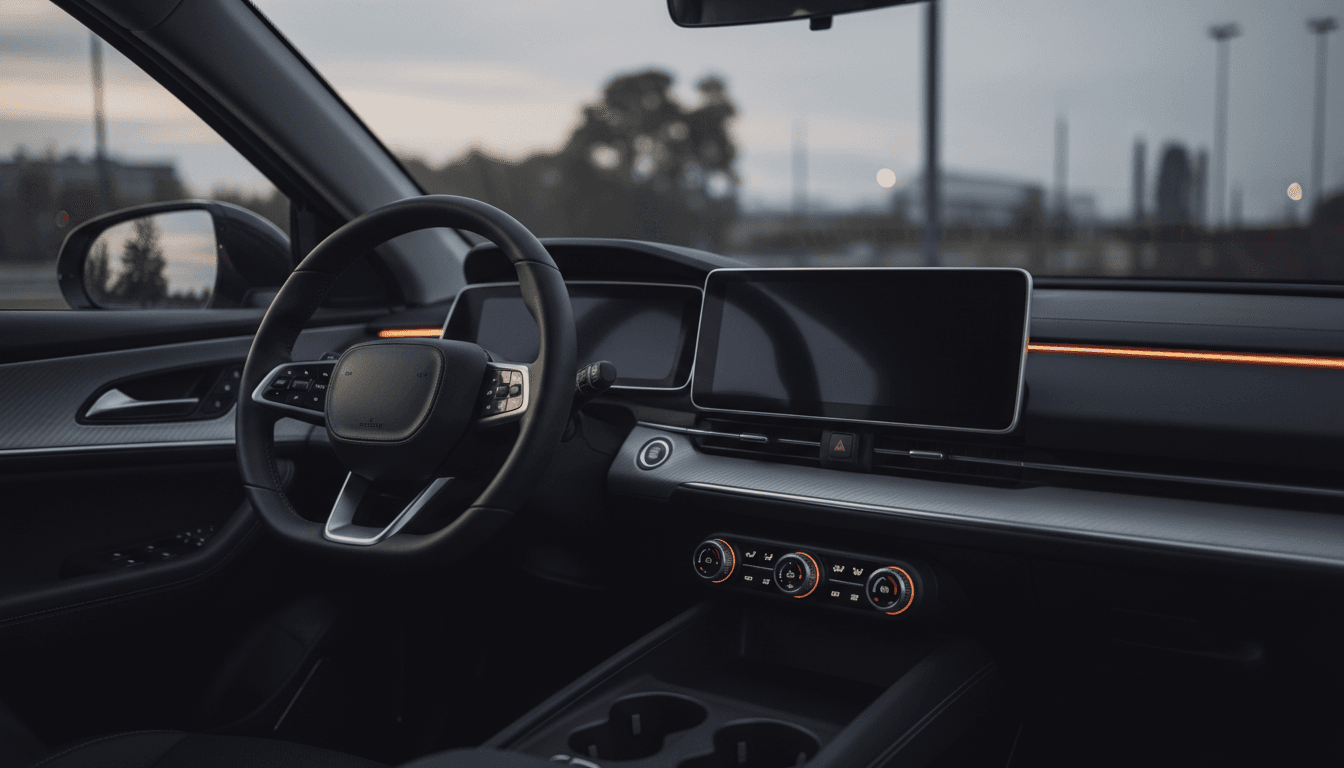
Used cars: physical buttons or touchscreen?
From January 2026 Euro NCAP penalises cars that hide indicators, the horn and hazard lights inside touch menus. What that means if you are buying a used car from the all-touch years, and what to check before you sign.
Buying a Used Car With a Black Box: 2026 Guide
Buying a used car that already has an insurance black box installed is not a problem, but it is not an automatic perk either: the discount and the driving history stay with the previous owner. What Italy's 2024 data-portability law actually changed, and what to do before and after the ownership transfer.