Car service: how often to do it and what it costs
Intervals, what it includes, real costs and warranty: everything you need to know about servicing to spend the right amount.
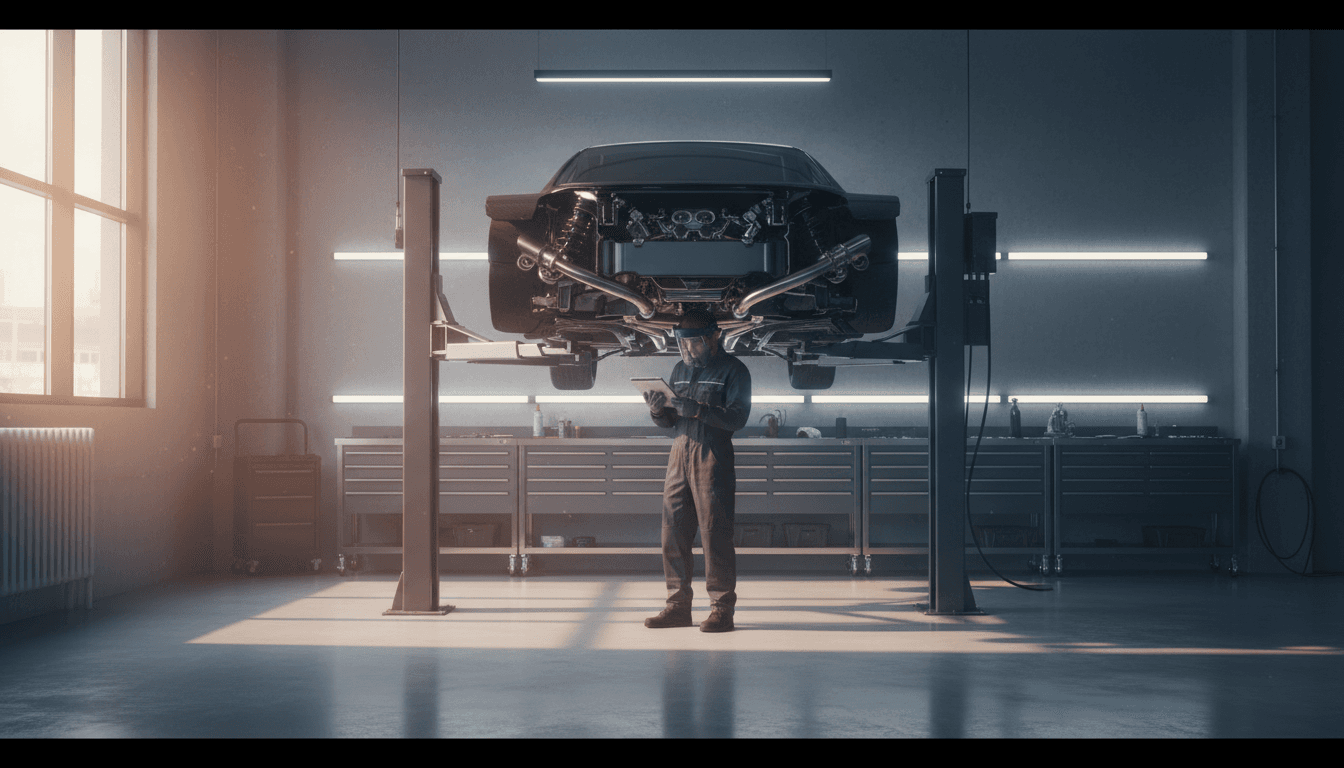
The service, or tagliando, is the scheduled maintenance that keeps a car healthy, safe and under warranty. Yet many drivers do not know exactly how often to do it, what it includes or how much it should cost. Let us clear it up, so you neither overpay nor risk avoidable breakdowns.
How often it is needed
The general rule is: at the mileage set by the maker or when the time elapses, whichever comes first. On most modern cars the interval is 15,000 to 30,000 km or every 12 months. The time part is often overlooked: even if you drive little, the oil and fluids still age, so a lightly used car still needs servicing once a year. The owner's manual states the exact interval for your model.
What a service includes
A routine service involves changing the engine oil and oil filter, checking and where needed replacing the filters (air, cabin, fuel), and a series of checks on brakes, tyres, suspension, lights, battery and fluid levels. At longer intervals come major items such as changing the brake fluid, the fuel filter or the timing belt — a substantial but crucial expense, since its failure can destroy the engine.
What it costs
The cost varies widely by model, type of service and workshop. For a routine service on a small car, expect roughly 150 to 300 euro; on premium or more complex diesel cars it easily climbs past 400 to 500 euro. Major services, those with the timing belt or brake fluid, can cost considerably more. Always ask for a written quote detailing parts and labour before leaving the car.
Official or independent workshop
You are not obliged to use the brand's official network to keep the warranty: thanks to European rules you can have the service done at any qualified workshop, provided it uses parts of equivalent quality and records the work correctly. A trusted independent workshop often costs less; the official one has brand-specific tools and diagnostics. On a car still under warranty, weigh both carefully.
Servicing and the warranty
To keep the maker's warranty valid you must meet the deadlines and keep proof of the work: invoices, stamps in the book or a digital record. Skipping a service or doing it very late can void the cover just when you need it. Always keep the documentation: it protects the warranty and raises the car's value at resale, because a complete history reassures the buyer.
How to save without risk
Save, yes; cut corners, no. Compare several quotes, ask for parts of equivalent quality instead of branded originals where sensible, and group the work so you do not pay for labour twice. But avoid deferring safety items such as brakes and tyres, or critical deadlines like the timing belt: there, today's saving can become tomorrow's enormous bill.
A service and a roadworthiness test are not the same
It is a common mix-up: the service is voluntary maintenance you choose to keep the car efficient, while the roadworthiness test is the legally required check of safety and emissions for road use. The test is first done four years after registration and then every two years, at authorised centres. They are two distinct things, with different deadlines and purposes: a car can pass the test while still needing a service, and vice versa. Keep both in your diary and do not confuse the deadline of one with the other.
And on electric and hybrid cars?
Electric and hybrid cars have their service too, but a simpler one: no engine-oil change on full EVs, less brake wear thanks to regenerative braking, but specific checks on the battery, cooling system, software and high-voltage system. It generally costs less than a service on an equivalent petrol car — one of the least-advertised advantages of going electric. Note, though, that this work needs trained staff and dedicated equipment, so make sure the workshop is qualified to work safely on high-voltage systems.
In short
The service is not a cost to endure but an investment in the car's safety and value. Respect the mileage and time intervals, insist on a clear quote, choose sensibly between official and independent workshops, and keep every document. That way you spend the right amount and reach resale with a car in order and a transparent history.
Further reading
Related articles

Winter Tires in Italy 2026: Dates and Fines
Italy's winter tyre law kicks in on 15 November 2026: dates, fines, the real difference between M+S and 3PMSF, and what to check on the tyres before buying or selling a used vehicle this season.
Diesel Particulate Filter: Warning Light and Cost
A lit DPF warning light is not a breakdown, it is an alert. Here is what cleaning, regeneration or replacement really costs, what to check before buying a used diesel, and why a removed filter costs far more than it seems to save, as inspection checks get stricter from 2026.