Buying a classic car: a beginner guide
Period car or registered classic, where to look, how to judge condition and originality, what road tax, testing and insurance really cost, and the mistakes to avoid on a first buy.
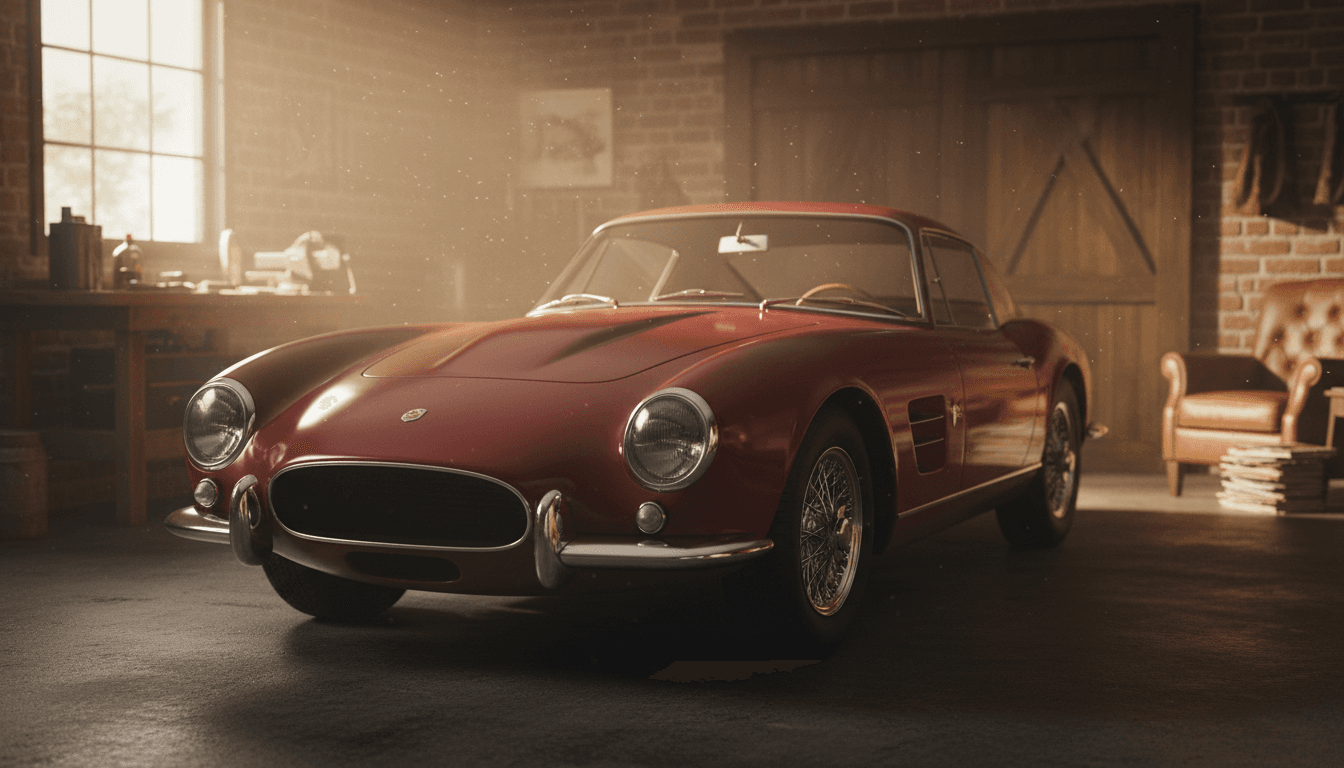
A classic car is not an appliance: it is a project, a hobby and often a small labour of love. The pull of driving something built half a century ago that can still stir you is real, but between the daydream and the first turn of the key sits a set of practical decisions worth understanding before you sign. This guide lines up what a first-time buyer actually needs: the difference between a period vehicle and a registered historic one, where to look, how to read a car's true condition, what it costs to keep on the road, and the traps almost every beginner falls into.
Auto d'epoca or auto storica? They are not the same thing
In Italy the two terms are used interchangeably, but the law draws a line. A veicolo d'epoca in the strict sense has been struck from the PRA vehicle register: it cannot circulate freely on public roads and exists only for collections, museums or authorised events. A veicolo di interesse storico e collezionistico — an auto storica — is instead enrolled in a recognised register (ASI, or the Fiat, Lancia and Alfa Romeo historic registers, and the FMI for motorcycles) and can be driven normally, with tax benefits tied to its age. In everyday speech everything becomes a classic, but as a buyer you want the second category: a car that is registered, plated and usable. The threshold that matters is 30 years from first registration, the point at which road tax, roadworthiness testing and insurance options all change.
Where to buy, and what to watch for
Each route has its trade-offs. Specialist fairs and the big classic-vehicle salons let you see dozens of examples in a single day and talk to clubs and traders face to face. Specialist dealers cost more but often hand you a car that has already been checked and documented. Marque registers and owners' clubs are a beginner's goldmine: cars with known histories, followed over years, and knowledgeable people willing to steer you right. Then there are private sellers and online listings, where prices can be keener but the risk is entirely yours. Whatever the channel, the rule holds: never buy on the first flush of love. Compare several examples of the same model and trim, and be wary of a price that looks too good, because in the classic world the perfect bargain often hides a restoration worth thousands. On general marketplaces such as VendiVoce you can get a feel for asking prices and contact sellers directly.
Judging condition and originality
On a modern car you look at the mileage; on a classic you look at the metal and the paperwork. The first enemy is rust: check the sills, the floors, the wheel arches and the areas around the windscreen and rear-window seals, where water sits and works. Surface rust can be treated; structural rot in the load-bearing panels can cost more than the car is worth. The second theme is originality: so-called matching numbers, the correspondence between chassis number, engine number and documents, weighs heavily on value, because in the past a worn engine was often swapped rather than rebuilt. Ask for the full file — logbook, proof of ownership, repair invoices, any certificates of authenticity — and learn to tell a genuine patina from a badly resprayed panel. The advice that saves the most money is also the least romantic: before you buy, have the car looked over by a specialist assessor or a mechanic who knows the model. An inspection costing a few hundred euro can spare you a hole worth several thousand.
Road tax, testing and insurance: the fixed costs
Here the car's age is decisive. Vehicles more than 30 years past their first registration are exempt from bollo, or road tax, across Italy, automatically and even without register enrolment; if they actually use the road, though, they owe a small flat annual circulation charge of a few tens of euro. Cars between 20 and 29 years old pay full road tax, but if enrolled in a historic register and carrying the Certificato di Rilevanza Storica (CRS) noted on the vehicle document, they can claim a 50% reduction where the region grants it — and note that some regions have trimmed or scrapped this middle-band relief. Roadworthiness testing, the revisione, falls due every two years for a vehicle registered as historic. Insurance is often the most tangible saving of all: classic policies cost far less than cover for a modern car and generally sit outside the bonus/malus system, but they typically require a policyholder of at least 23 (often 25 or 26, depending on the insurer), ASI or register membership, and a valid roadworthiness test.
Restoration and running costs
Restoration is the line item that blows up most budgets. It can run for months or years and cost anything from a few thousand euro to serious money, depending on the starting condition and how faithful you want to be to the original. Before you fall for a project, check parts availability: for a popular Fiat or Alfa you can find almost everything, while for a rare model even a headlamp can become a long and costly hunt. To the hard costs add routine maintenance, servicing at a workshop that understands vintage mechanicals, and storage. One benefit that is often overlooked concerns traffic bans: in many regions historic cars enrolled in the registers enjoy exemptions from anti-pollution limits and some restricted-traffic zones, but the rules differ from city to city, so always check the local ordinances before you count on that permission.
Storage: where and how
A classic spends far more time parked than moving, and the way you keep it decides its health. The ideal is a dry, ventilated garage, away from the damp that is the real cause of rust. Hook the battery up to a trickle charger so you never find it flat and never strain the electrics. If it stands for a long spell, run the tyres a little harder than usual or move the car occasionally to avoid flat spots. Watch the fuel too: modern petrol with ethanol ages poorly and can leave deposits, so for long lay-ups it is better to use a stabiliser additive and not leave the tank nearly empty. Small habits that stretch the car's life and cut the surprises when you set off again.
The classic beginner's mistakes
The missteps repeat themselves with dreary regularity. Buying on impulse the first example you see, with no comparison and no inspection. Underestimating rust, the hidden cost par excellence. Falling for a rare model and only later discovering that parts cannot be found. Trusting a price that is too low, which almost always hides work to be done. Ignoring the paperwork: without a clean logbook and proper ownership transfers, a bargain can turn into a bureaucratic nightmare. And finally forgetting that a classic is illiquid: selling it on takes time and the right buyer, so buy intending to keep it, not to flip it in a hurry.
The practical takeaway
Start with a common model that has easy parts supply and an active community: it is the best way to learn without ruining yourself. Budget for the fixed costs — road tax or the flat charge, the two-yearly test, a classic policy — and keep a reserve for mechanical surprises. Before you sign, insist on complete documents and an independent inspection, and negotiate from comparable examples, not the asking price alone. Choose a sound car with a transparent history, add patience, and a classic stops being a gamble and becomes what it should be: a pleasure you drive.
Further reading
- Bollo auto storiche, 30 anni e 20 anni: quanto si paga — Sicurauto
- Il bollo per le auto d'epoca e le auto storiche: le cose da sapere — alVolante
- Assicurazione auto storiche: come funziona — Quattroruote
- Automobile Club d'Italia - servizi e pratiche auto — ACI
- Auto d'epoca e storiche: normativa e guide — Automoto.it
Related articles
Classic Lancia Gamma: What It's Worth in 2026
Lancia has revived the Gamma name for a new 2026 SUV. But what is the original 1976-84 Gamma actually worth today? History, known flaws, real prices, and a pre-purchase checklist.
Buying a Classic Car in Italy: Tax, CRS & ZTL 2026
Before buying or selling a classic car or motorcycle in 2026, here is what the Certificate of Historic Relevance actually does, where a tax exemption still won't get you into a ZTL, and what you genuinely save on insurance.