Used Car: Diesel or Petrol? Which Pays Off in 2026
Since 2026 diesel costs more than petrol. Real maths at 8,000, 15,000 and 20,000 km a year, plus road tax, maintenance and traffic bans: when a used diesel still pays off.
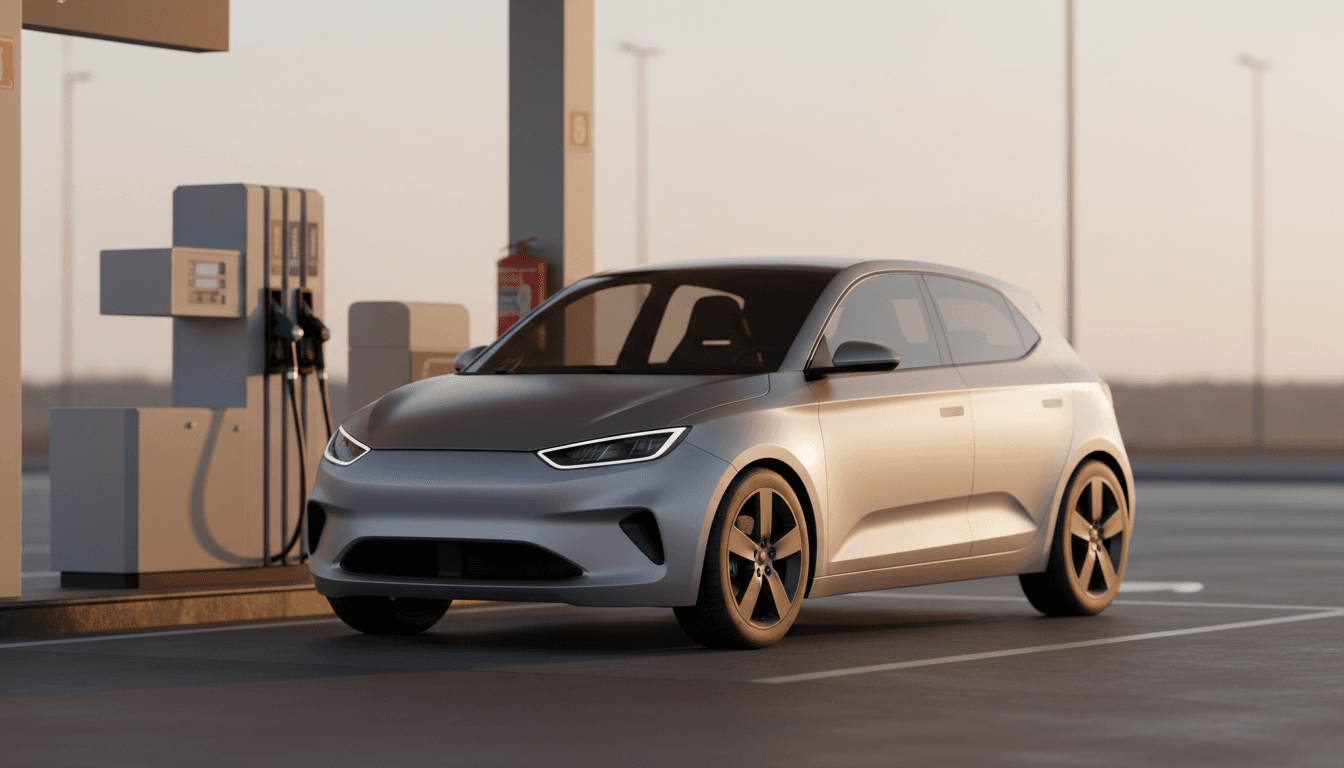
Shopping for a used car in Italy, you quickly hit the old question: diesel or petrol? Until a few years ago the answer was easy, because diesel was cheaper at the pump and high-mileage drivers saved money. That is no longer true. Since 2026 the excise duties on the two fuels have been aligned, and diesel now costs more than petrol [1][2]. This guide runs the numbers so you can decide based on your own kilometres, not habit.
What changed: diesel now costs more than petrol
According to the Italian ministry's fuel price observatory, as reported by Teleborsa, the average self-service price on 21 October 2026 was 2.026 euros per litre for petrol and 2.259 for diesel [3]. That is about 23 cents more per litre for diesel. On motorways the gap is similar: 2.045 versus 2.294 euros. The cause is fiscal: the Budget Law realigned the duties and removed diesel's historic advantage [2].
That does not make diesel obsolete. It means its edge now rests almost entirely on fuel economy: a diesel goes further per litre, and that saving has to outweigh a higher pump price.
Road tax does not decide it: the Euro class does
Many buyers assume diesel pays more road tax (bollo). In the national reference scale there is no fuel-type distinction: for Euro 4, 5 and 6 you pay 2.58 euros per kW up to 100 kW and 3.87 euros per kW above that [4]. A 90 kW car, petrol or diesel, therefore pays roughly 232 euros a year, before regional differences. Emilia-Romagna, for example, raised rates by 10% from 2026, taking Euro 6 to 2.84 euros per kW [4]. The practical rule: check the kW on the registration document, the Euro class and your region, then use the ACI simulator with the plate number for an exact figure.
The real maths: how far do you drive?
Take two comparable compacts with realistic consumption: a diesel at about 5.5 litres per 100 km and a petrol at about 7 litres per 100 km, at October 2026 average prices.
- 8,000 km a year: diesel 440 litres, about 994 euros; petrol 560 litres, about 1,135 euros. Diesel saves roughly 140 euros a year.
- 15,000 km a year: diesel 825 litres, about 1,864 euros; petrol 1,050 litres, about 2,127 euros. Saving: roughly 260 euros.
- 20,000 km a year: diesel 1,100 litres, about 2,485 euros; petrol 1,400 litres, about 2,836 euros. Saving: roughly 350 euros.
These are estimates, but the message is clear: even with pricier diesel the fuel saving survives, just far smaller than before. It must also be weighed against purchase price and repair risk. For the same model and age, a used diesel often costs a few hundred to a few thousand euros more. At 140 euros a year, repaying that premium takes a long time.
Maintenance and city use
Modern diesels carry delicate hardware: particulate filter, EGR valve, high-pressure injection and often AdBlue. On short urban trips the filter does not regenerate properly and can clog, leading to expensive repairs. That is why diesel makes most sense for people covering many extra-urban or motorway kilometres [1][5]. A petrol engine, especially a naturally aspirated or simple turbo unit, is usually more forgiving in town and cheaper to fix. Turbocharged direct-injection petrols still deserve scrutiny: ask for regular service records and oil history.
Traffic bans and resale value
Access to cities matters too. Euro 5 and older diesels are the ones hit hardest by winter restrictions in northern Italy, while petrols are generally less penalised [5]. If you live or work in a big Po Valley city, that affects future resale. The market is also moving to hybrids: UNRAE data for April 2026 put mild and full hybrids at 49.1% of registrations, petrol at 20.4% and diesel at 6.9% [1]. With new diesel that scarce, the supply of recent used diesels will thin in a few years and demand is uncertain.
How to choose: three profiles
- Under 10,000 km a year, city or mixed use: petrol, or a used hybrid. Diesel's saving does not cover the higher purchase price or the filter risk.
- Between 10,000 and 15,000 km, mixed routes: a toss-up. Judge the individual car: condition, service history, price. A good petrol beats a neglected diesel.
- Over 20,000 km a year, mostly motorway: a recent Euro 6 diesel keeps an edge, as long as your city does not restrict it.
What to check before you buy
- Euro class on the registration document: prefer Euro 6 where possible to avoid bans.
- For diesels: history of filter regenerations, warning lights, smoke, regular oil changes, condition of EGR and AdBlue.
- For turbo petrols: oil leaks, oil consumption, timing chain, service history.
- Mileage consistent with the car's condition: be wary of suspiciously low figures and verify with a vehicle history report.
- Yearly costs: road tax from the ACI simulator, insurance and stated consumption.
The takeaway
Before choosing, write down the kilometres you really drive in a year and multiply by the model's consumption at today's prices. If the yearly gap is under 200 euros, buy the best individual car whatever it burns. If it is above 300 euros and your city does not restrict diesel, a Euro 6 diesel can still pay off. On VendiVoce you can compare used-car listings of both fuel types and filter by mileage and year, but remember: the right price is the one that holds after you add fuel, road tax and maintenance.
Further reading
- Money.it, Diesel or petrol? The best choice for a used car according to the expert
- Motor1 Italia, What it will cost to run a car in 2026
- Teleborsa/Borsa Italiana, MIMIT average fuel prices of 21 October 2026
- Ayvens and Quotidiano Motori, Road tax 2026: calculation and rates
- Automobilista.it, Petrol or diesel after the excise reform
Further reading
- Diesel o benzina? Ecco la miglior scelta per un auto usata secondo l'esperto — Money.it
- Quanto costerà usare l'auto nel 2026? — Motor1 Italia
- Carburanti MIMIT: prezzo medio self benzina a 2,026 euro/litro, gasolio a 2,259 — Teleborsa
- Bollo auto 2026: calcolo, scadenze e chi è esente — Ayvens
- Benzina o diesel dopo la riforma delle accise: quale conviene davvero nel 2026 — Automobilista.it
Related articles
Km 0 car or used: which is better in 2026
Discounts from 10% to 35%, warranties that start on different dates, ownership transfer fees: how to compare a km 0 car with a recent used one and choose by budget, brand and ownership time.
Dacia Spring vs Leapmotor T03: Which to Buy in 2026?
Price, range, charging and equipment for Italy's two most searched low-cost EVs, compared point by point, with a look at what to expect once they reach the used market.