Petrol, diesel, hybrid or electric: which is best for you?
Petrol, diesel, hybrid and electric compared on purchase and running costs, ideal use, incentives, road tax, ZTL access, maintenance and resale — with a clear verdict on who should choose what.
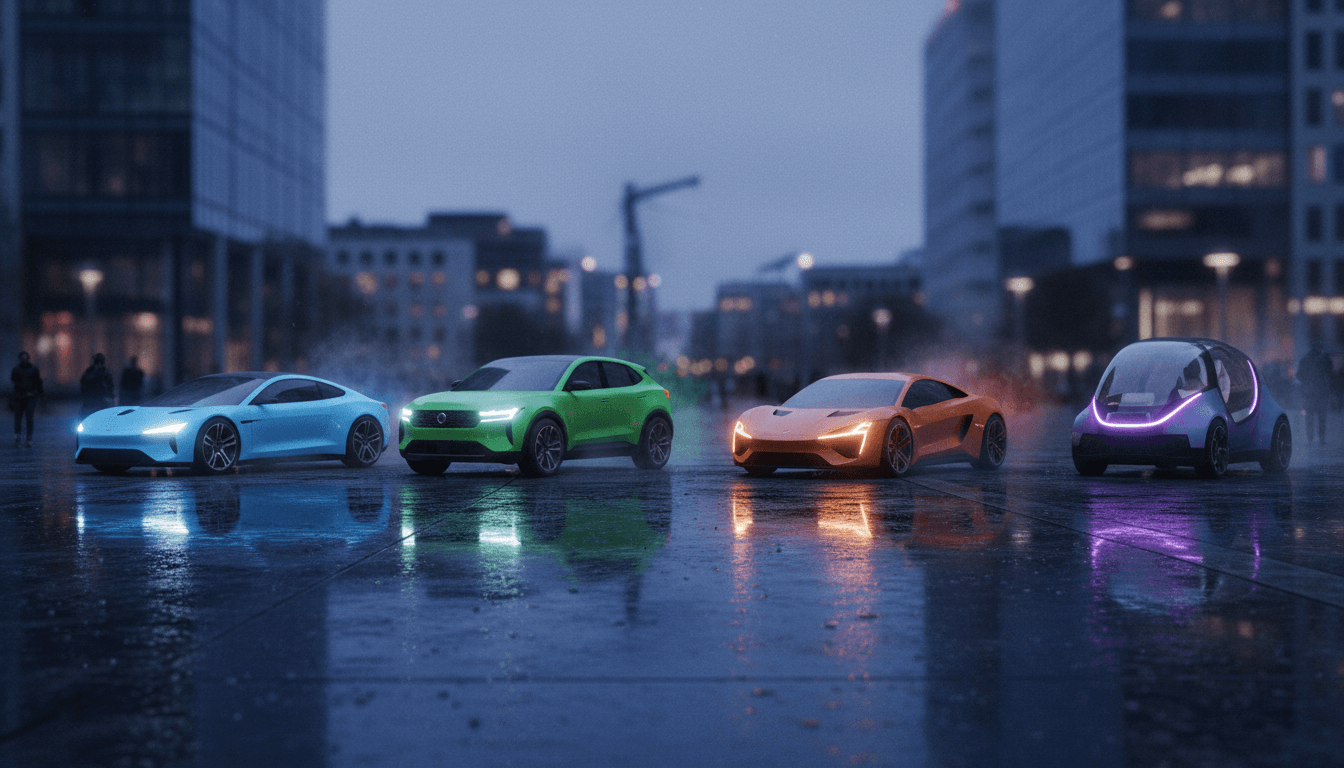
Buying a car today starts with one decision: how it is powered. Petrol, diesel, hybrid or electric are not just technical labels — they shape what you pay on the first day and what you will pay every year you keep the car. There is no single right answer. The cheapest powertrain to own depends on how many kilometres you cover, where you cover them, and how long you intend to keep the vehicle. This guide compares the four options on purchase price, running costs, real-world use, incentives, maintenance and resale, and ends with a clear who-suits-whom verdict.
The purchase price
For the same model and trim, petrol is almost always the cheapest to buy, new or used, and it offers the widest choice on the second-hand market. Diesel typically costs a few hundred euro more and today is found mainly on larger cars and high-mileage examples. A hybrid carries a premium that varies a lot: only a little for a mild hybrid, more for a full hybrid, and more again for a plug-in. Electric has the highest list price when new, but used values have fallen sharply in recent years, and Italian purchase incentives can narrow the initial gap considerably.
What you spend each year
This is where the gap widens or closes depending on use. On energy, a petrol car in town easily burns 6-7 litres per 100 km: at just under 1.90 euro a litre that is roughly 12 euro per 100 km. A modern diesel on the motorway drops to 4.5-5 litres, so 8-9 euro per 100 km, and it is still the most efficient over long distances. A full hybrid in the city can settle around 4 litres, often beating diesel exactly where diesel struggles. Electric is the cheapest if you charge at home: at 15-18 kWh per 100 km and a domestic tariff near 0.25 euro per kWh, that is 4-5 euro per 100 km. At rapid public chargers billing 0.60-0.80 euro per kWh, however, the cost can climb until it matches petrol. On top of that come road tax (bollo) and insurance, covered below.
City, motorway or long trips: use decides
The golden rule is simple: choose based on where you spend most of your time. If you live in a city and make lots of short journeys, electric and full hybrid are hard to beat, because they recover energy under braking and waste no fuel in traffic. Diesel, by contrast, dislikes the city: short trips never get the diesel particulate filter (FAP, or DPF) hot enough to clean itself, and it can clog. Drivers who rack up motorway kilometres still find diesel the most efficient companion, with the longest range per tank. Electric handles long trips well only if you plan your charging stops and the car has genuine, adequate range. For mixed driving, a hybrid is usually the best compromise.
Incentives, road tax and ZTL access
Incentives change often. The Italian state periodically refinances bonuses for low-emission and electric cars, usually with larger amounts for buyers who scrap an old vehicle and for those on a lower ISEE, the means-tested income indicator. Before you buy, always check the measures currently in force on the MIMIT ministry website, because funds and requirements shift from year to year. On road tax, electric cars enjoy a bollo exemption for the first five years from registration in most regions, then a reduced rate; combustion cars pay according to power (kW) and emissions class, with more powerful engines costing more. Access matters too: in many cities electric cars enter limited-traffic zones (ZTL) and paid areas free or at a discount, hybrids often get reductions, while older diesels (Euro 4 and Euro 5) face seasonal bans and tightening limits.
Maintenance and reliability over time
Fewer moving parts means fewer things to break. Electric is the simplest to maintain: no oil changes, no spark plugs, and brakes that last far longer thanks to regenerative braking; the sensitive item is the battery, but warranties generally run to 8 years or 160,000 km. A hybrid inherits many of these advantages, especially on brake wear. Petrol and diesel need the classic servicing: oil, filters, the timing belt where fitted, and the clutch. Diesel adds parts that can be expensive if neglected: the particulate filter, the EGR valve and, on recent cars, topping up AdBlue. Remember that the roadworthiness test (revisione) is due after the first four years and every two years after that, the same for every powertrain.
What it is worth when you sell
Residual value matters as much as the purchase price, because the difference between the two is what the car really cost you. Small petrol cars hold their value well and sell quickly. Diesel stays in demand among high-mileage drivers, though big-city restrictions are cooling that demand. Hybrids currently enjoy a lively used market and fast sales. Electric cars historically depreciated quickly, but values are stabilising; for a used EV, the battery state of health counts enormously, so have it certified whenever you can.
The verdict: who should choose what
If you live in the city, drive mostly short distances and can charge at home or at work, electric is the most cost-effective choice over the long run. If you drive in town but have nowhere to plug in, a full hybrid is the ideal compromise: frugal in traffic and free of the charging network. If you cover a lot of motorway kilometres — beyond 25,000-30,000 a year — diesel still makes sense for efficiency and range. If your budget is tight, your mileage is low or you want a second car, petrol remains the simplest and cheapest answer. A plug-in only pays off if you charge every day and split your time between city and longer trips. Whatever you choose, compare several listings of the same year and trim — you can get a feel for real prices on VendiVoce too — and weigh the total cost of ownership, not just the sticker.
Further reading
- Automobile Club d'Italia (ACI) — running costs, road tax and ownership transfer: https://www.aci.it/
- Ministero delle Imprese e del Made in Italy (MIMIT) — car incentives: https://www.mimit.gov.it/
- Quattroruote — road tests and powertrain comparisons: https://www.quattroruote.it/
- Motor1 Italia — hybrid and electric explainers: https://it.motor1.com/
- InsideEVs Italia — EV market and range coverage: https://insideevs.it/
Further reading
- Automobile Club d'Italia — costi di gestione, bollo e passaggio di proprietà — ACI
- Ministero delle Imprese e del Made in Italy — incentivi auto — MIMIT
- Quattroruote — prove e confronti tra motorizzazioni — Quattroruote
- Motor1 Italia — approfondimenti su ibrido ed elettrico — Motor1 Italia
- InsideEVs Italia — mercato e autonomia delle auto elettriche — InsideEVs Italia
Related articles
Dacia Spring vs Leapmotor T03: Which to Buy in 2026?
Price, range, charging and equipment for Italy's two most searched low-cost EVs, compared point by point, with a look at what to expect once they reach the used market.
Used Chinese Cars: Worth Buying in 2026?
Chinese brands are booming in new-car sales (+72% registrations in 2025) but stuck at just 3% of the used market. Here is what the data on resale value, warranty and reliability of MG, BYD, Omoda and Jaecoo really says before buying one secondhand.