Jeep Compass 4xe or Skoda Elroq 85x: Two Electric AWD SUVs, Two Opposite Philosophies
Both have just gained a dual-motor all-wheel-drive flagship, but the Compass 4xe is built for genuine off-roading while the Elroq 85x is built for everyday efficiency. Here is what really changes, prices included, and when a used AWD SUV makes more sense.
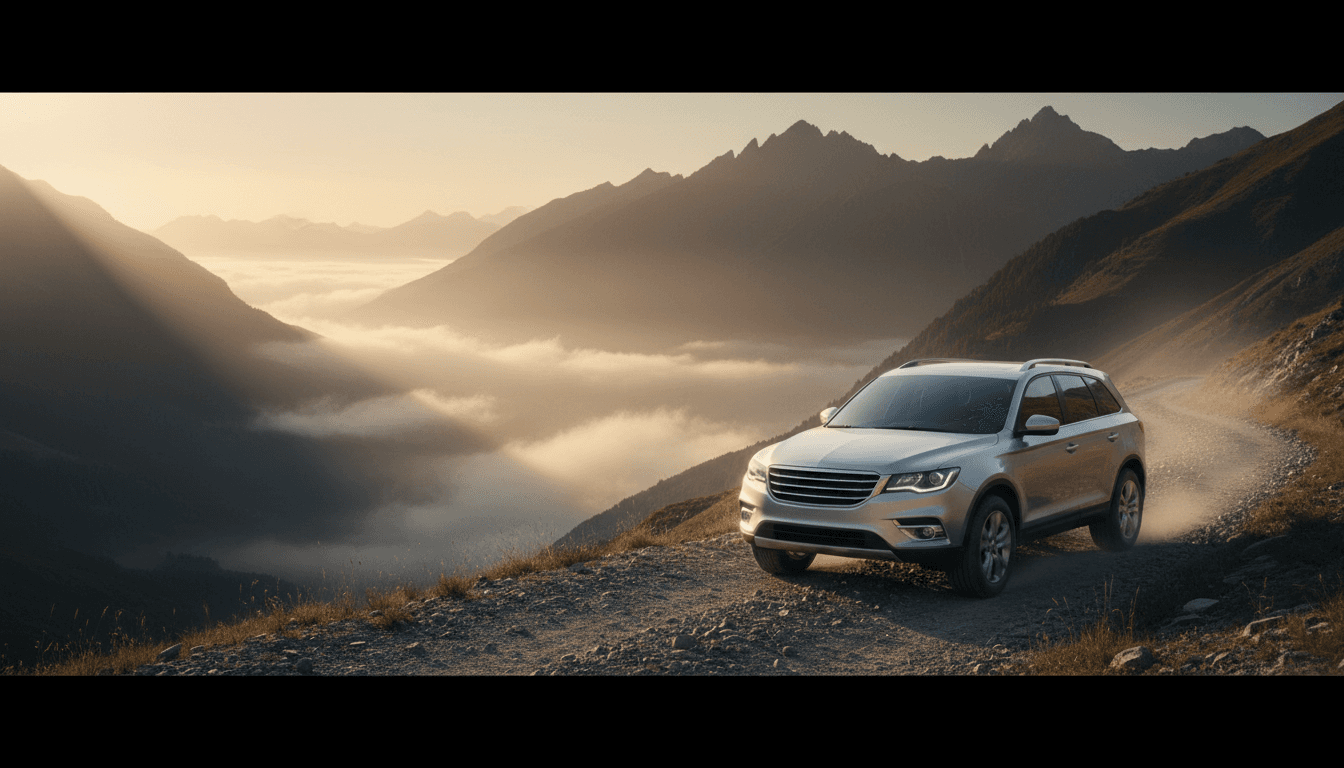
Two all-electric AWD SUVs, two very different philosophies
In 2026 the old Jeep-versus-Skoda rivalry, American off-roader against pragmatic Czech SUV, no longer tells the whole story. Both lineups have just gained an all-wheel-drive, dual-motor electric flagship: the Compass 4xe, which debuted at the Brussels Motor Show on 9 January 2026, and the Elroq 85x, added as part of the Model Year 2026 update announced back in September 2025. On paper they look like direct rivals chasing the same buyer. In practice they represent two opposite ideas of what electric all-wheel drive should be for, and understanding that difference matters more than the spec sheet before signing a finance contract, or before deciding to shop the used market instead.
Jeep Compass 4xe: the electric SUV built to actually leave the tarmac
The Compass 4xe is not a lightly electrified restyling. It is a genuine dual-motor SUV, 157 kW up front and 132 kW at the rear, for a combined 276 kW (375 hp) and a 0-100 km/h sprint of 4.6 seconds, a figure Jeep declares and that July 2026 road tests confirmed on real terrain. Its roughly 96 kWh battery delivers a claimed WLTP range beyond 600 km, an unusually high figure for an EV built around off-road ability. Approach and departure angles of 28 and 31 degrees, plus Hill Descent Control, make this the first Compass genuinely engineered to leave the asphalt rather than simply reassure a driver on a rainy motorway. Pricing starts at 54,900 euros, plus roughly 1,200 euros in delivery and setup costs, and the only two trims offered with this powertrain, Upland and Overland, start at 57,900 euros. It is, in effect, the most expensive and most specialised model in the whole Compass range.
Skoda Elroq 85x: all-wheel drive built to be forgotten
The Elroq takes the opposite approach. The 85x adds a second electric motor at the rear for a combined 210 kW (286 hp), paired with the same 77 kWh net battery already used in the rear-wheel-drive Elroq 85. The gap between the two versions sits mostly in the price: 46,300 euros for the 85x against 43,500 euros for the single-motor 85, roughly 2,800 euros to add the second drive axle. At low speed a dedicated Traction driving mode splits torque 50/50 between the axles to improve grip on snow, mud or wet surfaces, with no pretence of genuine off-road capability. The rest of the Elroq range, from the 34,500-euro entry-level 50 up to the 340 hp RS performance version, stays strictly rear-wheel drive: for now, the 85x is the only truly all-wheel-drive Elroq.
Not really an apples-to-apples comparison
It is worth being upfront about one thing: comparing only the two flagship AWD variants risks obscuring a bigger point, which is that all-wheel drive, on both lineups, has become a premium option rather than something buyers can take for granted. Alongside the 4xe, the Compass range also offers a front-wheel-drive mild-hybrid e-Hybrid from 40,900 euros, and a front-wheel-drive Plug-in Hybrid from roughly 44,900 euros, pairing a 1.6-litre turbo petrol engine with an electric unit fed by a 17.9 kWh battery for a combined 225 hp and a claimed electric-only range beyond 90 km. Anyone who simply wants an electrified compact SUV, without a genuine need for four driven wheels, has far more affordable options on both brands than their respective dual-motor flagships.
Range and charging: who actually wins on the road
On paper the Compass 4xe wins comfortably on claimed range, over 600 km versus roughly 500-530 km for the best-equipped Elroq 85x. That figure deserves context, though: the Compass carries a noticeably bigger battery and more weight, a byproduct of a rugged SUV built with off-road use in mind, and that tends to push real-world consumption up, especially on the motorway. Skoda's MEB platform, more mature and shared across several Volkswagen Group models, instead supports DC fast charging up to 175 kW on its larger battery packs, with a claimed 10 to 80 percent top-up in about 25 to 28 minutes, a competitive figure in the segment. For drivers who cover a lot of motorway miles and rely on fast charging on the road, that difference in philosophy is easy to feel.
What the choice actually costs
The price gap between the two AWD flagships is not cosmetic: nearly 9,000 euros separate the 46,300-euro Elroq 85x from the base 54,900-euro Compass 4xe, a gap that widens past 11,000 euros against the Compass Upland at 57,900 euros. For that difference, a Compass buyer is mainly paying for genuine off-road ability, guaranteed traction on tough terrain, and a brand positioning built around adventure. An Elroq 85x buyer, by contrast, is paying for extra grip mostly as a safety margin in low-traction conditions, inside a package built primarily for everyday road use, with generally lower running consumption and a more accessible starting price.
And if you never actually need to go off-road? A look at the used market
Before committing to either new AWD flagship, it is worth asking a simple question: how often does the car actually leave paved roads? If the honest answer is almost never, and all-wheel drive is really there for peace of mind on snow or wet mountain roads, the used market offers interesting, far cheaper alternatives. Conventionally powered AWD SUVs, from the previous-generation Compass to various four-wheel-drive Kodiaqs, Karoqs or Tiguans from the Volkswagen Group, remain thoroughly capable in those exact scenarios at a fraction of the price of a new Compass 4xe or Elroq 85x. They will not match the silent running or the instant torque of a dual electric motor setup, but for how most Italian drivers actually use their cars, a used all-wheel-drive model is often the more rational choice.
The verdict
The Compass 4xe and the Elroq 85x are not the same car wearing two different badges: they are two different answers to the same question, namely what electric all-wheel drive should actually be for in 2026. The Compass is built for drivers who genuinely go off-road and are willing to pay for it, with an outsized range and certified off-road credentials. The Elroq is built for drivers who simply want an extra margin of safety on slippery asphalt, without giving up efficiency or an accessible price. The right choice depends far less on the badge on the bonnet than on how, and where, the car will actually be driven, and for plenty of buyers, the smartest answer may be neither new flagship, but a good used all-wheel-drive model instead.
Further reading
- Quattroruote, Salone di Bruxelles - Jeep Compass, arrivano la plug-in e l'integrale 4xe, 9 January 2026
- Quattroruote, Jeep Compass 4xe: prova video in fuoristrada, prezzi e dati tecnici, 15 July 2026
- Il Fatto Quotidiano, Jeep Compass 4xe, la prova del suv elettrico 4x4, 15 July 2026
- Motor1 Italy, La Skoda Elroq si aggiorna per il 2026, 12 September 2025
- HDmotori, Skoda Elroq 2026, la gamma si amplia: novità e prezzi in Italia, 12 September 2025
- Quattroruote, Skoda Elroq - A listino la versione 60: batteria da 63 kWh e 428 km di autonomia, 9 January 2025
Further reading
- Salone di Bruxelles - Jeep Compass, arrivano la plug-in e l'integrale 4xe — Quattroruote
- Jeep Compass 4xe: prova video in fuoristrada, prezzi e dati tecnici — Quattroruote
- Jeep Compass 4xe, la prova del suv elettrico 4x4 — Il Fatto Quotidiano
- La Skoda Elroq si aggiorna per il 2026 — Motor1 Italia
- Skoda Elroq 2026, la gamma si amplia: novita' e prezzi in Italia — HDmotori
- Skoda Elroq - A listino la versione 60: batteria da 63 kWh e 428 km di autonomia — Quattroruote
Related articles
Dacia Spring vs Leapmotor T03: Which to Buy in 2026?
Price, range, charging and equipment for Italy's two most searched low-cost EVs, compared point by point, with a look at what to expect once they reach the used market.
Used Chinese Cars: Worth Buying in 2026?
Chinese brands are booming in new-car sales (+72% registrations in 2025) but stuck at just 3% of the used market. Here is what the data on resale value, warranty and reliability of MG, BYD, Omoda and Jaecoo really says before buying one secondhand.