Chinese electric cars in 2026: are they really worth it?
BYD, MG, Leapmotor and the rest: models, prices, safety and unknowns of Chinese electric cars on the Italian market.
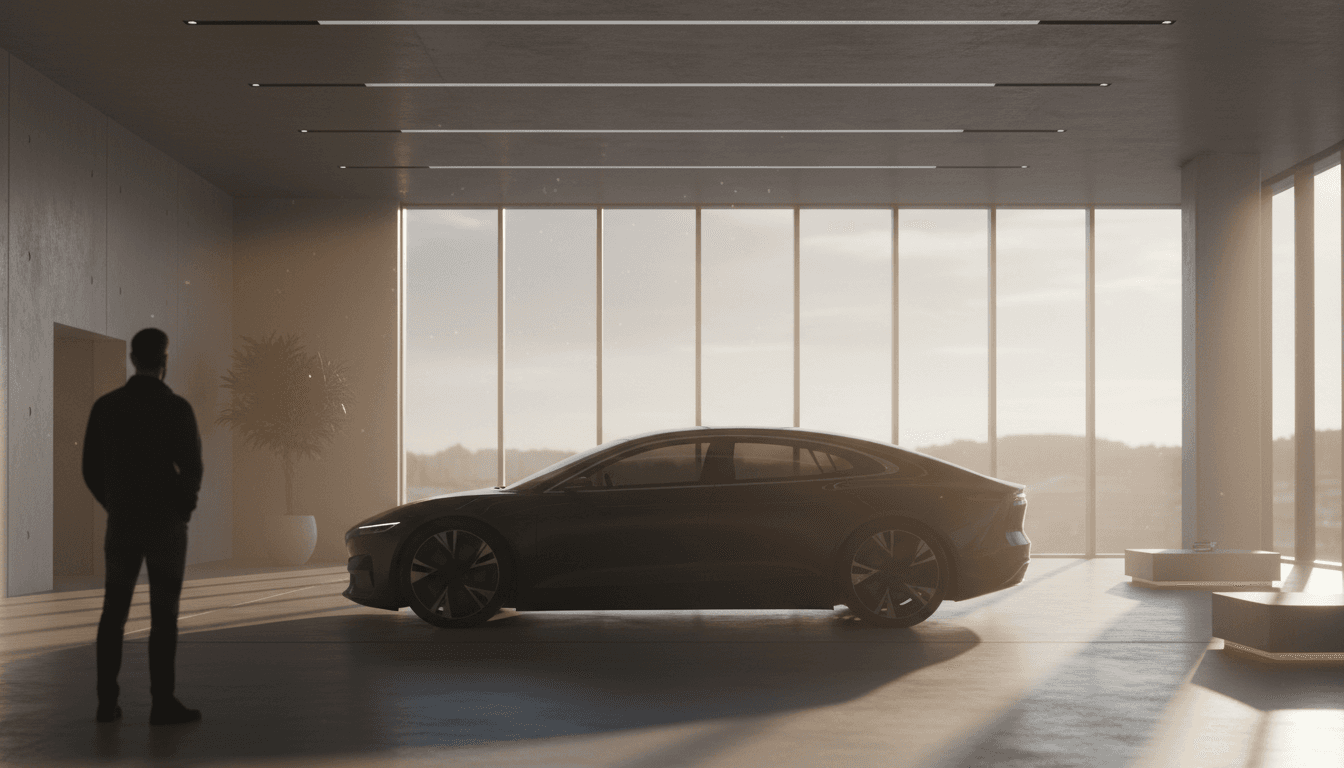
Until a few years ago they were a curiosity; today Chinese electric cars are a concrete presence on Italian roads, with over fifty models on sale and prices starting under 20,000 euro. But is it really worth buying one? Here is what they offer, how much they cost and the unknowns to weigh.
Who the Chinese brands in Italy are
The most common names are BYD and MG, followed by Leapmotor, Omoda, Jaecoo and Xpeng. MG, a British-sounding but Chinese-owned brand, has already captured around a 3% market share in Italy, while BYD, the giant that challenges Tesla for the global lead, sits around 2%. Some of these brands arrive through European groups: Leapmotor, for example, is distributed via an alliance with Stellantis, which eases the sales and service network.
What they really cost
Price is the main weapon. The Leapmotor T03, a small city car, starts around 18,900 euro, among the cheapest EVs of all. Moving up a class you find the BYD Atto 2 from about 29,900 euro, the MG4 from about 31,790 euro and the Leapmotor B10 from about 29,900 euro. At the top sit models such as the BYD Atto 3 and the Xpeng G6, above 38,000 euro. On average, for the same size and equipment, prices come in up to 30% below European rivals.
Quality and safety: the leap of recent years
The prejudice about poor Chinese build quality is now outdated. Many BYD, MG, Xpeng and Leapmotor models have earned five stars in Euro NCAP safety tests, the same standard applied to European cars. Interiors are often rich in technology, with large touchscreens and generous standard equipment, better than many rivals at the same price. The difference shows more in the tuning of suspension and driver-assistance systems, where some European brands remain a step ahead.
Range, technology and warranty
On batteries the Chinese are often at the cutting edge: BYD in particular makes its own cells in-house and boasts mature technology. Quoted ranges are in line with the market, and rapid charging is competitive. A strong point is the warranty, generally long and including extended battery cover — reassuring for anyone wary of an unfamiliar brand.
The weak points and unknowns
Some shadows remain, to be weighed honestly. Used residual value is still an unknown: young, little-known brands tend to depreciate faster, though the picture is improving. The service network, while growing, is less widespread than that of the established brands, so it is worth checking there is a reachable centre near you. Finally, the evolution of European tariffs on Chinese imports could affect future list prices. There is also the question of software and data: as with any modern connected car, it is worth understanding what information the vehicle collects and how updates are managed over its life. None of these unknowns is a dealbreaker on its own, but together they explain why it pays to buy with the same care you would give any major purchase.
Is it worth buying one?
For anyone after a lot of electric car for the least money, living near a service point, a Chinese EV can be an excellent deal: rich equipment, certified safety and a long warranty at figures European brands struggle to match. Those who place great weight on resale value or live far from the service network would do well to do a little more sums before deciding.
Sales and service network
One of the things that held back Chinese-car purchases the longest is the service network, but that is changing fast. Brands are opening dealers and authorised workshops in the main Italian cities, and those arriving through European groups tap into already-established, widespread networks. It remains a factor to verify yourself: before buying, check where the nearest service centre is, what turnaround it guarantees for parts and whether it offers a courtesy car. On a model that is still uncommon, parts availability can affect repair times more than the quality of the car itself. Another element to weigh is brand continuity: choosing a maker with a solid industrial plan in Europe reduces the risk of ending up, a few years on, with a car orphaned of support.
In short
Chinese electric cars in 2026 are no longer a gamble but a concrete and often cost-effective choice, with aggressive pricing, certified safety and generous equipment. The unknowns are resale value, the service network and tariffs: weigh them against your own profile, and you may find the deal is genuinely there.
Further reading
Related articles
Itala 56: Italy's China-Built SUV, Price and Red Flags
At the Turin Motor Show 2026, the Itala 56 debuts: a euro49,000 coupe-SUV reviving a historic Turin badge on a Chinese platform, built by DR Automobiles. What to check on origin, a past antitrust fine, and resale value before you sign.
The Lamborghini Temerario Joins Italy's Police Fleet: What It Means for the Used Exotic Car Market
On September 4, 2026, Italy's State Police received its first hybrid Lamborghini Temerario, a 920-hp supercar. We trace twenty years of Lamborghinis in uniform and explain why stories like this keep Italy's used exotic-car market alive, from the Gallardo to the Huracan.