Audi Q9 Lands in Italy: The Full-Size Luxury SUV Battle Is Now a Three-Way Fight
With the Q9 unveiled on 29 July, Audi is openly challenging the Mercedes GLS and BMW X7 in the full-size, seven-seat luxury SUV segment above 115,000 euros. Heres what it means for new-car shoppers, and why used GLS and X7 prices could soften sooner than expected.
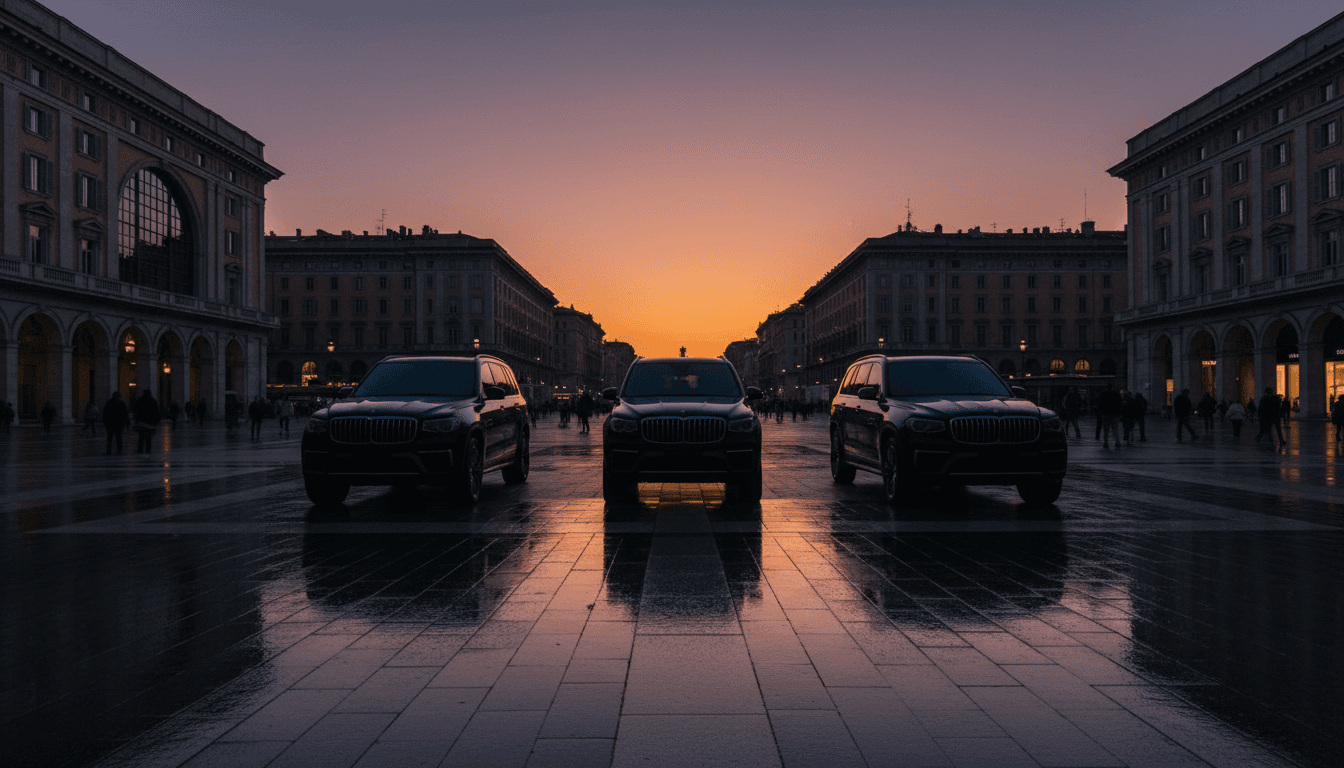
A serious third rival enters the most exclusive segment
Until a few weeks ago, anyone shopping for a full-size, seven-seat luxury SUV from a German brand really had two options: the Mercedes-Benz GLS or the BMW X7. That changed at the end of July 2026, when Audi officially unveiled the Q9 on 29 July — the largest and most expensive SUV the Ingolstadt brand has ever built, designed explicitly to take on both established rivals [1][2]. It is Audi's first dedicated entry into this segment, and the brand isn't pricing it like an underdog: Italian prices start at 116,900 euros for the 245-horsepower 3.0 TDI and rise to 119,600 euros for the 299-horsepower version, with Italian showrooms expecting deliveries in the fourth quarter of 2026 [2].
The timing is no coincidence. Mercedes refreshed the GLE, GLE Coupé and GLS earlier this year, opening Italian orders on 29 May 2026, with the GLS starting at 115,323 euros [3]. BMW, meanwhile, updated its X7 (G07 generation) price list on 28 January 2026, effective for deliveries from 1 April, with prices ranging from 115,100 euros for the xDrive40d up to 142,500 euros for the M60i M Sport Pro [5]. The upshot: for the first time, all three German luxury heavyweights now field a full-size flagship SUV starting above 115,000 euros, all within a few months of one another.
The numbers that matter: size compared
The Q9 doesn't arrive quietly. At 5.31 metres long, it is longer than the GLS and stands as the largest of the trio, a claim Audi is happy to make explicit [1][6]. The GLS, for its part, gained six centimetres of wheelbase over the outgoing generation, now measuring 3.13 metres on a 5.21-metre-long body, a stretch aimed mainly at third-row space and van-like load capacity with the rear seats folded [4]. The X7 is the most compact of the three on paper, but it also spans the widest performance range, from mild-hybrid diesel all the way to the 500-plus-horsepower M60i [5].
All three offer six- or seven-seat layouts, which tells you the target buyer — large families, executive transport, a second home in the mountains — hasn't really changed across brands, even if each maker leans on a different strength: Audi on outright space, Mercedes on ride comfort, BMW on engine variety.
Engines and performance: who pushes hardest
Mechanically, Audi kept things simple for its European launch: a single 3.0-litre V6 TDI mild-hybrid family, offered in two states of tune, 245 and 299 horsepower [2]. It's a conservative choice that fits an Italian market where diesel remains the default for large, high-mileage SUVs. Whether — and when — a sportier SQ9 reaches Europe is still unclear: international reports point to a twin-turbo V8 producing well over 400 kW for the US market, but nothing has been confirmed for Italy [6].
Mercedes and BMW, by contrast, already offer broader lineups. The GLS sticks to electrified six-cylinder engines across the range [4], while the X7 spans everything from the mild-hybrid 40d to the M60i, comfortably north of 500 horsepower, with outputs ranging from 352 to 530 horsepower depending on trim [5]. For anyone shopping used today, engine choice remains a huge factor in running costs: an X7 M60i or a future high-performance Q9 or GLS variant carries very different road tax and fuel consumption than the entry-level diesel versions.
Cabin technology: where the real gap shows
The mechanical differences between the three are relatively modest; the technology gap is not. The Q9 debuts with a cabin dominated by three screens — an 11.9-inch digital cluster, a curved 14.5-inch central display and a 12.3-inch passenger screen — plus a head-up display, dual wireless charging, a Bang & Olufsen sound system and standard ChatGPT integration [1]. The GLS answers with the new MB.OS operating system and the MBUX Superscreen, now standard rather than optional [4]. The X7, solid as it remains, arrives from a price-list update rather than a technological overhaul, and on this front it currently looks a step behind its two newer rivals [5].
What it means if you're shopping (or selling) a used luxury SUV
For the vast majority of Italian buyers, a car starting above 115,000 euros stays out of reach new, regardless of badge. But a strong third entrant landing in such a narrow segment has a very practical, well-documented effect on the used market: when the new-car lineup widens and refreshes, prices on the outgoing generations — the pre-restyling GLS, the X7 built to the pre-28-January price list — tend to soften faster in the following months, as dealers clear showroom space and private sellers adjust their asking prices to the new benchmark that just landed.
If you're after a seven-seat luxury SUV without paying new-car money, the practical move is to watch exactly those outgoing GLS and X7 versions over the coming months. These are mechanically mature cars, often still under residual manufacturer warranty, and headed for a price reset precisely because of the competitive pressure the Q9 is applying from above. It's a pattern that repeats every time the premium segment gains a serious new player, and it's one reason it's worth setting a search alert on a marketplace like VendiVoce even for models that still look too expensive today — reference prices in this segment move faster than most buyers expect.
The practical verdict
None of the three SUVs wins outright on every front. The Q9 leads on size and launch-day tech, the GLS remains the benchmark for ride comfort and perceived interior quality, and the X7 offers the widest engine range, from efficient diesel to the high-performance M60i. For new-car buyers, the choice now comes down to trim, technology and a trusted service network rather than any clear category winner. For used-car shoppers, the more interesting story isn't which of the three wins — it's how quickly three-way competition pushes prices on the outgoing versions down over the next 12 to 18 months.
Sources
[1] M3 Motorcube — Audi Q9 2026: prezzo, caratteristiche, motori — 29 July 2026 [2] Virgilio Motori — Audi Q9, la nuova ammiraglia SUV è pronta per l'Italia con caratteristiche e prezzi al top — 29 July 2026 [3] ANSA — Mercedes rinnova GLE, GLE Coupé e GLS: ordini al via da 89.714 euro — 29 May 2026 [4] NewsAuto.it — Mercedes GLS 2026: restyling, motori, caratteristiche e prezzi — 29 May 2026 [5] BMW Group PressClub Italia — Listino prezzi della BMW X7 (G07), valido dal 28.01.2026 — 28 January 2026 [6] CarBuzz — Official: 2027 Audi SQ9 Outguns The Mercedes-AMG GLS 63 For A Fraction Of The Price — 29 July 2026
Further reading
- Audi Q9 2026: prezzo, caratteristiche, motori — M3 Motorcube
- Audi Q9, la nuova ammiraglia SUV e pronta per l'Italia con caratteristiche e prezzi al top — Virgilio Motori
- Mercedes rinnova GLE, GLE Coupe e GLS: ordini al via da 89.714 euro — ANSA
- Mercedes GLS 2026: restyling, motori, caratteristiche e prezzi — NewsAuto.it
- Listino prezzi della BMW X7 (G07), valido dal 28.01.2026, per la produzione dal 01.04.2026 — BMW Group PressClub Italia
- Official: 2027 Audi SQ9 Outguns The Mercedes-AMG GLS 63 For A Fraction Of The Price — CarBuzz
Related articles
Dacia Spring vs Leapmotor T03: Which to Buy in 2026?
Price, range, charging and equipment for Italy's two most searched low-cost EVs, compared point by point, with a look at what to expect once they reach the used market.
Used Chinese Cars: Worth Buying in 2026?
Chinese brands are booming in new-car sales (+72% registrations in 2025) but stuck at just 3% of the used market. Here is what the data on resale value, warranty and reliability of MG, BYD, Omoda and Jaecoo really says before buying one secondhand.